Chronic disc pain can be a stubborn and disruptive issue, affecting people’s ability to work, move comfortably, or simply enjoy daily life. For many in the area, traditional options like medication or surgery are not always appealing or effective. This is why more individuals are exploring Spinal Decompression Therapy West Des Moines IA as a non-invasive, drug-free alternative for managing ongoing disc discomfort. Whether you’re a small business owner striving to stay productive, a developer spending long hours at a desk, or a resident looking for better mobility, understanding the potential of spinal decompression could be the first step toward lasting relief. In this article, we’ll take a deep dive into why this therapy is gaining traction, how it works, and what you should know before considering it for your own disc pain journey.
Understanding Chronic Disc Pain and Its Impact
Chronic disc pain often develops from wear and tear, injuries, or repetitive strain, leading to discomfort that can linger for months or even years. Discs act as cushions between the vertebrae, and when they become damaged or degenerate, they can press on nerves and cause persistent pain, numbness, or tingling. This kind of pain doesn’t just affect the back, it can radiate into the legs or arms, making everyday activities challenging. For many, the impact goes beyond physical discomfort, influencing productivity at work, mood, and overall quality of life. Seeking effective and sustainable relief becomes a priority, especially when pain interferes with professional responsibilities or personal goals. That’s where options like Complete Wellness Chiropractic come into the conversation, offering new hope for those struggling with ongoing disc issues.
What Sets Spinal Decompression Therapy Apart?
Unlike many conventional treatments that focus on masking symptoms, spinal decompression therapy aims to address the root cause of disc pain by gently stretching the spine. This process creates negative pressure within the discs, encouraging retraction of bulging or herniated material and promoting the flow of nutrients for healing. The therapy is non-surgical and typically involves a series of sessions on a specialized table, making it an appealing choice for those seeking to avoid invasive procedures. Many patients appreciate that sessions are comfortable and require no downtime, allowing them to return to work or daily routines quickly. For individuals in the region who have tried other approaches with limited success, Spinal Decompression Therapy West Des Moines IA offers a promising alternative grounded in both science and patient experience.
Who Is a Good Candidate for Spinal Decompression?
Not everyone with back pain will benefit from spinal decompression, but it can be especially effective for those with disc-related issues such as herniated, bulging, or degenerative discs. Candidates often include people who have not found relief through physical therapy, medications, or other conservative treatments. It’s also suitable for individuals who wish to avoid surgery or are not ideal surgical candidates due to age, health, or personal preference. A thorough evaluation by a qualified provider is essential to determine if this therapy is appropriate, as certain conditions, like advanced osteoporosis or spinal fractures, may require different care. Consulting with a Chiropractor in West Des Moines, IA can help clarify whether spinal decompression fits your specific needs and health goals.
Common Myths and Misconceptions About Spinal Decompression
Spinal decompression therapy is sometimes misunderstood, leading to hesitation or skepticism among those who might benefit. One common myth is that it’s simply a modern version of traction, but in reality, decompression uses advanced technology to precisely control the force and angle of pull, targeting specific discs. Another misconception is that the therapy is painful or risky. In fact, most patients describe the sessions as relaxing, with minimal discomfort. Some also believe results are instant, but while some relief may be felt quickly, optimal outcomes usually require a series of treatments. It’s important to separate fact from fiction and rely on reputable sources for information. For those with questions about related symptoms, such as headaches or jaw tension, resources like When Should You See a Chiropractor for Headaches and Jaw Tension? can provide additional clarity.
The Role of Workplace Habits in Disc Pain
For many professionals, especially small business owners and developers, work habits play a significant role in the development and persistence of disc pain. Poor posture at a desk, repetitive lifting, or prolonged sitting can place extra stress on spinal discs, increasing the risk of injury or degeneration. Understanding how daily routines contribute to discomfort is crucial for both prevention and recovery. Implementing ergonomic adjustments, taking regular breaks, and practicing safe lifting techniques can make a noticeable difference. For insights into how occupational behaviors affect spinal health, especially in the local workforce, see How Workplace Lifting Habits Affect Low Back Health in West Des Moines. Addressing these factors alongside therapeutic interventions can enhance the effectiveness of spinal decompression and support long-term wellness.
How Spinal Decompression Sessions Are Structured
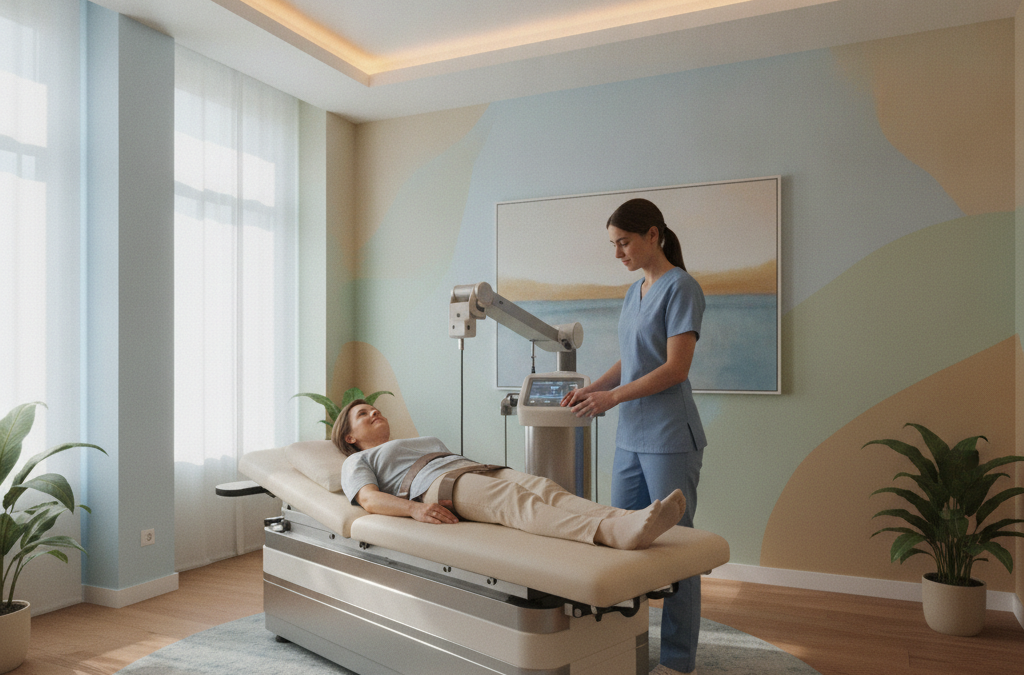
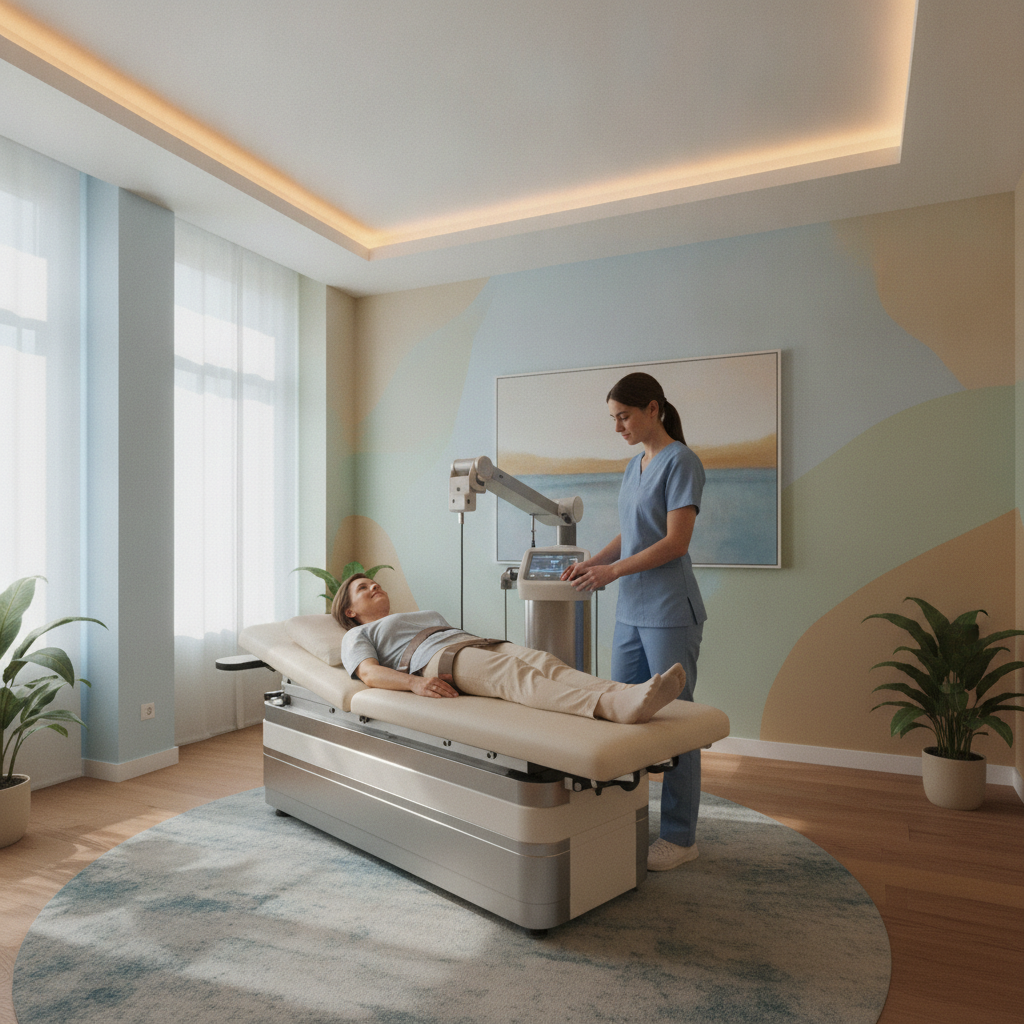
Spinal decompression therapy typically follows a structured protocol tailored to the individual’s condition and response to treatment. Sessions often last between 20 and 45 minutes, during which the patient lies comfortably on a motorized table. The device is programmed to apply gentle, cyclical traction to the spine, targeting the affected disc levels. Most treatment plans involve multiple sessions per week over several weeks, with progress monitored regularly. The process is non-invasive and does not require anesthesia or incisions. Many patients report a sense of relaxation during therapy, and some even fall asleep. Providers may adjust the protocol based on feedback and improvement, ensuring the approach remains both safe and effective. Combining decompression with other supportive therapies, such as stretching or strengthening exercises, can further enhance outcomes and help patients return to their routines with greater comfort.
Comparing Spinal Decompression With Other Disc Pain Treatments
When considering options for chronic disc pain, it’s helpful to compare spinal decompression therapy with other common treatments. While medications can provide temporary relief, they often come with side effects and do not address the underlying issue. Physical therapy focuses on mobility and strength but may not always resolve disc compression. Surgery is more invasive, carries risks, and requires significant recovery time. In contrast, spinal decompression is non-surgical, drug-free, and designed to promote natural healing within the disc. Patients who have tried multiple approaches without lasting success often find decompression to be a welcome alternative. The decision ultimately depends on individual circumstances, preferences, and medical advice. Understanding the pros and cons of each method can empower patients to make informed choices that align with their health goals and lifestyle needs.
Table: Key Differences Between Disc Pain Treatments
| Treatment | Invasiveness | Recovery Time | Addresses Root Cause? | Typical Side Effects |
|---|---|---|---|---|
| Spinal Decompression | Non-invasive | None to minimal | Yes | Rare, mild soreness |
| Physical Therapy | Non-invasive | None | Sometimes | Temporary discomfort |
| Medication | Non-invasive | None | No | Drowsiness, GI upset |
| Surgery | Invasive | Weeks to months | Yes | Infection, complications |
Patient Experiences and What to Expect
Hearing from others who have tried spinal decompression can provide valuable perspective for those considering this therapy. Many patients report a gradual reduction in pain and improved mobility over the course of their treatment plan. Some notice benefits after just a few sessions, while others see more gradual progress. It’s important to have realistic expectations, results vary based on the severity of disc damage, overall health, and adherence to recommended care. Most people appreciate the gentle, non-invasive nature of the therapy and the ability to remain active throughout the process. Open communication with your provider helps ensure that the plan is adjusted as needed for maximum benefit. For best results, patients are encouraged to follow through with all recommended sessions and any complementary exercises or lifestyle adjustments suggested by their care team.
Integrating Spinal Decompression Into a Broader Wellness Plan
While spinal decompression can be a powerful tool for managing disc pain, it is most effective when combined with a holistic approach to spine health. This might include regular physical activity, targeted exercises to strengthen core muscles, ergonomic improvements at work, and mindful posture habits. Nutrition, hydration, and stress management also play a role in supporting disc recovery and preventing future issues. Many providers work with patients to create a customized wellness plan that addresses both immediate pain and long-term resilience. By viewing spinal decompression as one part of a comprehensive strategy, individuals can maximize their chances of lasting relief and improved quality of life. Collaboration between the patient and provider is key, ensuring that all aspects of health are considered and addressed.
Cost Considerations and Insurance Questions
One of the practical aspects to consider when exploring spinal decompression is the cost. Prices can vary based on the provider, the number of sessions required, and whether additional therapies are included in the treatment plan. Some insurance plans may cover part or all of the expense, particularly if the therapy is deemed medically necessary. It’s important to check with your insurance provider and the clinic’s billing department to clarify coverage and out-of-pocket expectations. Many clinics offer payment plans or package pricing to make care more accessible. Investing in non-invasive therapies like spinal decompression can be a cost-effective alternative to surgery or long-term medication use, especially when considering the potential for improved function and reduced downtime. Being proactive about financial questions helps ensure a smooth experience from start to finish.
Final Thoughts
Chronic disc pain doesn’t have to dictate your daily life or limit your ambitions. Spinal decompression therapy has emerged as a practical, non-invasive option for those seeking relief without surgery or heavy reliance on medication. By understanding the science behind the therapy, knowing who it benefits, and setting realistic expectations, patients can make informed decisions about their care. Integrating spinal decompression with healthy workplace habits, regular movement, and a comprehensive wellness plan can lead to better outcomes and a more active, comfortable lifestyle. If you’re considering this approach, consult with a trusted provider in the community to discuss your unique situation and explore whether spinal decompression is the right fit for your journey to better spine health.