Low back pain is one of the most common reasons people seek out a Chiropractor for Back Pain West Des Moines IA, and workplace lifting habits play a significant role in this issue. Whether you’re running a small business, working at a desk, or managing a warehouse, the way you lift, carry, and move objects can have a lasting effect on your spinal health. Many people don’t realize that even light, repetitive lifting or improper posture during routine tasks can contribute to chronic discomfort or sudden injury. In this article, we’ll explore how daily workplace lifting habits impact low back health, why prevention matters, and what you can do to protect yourself and your team. By understanding the risks and adopting smarter strategies, you can help create a healthier, more productive environment for everyone in the area.
Why Workplace Lifting Habits Matter
Every day, employees in a wide range of industries perform lifting tasks that put strain on their lower backs. Even seemingly harmless actions, like picking up a box of printer paper or moving a chair, can lead to micro-injuries if done incorrectly. Over time, these small stresses accumulate, resulting in persistent aches, stiffness, or even acute pain. This is why many people in the community turn to Complete Wellness Chiropractic for guidance on safer movement. Developing good lifting habits isn’t just about avoiding a single injury, it’s about protecting your spine for the long haul and ensuring you can keep doing your job comfortably and efficiently.
The Anatomy of Low Back Strain
Understanding how the lower back works can help you appreciate why lifting matters so much. The lumbar region is made up of vertebrae, discs, muscles, and ligaments that support the weight of your upper body and allow for movement. When you lift with poor form, such as twisting while carrying a load or bending from the waist instead of the knees, you increase pressure on these structures. Over time, this can lead to disc irritation, muscle fatigue, or even nerve impingement. Protecting your low back health is about more than just avoiding pain today; it’s about preventing long-term issues that can limit your mobility and quality of life.
Common Lifting Mistakes in the Workplace
Many workplace injuries stem from simple, avoidable mistakes. Some of the most frequent errors include lifting with a rounded back, holding objects away from the body, or rushing through tasks without considering posture. Even tech professionals and developers, who may not handle heavy loads, often strain their backs by awkwardly moving equipment or sitting in poor positions while reaching for items. Consulting a Chiropractor in West Des Moines, IA can help identify and correct these habits before they lead to more serious problems. Taking a moment to assess your lifting technique and making small adjustments can dramatically reduce your risk of injury.
Recognizing the Signs of Lifting-Related Back Issues
It’s not always obvious when your back is being affected by poor lifting habits. Early warning signs might include mild soreness, intermittent stiffness, or a feeling of weakness in the lower back. Ignoring these symptoms can allow them to progress into more severe pain or even nerve-related issues. Resources like Signs You May Be a Candidate for Spinal Decompression Therapy in West Des Moines, IA can help you assess whether your discomfort is a sign of deeper problems. Addressing these issues promptly ensures you don’t miss work or lose productivity due to preventable injuries.
Preventive Strategies for Safer Lifting
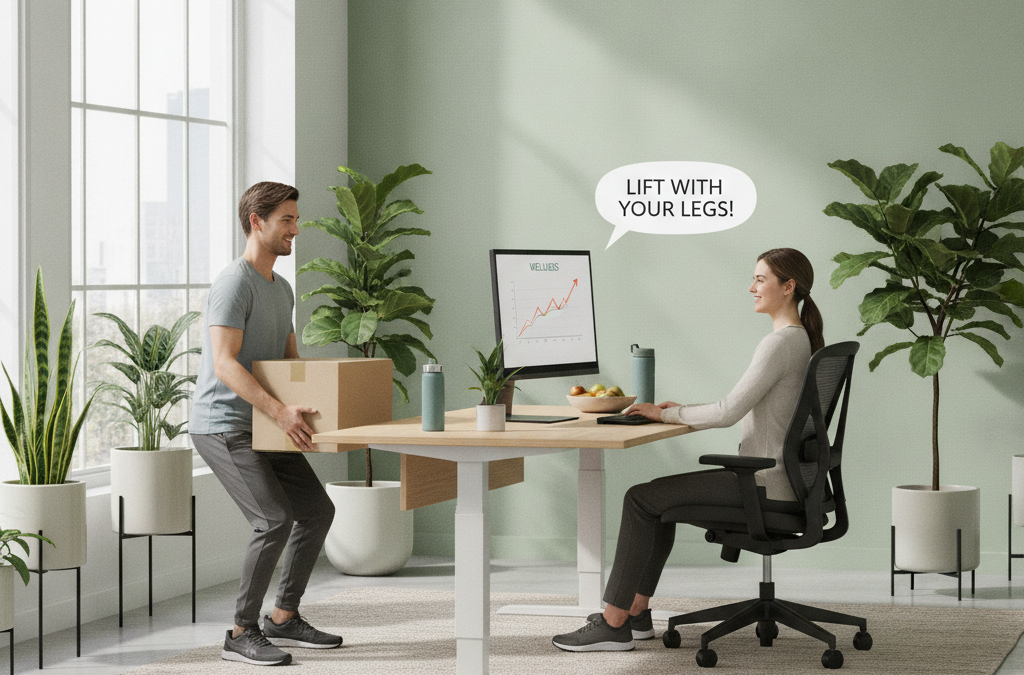
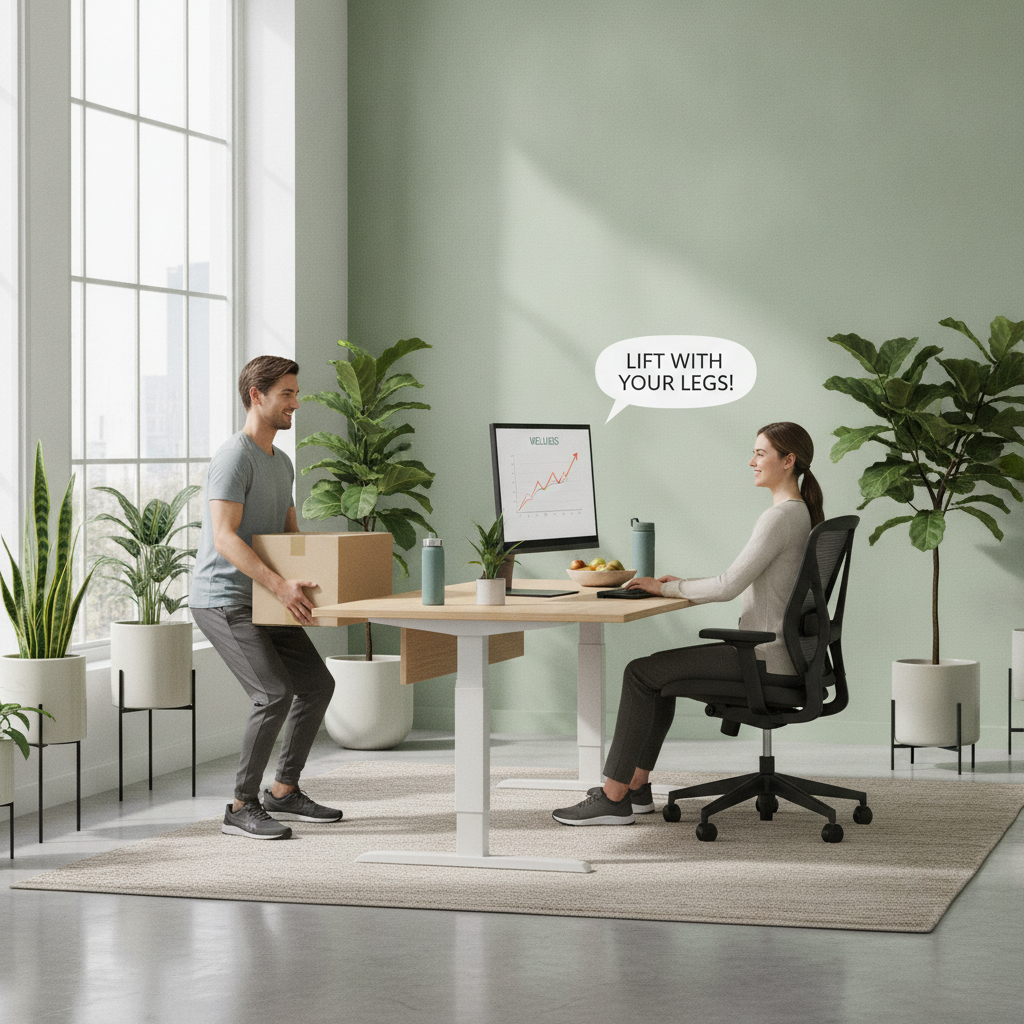
Prevention is the best medicine when it comes to workplace back health. Simple strategies like keeping objects close to your body, bending at the knees, and engaging your core muscles can make a significant difference. Regular stretching and mobility exercises also help prepare your body for physical tasks. For more guidance, check out Chiropractic Strategies for Morning Back Stiffness and Reduced Mobility, which offers practical tips for staying limber. Training your staff or team on proper lifting techniques can foster a culture of safety and reduce the risk of injuries across the workplace.
How Repetitive Lifting Impacts Spinal Health
Even if each individual lift seems harmless, repetitive lifting can gradually wear down the structures of the lower back. Over time, this repetitive stress can cause muscle fatigue, ligament strain, and even disc degeneration. Employees who perform the same movements day after day, such as stocking shelves, moving inventory, or transporting equipment, are especially at risk. To counteract these effects, it’s important to vary your movements, take regular breaks, and incorporate strengthening exercises into your routine. Employers can help by rotating tasks and encouraging a balanced workload. These small changes can make a big difference in long-term spinal health for everyone in the workplace.
The Role of Ergonomics in Injury Prevention
Ergonomics is the science of designing workspaces and tasks to fit the needs of the worker, not the other way around. Proper ergonomic setups can significantly reduce the risk of low back injuries by minimizing awkward movements and excessive strain. This includes adjustable desks, supportive chairs, and tools that allow for safe lifting. Employers in the region should consider investing in ergonomic assessments to identify risk factors and implement improvements. Simple changes, like repositioning frequently used items or providing lifting aids, can make a substantial difference in employee comfort and productivity. Prioritizing ergonomics is an investment in both health and business success.
Training Employees for Better Back Health
Employee education is a cornerstone of injury prevention. Regular training sessions on proper lifting techniques, posture, and body mechanics empower workers to take charge of their own health. Demonstrations, hands-on practice, and visual reminders can reinforce these lessons and make them second nature. Small business owners can partner with local health professionals to provide workshops or resources tailored to their specific workplace needs. Encouraging open communication about discomfort or potential hazards helps create a culture where safety is everyone’s responsibility. Investing in training not only reduces injury rates but also boosts morale and job satisfaction.
When to Seek Professional Help for Back Pain
Sometimes, despite your best efforts, back pain can become persistent or severe. Knowing when to seek professional help is crucial. If you experience sharp pain, numbness, tingling, or weakness in your legs, it’s important to consult a healthcare provider promptly. Chronic discomfort that interferes with your daily activities or work performance shouldn’t be ignored. A chiropractor specializing in back pain can assess your condition, provide targeted treatments, and offer advice on preventing future issues. Early intervention can prevent minor problems from becoming major setbacks, helping you stay active and productive in your role.
Comparing Lifting Risks Across Different Work Environments
Lifting risks vary widely depending on the type of workplace. Office workers may face back strain from moving equipment or files, while those in retail, construction, or warehousing handle heavier loads more frequently. Even remote workers can develop issues from poor posture or occasional lifting at home. The table below outlines some common risk factors and prevention tips for different work environments, helping you identify where improvements can be made in your own setting.
| Work Environment | Common Lifting Risks | Prevention Tips |
|---|---|---|
| Office | Moving equipment, files, or furniture | Use carts, lift with knees, keep loads close |
| Retail | Stocking shelves, unloading deliveries | Rotate tasks, use team lifts, stretch regularly |
| Warehouse | Heavy lifting, repetitive movements | Lift with legs, use mechanical aids, take breaks |
| Remote/Home | Occasional lifting, poor posture | Set up ergonomic spaces, move mindfully |
Building a Culture of Back Safety in Your Business
Creating a workplace culture that values back safety requires commitment from both leadership and employees. Start by making safety a regular topic of conversation, not just a one-time training. Encourage team members to report hazards, share tips, and look out for one another. Provide resources, such as posters or quick-reference guides, that reinforce proper lifting techniques. Recognize and reward safe behaviors to motivate ongoing participation. By prioritizing back health, businesses can reduce absenteeism, improve morale, and foster a more resilient workforce. These efforts benefit not only individual employees but also the overall success and reputation of your company in the neighborhood.
Final Thoughts
Workplace lifting habits have a profound impact on low back health, affecting employees across all industries in this community. By understanding the risks, recognizing early warning signs, and adopting preventive strategies, you can help protect yourself and your team from avoidable injuries. Investing in ergonomics, employee training, and a culture of safety pays dividends in productivity, morale, and long-term well-being. If back pain does arise, seeking timely professional care can make all the difference in recovery and prevention. Remember, small changes in daily habits can lead to big improvements in spinal health. Take the initiative today to create a safer, healthier workplace for everyone in the area.