If you’ve ever found yourself searching for lasting relief from persistent back pain, you may have come across the term Spinal Decompression Therapy West Des Moines IA. This innovative, non-surgical approach is gaining popularity among residents and business owners alike who are seeking alternatives to medication or invasive procedures. But how do you know if you’re truly a candidate for spinal decompression therapy? Understanding the signs, symptoms, and underlying issues that make someone a good fit for this treatment can help you take the next step toward a healthier, more mobile life. In this article, we’ll explore the key indicators that suggest spinal decompression might be right for you, clarify what to expect from the process, and offer insights to help you make an informed decision about your back health. Whether you’re a developer hunched over a desk or a small business owner on your feet all day, learning about your options could be the first step toward lasting comfort and improved well-being.
Recognizing Persistent Back Discomfort
One of the most common signs that you may benefit from spinal decompression therapy is experiencing ongoing back discomfort that doesn’t resolve with rest, stretching, or over-the-counter remedies. Many people in the area find that their pain lingers for weeks or even months, making daily activities challenging. If your discomfort is centralized in the lower back or radiates down your legs, it may indicate pressure on a spinal nerve or disc. This is where Spinal Decompression Treatment West Des Moines can make a difference. The therapy is designed to gently relieve pressure on spinal discs, which can help reduce pain and restore function. If you notice your pain is aggravated by sitting, standing, or bending, and it persists despite your best efforts, it’s worth exploring whether decompression therapy could address the root cause.
When Numbness or Tingling Becomes a Concern
Numbness, tingling, or a pins-and-needles sensation in your back, buttocks, or legs can be a warning sign that your spinal nerves are being compressed. These symptoms often accompany chronic back pain and may signal that your discs are not functioning optimally. If you’ve tried rest, ice, or even physical therapy but still experience these sensations, spinal decompression therapy could be a next step to consider. Not only does it aim to relieve nerve pressure, but it can also promote better nutrient flow to the affected discs. For those seeking back pain relief when numbness and tingling persist, decompression therapy offers a non-invasive solution that targets the underlying mechanical issues in the spine.
Difficulty Standing or Walking for Long Periods
If you find yourself needing to sit down frequently or experiencing discomfort after walking or standing for just a short time, it could be a sign that your spine is under abnormal stress. This is particularly relevant for small business owners or those with jobs that require prolonged standing. Spinal decompression therapy may help by reducing the load on compressed discs and nerves, making it easier to remain active throughout the day. Consulting a Chiropractor in West Des Moines, IA can help determine if your symptoms align with those commonly improved by decompression. If your mobility is limited and daily routines are becoming harder to manage, it’s worth investigating whether this therapy could restore your ability to move comfortably.
Understanding How Spinal Decompression Works
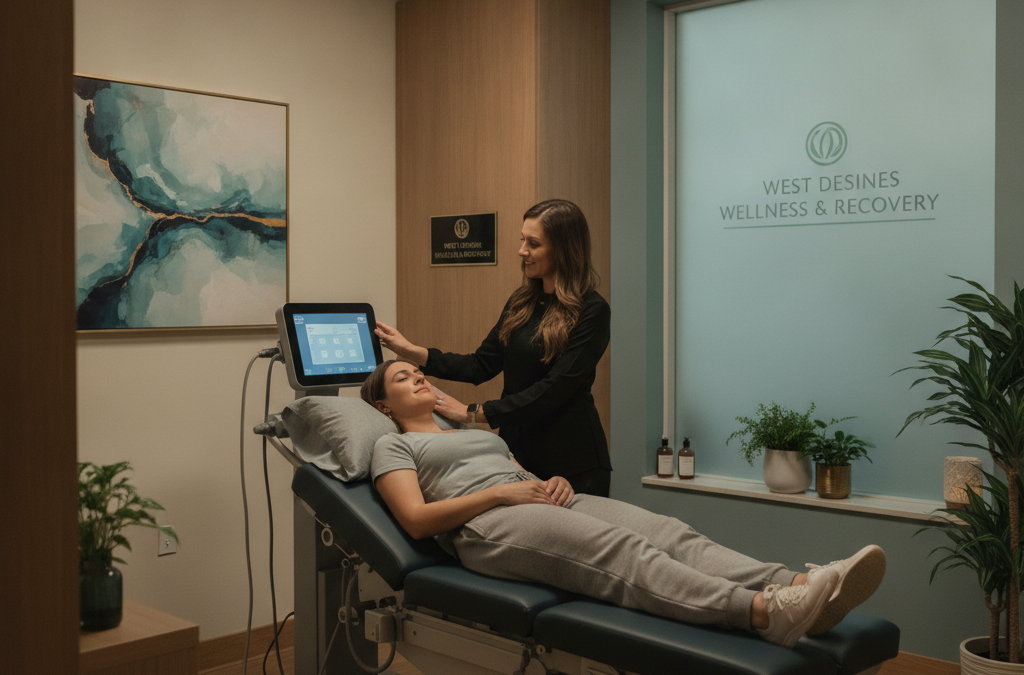
Spinal decompression therapy uses a specialized table to gently stretch and relax the spine in a controlled manner. This process creates negative pressure within the spinal discs, encouraging herniated or bulging material to retract and allowing nutrients and oxygen to flow more freely. The result is often a reduction in nerve compression and pain. For those interested in the mechanics behind this approach, Understanding the Science Behind Spinal Decompression Therapy in West Des Moines can provide a deeper look at the research and technology involved. Knowing how the therapy works can help you feel more confident in your decision to pursue it as a treatment option.
Combining Decompression With Other Therapies
While spinal decompression can be highly effective on its own, many patients see even better outcomes when it’s combined with other chiropractic therapies. These may include manual adjustments, targeted exercises, or soft tissue work. Integrating multiple modalities can address not just the symptoms but also the underlying causes of your discomfort. For a comprehensive approach to care, explore Why Spinal Decompression Is Often Combined With Other Chiropractic Therapies. This holistic strategy is especially helpful for those who have tried single-method treatments without lasting results. If you’re seeking a solution that addresses your unique needs from several angles, a multi-faceted plan may be the answer.
Common Conditions That Respond Well to Decompression
Several spinal conditions are known to respond positively to decompression therapy. These include herniated discs, degenerative disc disease, sciatica, and facet joint syndrome. If you’ve been diagnosed with any of these issues, or if you experience symptoms such as radiating leg pain or stiffness in the lower back, decompression may offer relief. It’s important to note that not every type of back pain is suitable for this approach, conditions like fractures, tumors, or severe osteoporosis may require different care. A thorough evaluation by a qualified practitioner will help determine if your specific diagnosis aligns with those that benefit most from decompression therapy.
Who Should Avoid Spinal Decompression Therapy?
While spinal decompression is safe for many, there are certain situations where it is not recommended. Individuals with spinal fractures, advanced osteoporosis, spinal implants, or certain types of cancer should avoid this therapy. Pregnant women are also generally advised against decompression due to the physical demands placed on the body. If you have any of these conditions, your provider will discuss alternative treatments that may be more appropriate. Always communicate your full medical history and any concerns before starting a new therapy to ensure your safety and the best possible outcome.
What to Expect During Your Evaluation
Before beginning spinal decompression therapy, you’ll undergo a comprehensive evaluation. This typically includes a review of your medical history, a physical examination, and possibly imaging studies like X-rays or MRI scans. The goal is to identify the specific source of your pain and determine if decompression is the right fit. Your provider will explain the procedure, answer your questions, and set realistic expectations for results. This evaluation process is key to ensuring that you receive the most effective and personalized care possible. It also gives you an opportunity to voice any concerns and learn more about the therapy’s potential benefits.
Lifestyle Factors That May Influence Your Candidacy
Your daily habits and lifestyle choices can play a significant role in determining whether spinal decompression therapy is right for you. Those who spend long hours at a desk, perform repetitive lifting, or are frequently on their feet may be more prone to spinal compression and related symptoms. Additionally, factors like posture, weight, and overall physical activity can influence both the development of back issues and your response to therapy. Discussing these aspects with your provider can help tailor a treatment plan that addresses your unique needs and supports your long-term spinal health.
How Spinal Decompression Differs From Other Treatments
Unlike surgery or medication, spinal decompression therapy is non-invasive and focuses on addressing the mechanical causes of back pain. It differs from standard traction by using advanced technology to precisely control the force and angle of decompression, making it safer and more effective for certain conditions. This approach allows for gradual healing and can often be performed alongside other therapies, such as physical rehabilitation or chiropractic adjustments. Understanding these differences can help you make an informed choice about whether decompression is the right path for your recovery journey.
Comparing Spinal Decompression to Other Back Pain Solutions
| Treatment | Invasiveness | Recovery Time | Typical Candidates |
|---|---|---|---|
| Spinal Decompression Therapy | Non-invasive | Minimal to none | Chronic disc or nerve pain, herniated discs |
| Surgical Intervention | Invasive | Weeks to months | Severe, unresponsive cases |
| Physical Therapy | Non-invasive | Varies | Muscle strains, mild to moderate pain |
| Medication | Non-invasive | Immediate, but temporary | Short-term pain management |
This table highlights how spinal decompression therapy compares to other common treatments. Its non-invasive nature and minimal recovery time make it an appealing option for many who are not ready for surgery or who want to avoid medication dependence.
Final Thoughts
Determining whether you’re a candidate for spinal decompression therapy involves understanding your symptoms, medical history, and lifestyle. Persistent pain, numbness, or limited mobility are all signs that you may benefit from this non-invasive approach. The therapy is especially suited for those with disc-related issues who want to avoid surgery or long-term medication use. By working closely with a qualified provider, you can receive a thorough evaluation and a tailored treatment plan that addresses your unique needs. Remember, the journey to better back health is personal, and taking the time to explore your options is a proactive step toward lasting relief. If you’re ready to regain comfort and mobility, consider whether spinal decompression therapy could be the solution you’ve been searching for in your community.