
Back pain affects millions of people every year, and for many in the area, finding lasting relief can feel like an endless search. Spinal decompression therapy has emerged as a popular, non-surgical solution that offers hope to those struggling with chronic discomfort. But what exactly is spinal decompression therapy, and why is it gaining traction among residents and small business owners alike? In this article, we’ll unravel the science behind spinal decompression therapy West Des Moines IA locals are turning to for relief. Whether you’re a developer spending long hours at a desk, a small business owner on your feet all day, or simply someone seeking to understand your options, this in-depth guide will walk you through the mechanisms, benefits, and practical considerations of this innovative approach. By the end, you’ll have a clear understanding of how spinal decompression works, who it’s designed for, and what to expect if you decide to explore this therapy for yourself or your loved ones.
What Is Spinal Decompression Therapy?
Spinal decompression therapy is a non-invasive treatment designed to relieve pressure on the spinal discs and nerves. It is often recommended for individuals experiencing chronic back pain, herniated discs, sciatica, and other spinal issues. Unlike surgical interventions, spinal decompression uses controlled mechanical traction to gently stretch the spine, creating negative pressure within the discs. This negative pressure helps retract bulging or herniated discs and promotes the movement of oxygen, water, and nutrient-rich fluids into the disc, supporting the body’s natural healing process.
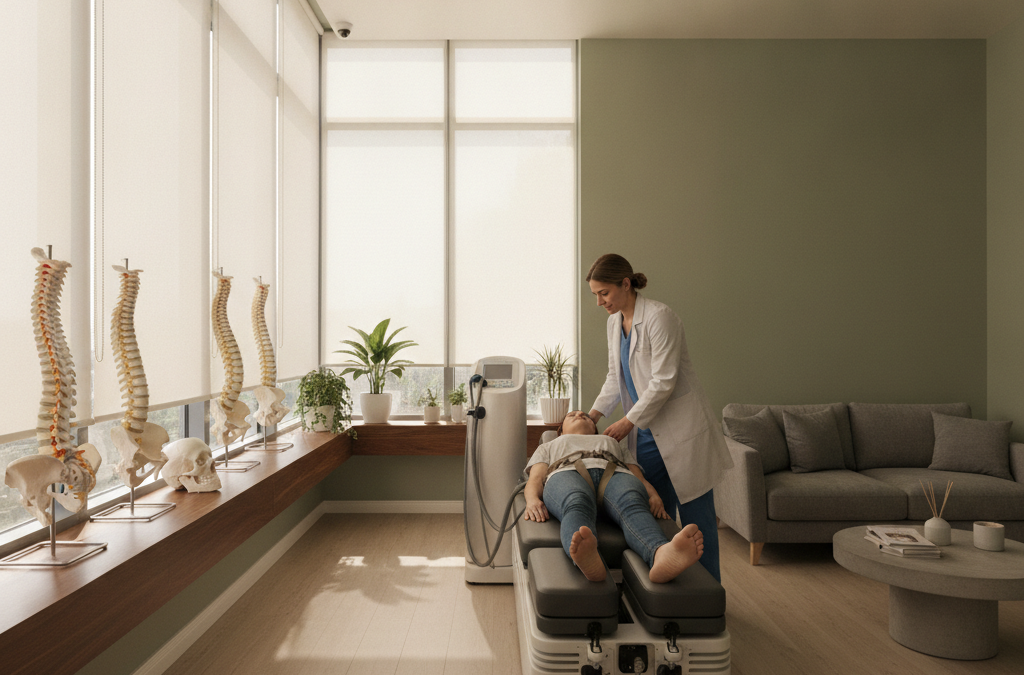
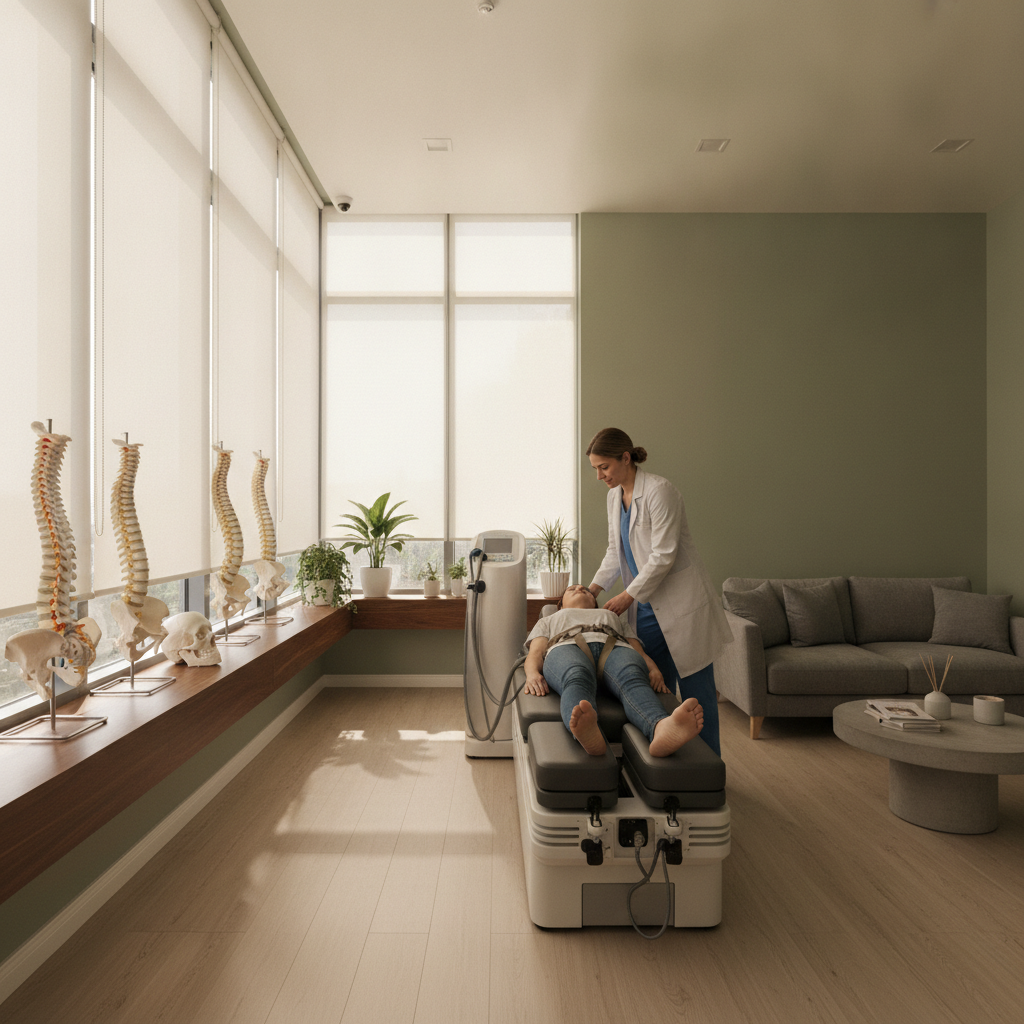
The therapy is typically performed using a specialized table or device that allows precise adjustments to the angle and force of traction. Sessions usually last between 15 and 30 minutes, and a typical course of treatment may involve multiple visits over several weeks. Patients remain fully clothed and are comfortably secured to the table, which then moves in a way that targets the affected area of the spine.
This approach is especially appealing to those who want to avoid surgery or long-term medication use. By addressing the underlying mechanical issues in the spine, decompression therapy aims to provide sustainable relief rather than just masking symptoms. Clinics such as Complete Wellness Chiropractic have incorporated this therapy into their suite of services, making it accessible to more people seeking effective, evidence-based care.
The Science of Spinal Decompression: How It Works
To appreciate the effectiveness of spinal decompression therapy, it’s important to understand the anatomy of the spine and the forces at play. The human spine is composed of vertebrae separated by intervertebral discs, which act as cushions and allow for flexibility. Over time, these discs can become compressed or damaged due to injury, poor posture, repetitive strain, or degenerative changes.
Spinal decompression therapy works by applying a gentle, calculated force that stretches the spine and creates space between the vertebrae. This process reduces pressure on the discs and nerves, which can alleviate pain and improve mobility. The negative pressure generated within the disc encourages the retraction of herniated or bulging disc material, reducing nerve impingement and inflammation.
Research suggests that decompression can enhance the flow of nutrients and fluids into the disc, supporting cellular repair and regeneration. This is crucial for healing, as discs have a limited blood supply and rely on movement and pressure changes to receive nutrients. By restoring a healthier environment within the spine, decompression therapy can help address the root causes of pain rather than just providing temporary relief.
For those suffering from sciatica, for example, spinal decompression can relieve the pressure on the sciatic nerve, leading to significant improvements in symptoms. Clinics offering Chiropractic Adjustments for Sciatica Relief in West Des Moines, IA often combine decompression with other therapies to maximize results.
Common Conditions Addressed by Decompression Therapy
Spinal decompression therapy is not a one-size-fits-all solution, but it has shown promise in addressing a range of spinal conditions. The most common issues treated include herniated or bulging discs, degenerative disc disease, sciatica, facet syndrome, and chronic lower back pain. For individuals who have not found relief through traditional chiropractic care, physical therapy, or medications, decompression therapy offers an alternative pathway to recovery.
Herniated discs occur when the soft inner material of a disc pushes through its tougher outer layer, often compressing nearby nerves and causing pain, numbness, or weakness. Degenerative disc disease involves the gradual breakdown of discs due to aging or wear and tear, leading to reduced cushioning and increased discomfort. Sciatica, characterized by pain radiating down the leg from the lower back, is frequently caused by nerve compression from a herniated disc or spinal stenosis.
Decompression therapy can also benefit those with facet syndrome, a condition affecting the small joints between vertebrae. By reducing pressure and inflammation, the therapy helps restore joint function and mobility. Chronic lower back pain, which may have multiple contributing factors, can also be alleviated through decompression by addressing underlying mechanical dysfunctions.
For a deeper understanding of persistent back pain and the role of chiropractic care, the resource What Causes Recurring Low Back Pain and How Chiropractic Care Can Help provides additional insights into the interconnected nature of spinal health.
A Closer Look at the Spinal Decompression Process
The process of spinal decompression therapy is designed to be both comfortable and effective. During a typical session, the patient lies on a motorized table, either face up or face down, depending on the area being treated. Straps are gently secured around the pelvis and trunk to stabilize the body. The table is then programmed to apply a specific amount of traction, which is gradually increased and decreased in cycles.
This cyclical traction is key to the therapy’s effectiveness. By alternating periods of stretching and relaxation, the treatment encourages movement of fluids and nutrients into the discs while minimizing muscle guarding or resistance. Most patients report a gentle pulling sensation and often find the experience relaxing.
A full course of spinal decompression therapy usually involves 15 to 30 sessions, spread over several weeks. The exact number of sessions depends on the severity of the condition, the patient’s response to treatment, and the recommendations of the healthcare provider. Many clinics will also incorporate complementary therapies, such as heat, cold, electrical stimulation, or targeted exercises, to enhance the benefits of decompression.
It’s important for patients to communicate openly with their provider throughout the process, reporting any changes in symptoms or comfort levels. Adjustments can be made to ensure the therapy is both safe and effective for each individual.
Who Is an Ideal Candidate for Spinal Decompression?
Not everyone with back pain is a suitable candidate for spinal decompression therapy. The ideal candidate is someone experiencing chronic or recurrent back pain, particularly due to disc-related issues, who has not found adequate relief through other conservative treatments. Individuals with herniated or bulging discs, sciatica, degenerative disc disease, or facet syndrome often respond well to decompression.
However, there are certain conditions and circumstances where decompression therapy may not be recommended. These include advanced osteoporosis, spinal fractures, tumors, infections, or recent spinal surgery. Pregnant women and individuals with certain medical implants may also be advised to avoid this therapy.
A thorough evaluation by a qualified healthcare provider is essential before beginning spinal decompression therapy. This typically involves a review of medical history, physical examination, and, if necessary, imaging studies such as X-rays or MRI scans. By carefully assessing each patient’s unique situation, providers can determine whether decompression is likely to be beneficial and safe.
For many in this community, the appeal of spinal decompression lies in its non-invasive nature and the potential to avoid surgery or long-term medication use. By targeting the underlying mechanical issues in the spine, decompression offers a promising path to recovery for those who qualify.
What to Expect During Your First Session
If you’re considering spinal decompression therapy, knowing what to expect during your first session can help ease any apprehension. The initial visit typically begins with a comprehensive assessment, where the provider reviews your medical history, discusses your symptoms, and performs a physical examination. This step ensures that decompression is appropriate for your condition and helps tailor the treatment plan to your specific needs.
Once you’re cleared for therapy, the provider will explain the procedure in detail, answer any questions, and address any concerns. You’ll be asked to lie down on the decompression table, and comfortable straps will be secured around your hips and torso. The table’s settings are adjusted based on your height, weight, and the area of the spine being targeted.
During the session, you’ll feel a gentle stretching sensation as the table applies traction. Most people find the experience relaxing, and some even report a sense of immediate relief. The provider will monitor your comfort throughout the session and can make adjustments as needed. After the session, you may be given recommendations for hydration, rest, or light activity.
It’s common to experience some mild soreness after the first few sessions, similar to what you might feel after starting a new exercise routine. This typically resolves quickly as your body adapts to the therapy.
Comparing Spinal Decompression to Other Back Pain Treatments
When exploring options for back pain relief, it’s helpful to understand how spinal decompression therapy compares to other common treatments. Traditional chiropractic adjustments, physical therapy, massage, medications, and surgery each have their own advantages and limitations. The table below provides a side-by-side comparison of these approaches to help clarify where decompression therapy fits within the broader landscape of spinal care.
| Treatment | Invasiveness | Typical Duration | Key Benefits |
|---|---|---|---|
| Spinal Decompression Therapy | Non-invasive | 15–30 sessions | Targets disc issues, promotes healing, drug-free |
| Chiropractic Adjustments | Non-invasive | Ongoing, as needed | Improves alignment, relieves tension |
| Physical Therapy | Non-invasive | Weeks to months | Strengthens muscles, improves mobility |
| Massage Therapy | Non-invasive | Ongoing, as needed | Reduces muscle tension, enhances relaxation |
| Medications | Non-invasive | Short or long-term | Reduces pain, but may have side effects |
| Surgery | Invasive | Permanent, with recovery time | Addresses severe cases, but with risks |
As shown, spinal decompression therapy offers a unique, non-invasive approach that specifically targets disc-related issues and nerve compression. It is often used in conjunction with other therapies to provide comprehensive care tailored to each patient’s needs.
The Role of Technology in Modern Decompression Therapy
Advancements in technology have significantly improved the safety, comfort, and effectiveness of spinal decompression therapy. Modern decompression tables are equipped with sophisticated sensors and computerized controls that allow for precise adjustments based on the patient’s body type, condition, and response to treatment.
These systems can monitor muscle resistance in real time, automatically adjusting the force and angle of traction to prevent discomfort or injury. Some tables also feature programmable treatment protocols that can be customized for specific conditions, such as lumbar or cervical disc herniations. This level of precision ensures that each session is tailored to the individual, maximizing therapeutic benefits while minimizing risks.
In addition to mechanical improvements, many clinics now integrate digital record-keeping and outcome tracking, allowing providers to monitor progress and make data-driven adjustments to the treatment plan. This technology-driven approach enhances patient safety, supports better outcomes, and provides a more seamless experience for those seeking relief from back pain.
For residents in this city, access to state-of-the-art decompression equipment means that non-surgical spinal care is more effective and accessible than ever before.
Potential Risks and Side Effects of Spinal Decompression
While spinal decompression therapy is generally considered safe for most eligible patients, it’s important to be aware of potential risks and side effects. The most common side effect is mild soreness or discomfort following the initial sessions, similar to what one might experience after starting a new physical activity. This typically subsides as the body adjusts to the therapy.
Rarely, some individuals may experience increased pain, muscle spasms, or nerve irritation. These effects are usually temporary and can often be managed by adjusting the treatment parameters or incorporating complementary therapies such as heat, ice, or gentle stretching. It’s crucial for patients to communicate openly with their provider about any changes in symptoms, so that the treatment plan can be modified as needed.
Serious complications are uncommon, especially when therapy is administered by trained professionals and appropriate screening is conducted beforehand. However, decompression is not suitable for everyone, and those with certain medical conditions or recent surgeries should avoid this therapy unless specifically cleared by their healthcare provider.
By understanding both the benefits and potential risks, patients can make informed decisions about their spinal health and choose the approach that best fits their needs and goals.
Integrating Spinal Decompression with Lifestyle Changes
Spinal decompression therapy is most effective when combined with healthy lifestyle habits that support spinal health and overall well-being. While decompression can address the mechanical aspects of back pain, lasting relief often depends on addressing contributing factors such as posture, ergonomics, physical activity, and stress management.
- Maintaining good posture throughout the day, especially when sitting or standing for long periods
- Incorporating regular stretching and strengthening exercises to support core and back muscles
- Using ergonomic furniture and equipment at work and home
- Staying hydrated and eating a balanced diet to support tissue health
- Managing stress through mindfulness, relaxation techniques, or counseling
Many providers will offer guidance on these lifestyle factors as part of a comprehensive care plan. By making small, sustainable changes, patients can enhance the effects of decompression therapy and reduce the risk of future back problems.
For small business owners and developers, prioritizing ergonomic workspaces and regular movement breaks can make a significant difference in spinal health and productivity.
What to Look for in a Spinal Decompression Provider
Choosing the right provider is a key factor in achieving successful outcomes with spinal decompression therapy. Look for clinics with experienced, licensed professionals who specialize in spinal care and have access to modern decompression equipment. It’s also important to find a provider who takes the time to understand your unique needs, explains the treatment process clearly, and offers a personalized care plan.
Ask about the provider’s experience with your specific condition, the types of decompression equipment used, and the protocols followed for patient safety and monitoring. Reading reviews or seeking recommendations from others in the neighborhood can also help you make an informed choice.
A good provider will conduct a thorough assessment before recommending decompression therapy and will communicate openly about expected outcomes, potential risks, and the steps involved in the process. This collaborative approach ensures that you feel confident and supported throughout your care journey.
For those seeking spinal decompression therapy in this community, taking the time to research and select a reputable provider can make all the difference in your experience and results.
Final Thoughts
Spinal decompression therapy is reshaping the way people approach chronic back pain, offering a non-surgical, evidence-based option for those seeking relief from disc-related conditions. By understanding the science behind this therapy and how it fits within a broader strategy for spinal health, individuals can make empowered decisions about their care. Whether you’re a small business owner, developer, or simply someone seeking answers, exploring spinal decompression therapy in West Des Moines, IA could be a pivotal step toward improved comfort and mobility. As always, consult with a qualified provider to determine if this approach is right for you, and remember that combining therapy with healthy lifestyle habits can lead to the best long-term outcomes.