
Recurring low back pain is a challenge that affects people from all walks of life, including small business owners, developers, and anyone with a busy lifestyle. If you’ve ever found yourself sidelined by persistent aches or sudden twinges, you know how disruptive back pain can be. For many in search of lasting relief, understanding the underlying causes of this pain is the first step. Whether your discomfort stems from long hours at a desk, heavy lifting, or simply the stress of daily responsibilities, the search for effective solutions is universal. Many residents turn to a chiropractor for back pain West Des Moines IA to address these issues, seeking a holistic approach that goes beyond temporary fixes. In this article, we’ll explore the most common causes of recurring low back pain, why it tends to come back, and how chiropractic care can offer a path to long-term wellness. By the end, you’ll have a clearer picture of your options and practical strategies to keep your back healthy and strong.
The Anatomy of Recurring Low Back Pain
To truly understand why low back pain keeps returning, it helps to look at the structure and function of the lower back. The lumbar region, consisting of five vertebrae, supports much of your body’s weight and allows for flexibility and movement. This area is surrounded by muscles, ligaments, and discs that cushion and stabilize the spine. When any component is strained, injured, or out of alignment, pain can result. Repetitive movements, poor posture, and even emotional stress can cause these structures to become irritated or inflamed, leading to recurring discomfort. Over time, small imbalances or weaknesses can develop into chronic issues, especially if left unaddressed. For many, seeking help from Complete Wellness Chiropractic is the first step toward understanding the root cause of their pain and finding targeted solutions that address more than just the symptoms.
Why Back Pain Keeps Coming Back
It’s frustrating when back pain seems to resolve, only to return weeks or months later. This cycle often occurs because the underlying causes haven’t been fully addressed. Common culprits include muscle imbalances, weak core muscles, repetitive strain, and poor ergonomics at work or home. Sometimes, pain is triggered by sudden movements or lifting, but often it’s the result of accumulated microtrauma from daily habits. Stress and lack of movement can also play a role, tightening muscles and reducing circulation. Without a comprehensive approach to treatment, including lifestyle adjustments and preventive care, pain is likely to recur. For those whose pain is disrupting sleep or daily activities, resources like When Back Pain Starts Affecting Sleep: Chiropractic Options in West Des Moines, IA offer insight into how chiropractic care can help break the cycle and restore quality of life.
How a Chiropractor Can Address Persistent Back Pain
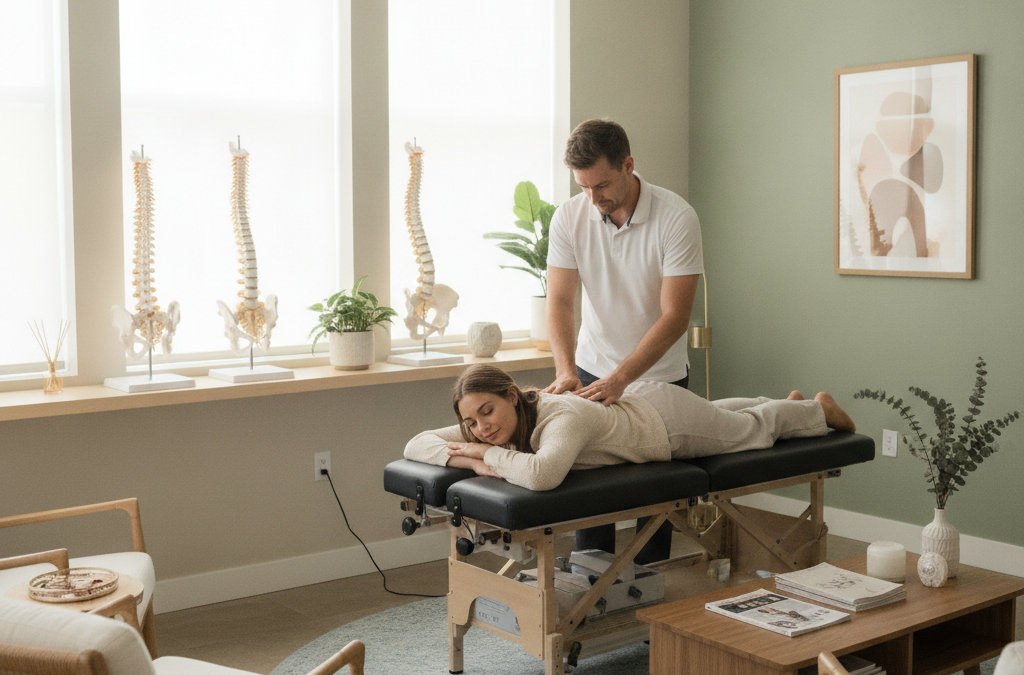
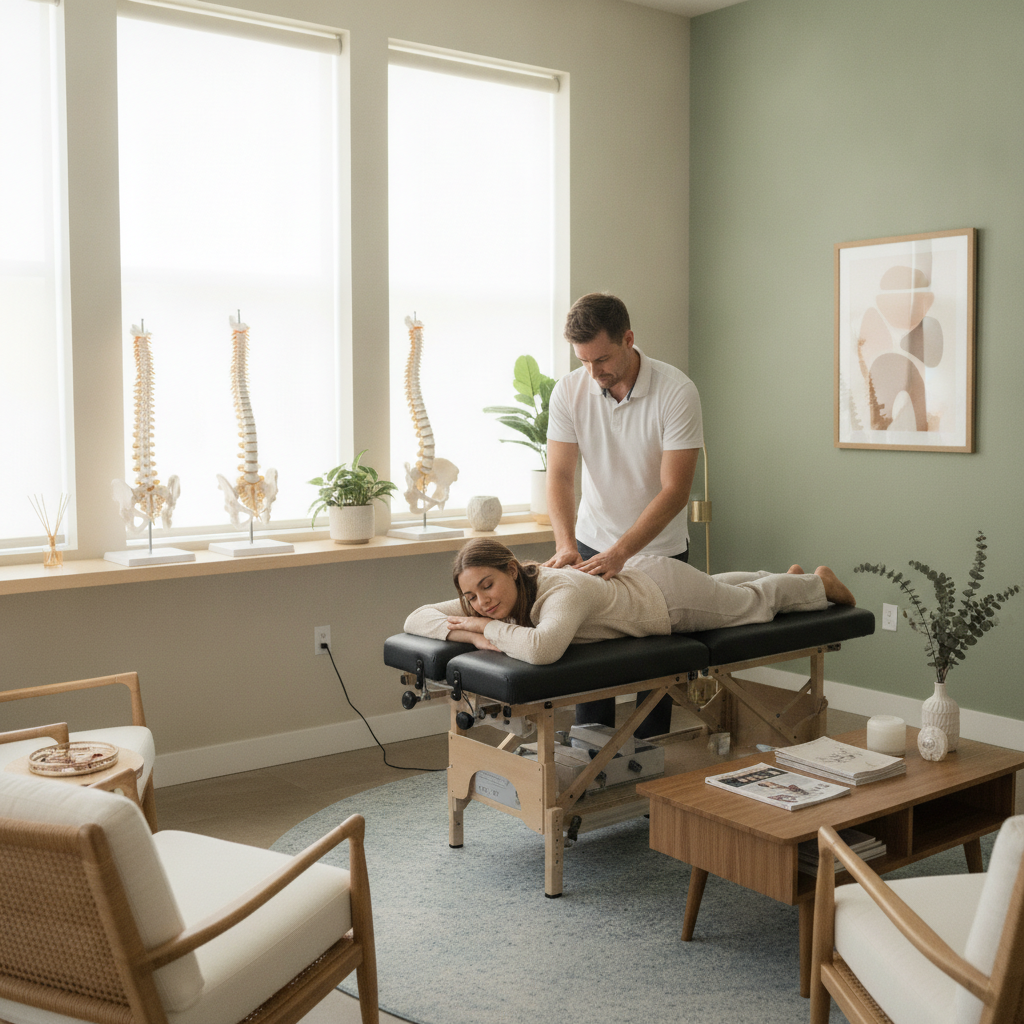
Chiropractors are uniquely trained to identify the root causes of recurring low back pain. Through a combination of hands-on assessment, movement analysis, and patient history, they can pinpoint dysfunctions in the spine and surrounding tissues. Chiropractic adjustments aim to restore proper alignment, reduce nerve irritation, and improve mobility. Many chiropractors also incorporate soft tissue therapy, stretching, and exercise recommendations to support healing. By addressing both the symptoms and the underlying structural issues, chiropractic care can help prevent future flare-ups. For those interested in a holistic approach, How a Chiropractor in West Des Moines, IA Can Help with Back and Neck Pain provides an in-depth look at the benefits of chiropractic for ongoing back issues.
Common Everyday Triggers for Low Back Pain
Many people are surprised to learn that everyday habits are often responsible for recurring low back pain. Sitting for long periods, especially with poor posture, can put excessive pressure on the lumbar spine. Lifting objects without proper technique, such as bending at the waist instead of the knees, is another frequent cause. Even seemingly harmless actions like twisting to reach for something or carrying a heavy bag on one shoulder can contribute to muscle strain. For small business owners and developers, long hours at a desk or on the go can make these issues worse. Recognizing these triggers is the first step in making changes that protect your back.
The Role of Posture and Ergonomics
Posture plays a critical role in the health of your lower back. Poor posture, whether sitting, standing, or moving, can lead to muscle fatigue, joint stress, and eventually pain. Ergonomics, the science of designing your environment to fit your body, can make a significant difference. Simple adjustments, like using a supportive chair, keeping your monitor at eye level, and taking regular breaks to stretch, can reduce strain on your back. For those who work from home or in an office, investing in ergonomic equipment and developing healthy movement habits is an investment in long-term spinal health. Chiropractors often provide personalized advice on posture and ergonomics, helping patients create a workspace that supports recovery and prevents future pain.
How Stress and Lifestyle Affect Your Back
Stress is a lesser-known but powerful contributor to recurring low back pain. When you’re under stress, your muscles tend to tense up, especially in the shoulders and lower back. Over time, this tension can lead to discomfort, reduced mobility, and even chronic pain. Lifestyle factors such as lack of exercise, poor sleep, and unhealthy eating can also weaken your back’s resilience. Incorporating stress management techniques, like mindfulness, regular physical activity, and adequate rest, can make a meaningful difference. Chiropractic care often takes a whole-person approach, addressing not just the spine but also the lifestyle factors that influence your well-being.
Chiropractic Techniques for Lasting Relief
Chiropractors use a variety of techniques to help patients find lasting relief from low back pain. Spinal adjustments are the most well-known, but many practitioners also utilize soft tissue therapies, rehabilitative exercises, and modalities like ultrasound or electrical stimulation. These methods work together to reduce inflammation, improve mobility, and strengthen supporting muscles. Personalized care plans are tailored to each patient’s needs, ensuring that treatment addresses both immediate pain and long-term prevention. Education is also a key component, empowering patients to take an active role in their recovery and ongoing health.
What to Expect During Your Chiropractic Visit
If you’re considering chiropractic care for recurring low back pain, knowing what to expect can ease any apprehensions. Your first visit typically includes a thorough assessment, where the chiropractor reviews your medical history, discusses your symptoms, and performs a physical examination. Diagnostic tests, such as X-rays or posture analysis, may be recommended to get a clearer picture of your spine’s health. Treatment often begins with gentle adjustments and may include soft tissue work, stretching, or guidance on exercises to do at home. Most patients experience some relief after the first few sessions, with ongoing care focused on preventing future episodes. Open communication with your chiropractor is key to achieving the best results.
Comparing Chiropractic Care to Other Back Pain Solutions
When it comes to managing recurring low back pain, there are many options available. Chiropractic care stands out for its focus on addressing the root cause of pain, rather than simply masking symptoms. Unlike medications, which may provide temporary relief but can have side effects, chiropractic adjustments aim to restore natural function. Physical therapy is another effective approach, especially for strengthening and rehabilitating muscles. Invasive procedures, such as injections or surgery, are typically reserved for severe cases that don’t respond to conservative care. The table below compares some of the most common solutions for low back pain, highlighting their benefits and considerations.
| Approach | Focus | Pros | Considerations |
|---|---|---|---|
| Chiropractic Care | Spinal alignment, holistic health | Addresses root cause, non-invasive, personalized | Requires multiple visits, not suitable for all conditions |
| Physical Therapy | Strengthening, rehabilitation | Improves function, teaches self-care | Time commitment, may need ongoing sessions |
| Medication | Pain relief, inflammation reduction | Quick symptom relief | Does not address root cause, possible side effects |
| Surgery | Structural correction | Can resolve severe cases | Invasive, risks and long recovery |
Preventive Strategies for a Healthier Back
Prevention is key when it comes to keeping low back pain at bay. Incorporating regular movement into your day, such as walking or stretching, helps maintain flexibility and strength. Maintaining a healthy weight reduces strain on your spine, while core exercises provide stability and support. Practicing good posture, both at work and during leisure activities, minimizes unnecessary stress on the back. For those who have experienced recurring pain, periodic check-ins with a chiropractor can catch small issues before they become bigger problems. Education and self-awareness empower you to make choices that protect your back and support overall wellness.
When to Seek Professional Help
While many cases of low back pain resolve on their own, there are times when professional care is necessary. If your pain is severe, persistent, or accompanied by symptoms like numbness, tingling, or weakness, it’s important to seek evaluation. Early intervention can prevent minor issues from becoming chronic problems. Chiropractors are skilled at identifying when additional medical attention is needed and can coordinate care with other healthcare providers. Listening to your body and acting promptly can make a significant difference in your recovery and long-term health.
Final Thoughts
Recurring low back pain doesn’t have to be a permanent part of your life. By understanding the causes, making informed choices about your daily habits, and seeking the right professional support, you can break the cycle of discomfort. Chiropractic care offers a holistic, patient-centered approach that addresses both immediate pain and long-term prevention. Whether you’re a small business owner, developer, or anyone looking to stay active and pain-free, taking proactive steps today can lead to a healthier, more comfortable tomorrow. Remember, your back is the foundation of your movement, investing in its health pays lifelong dividends.