
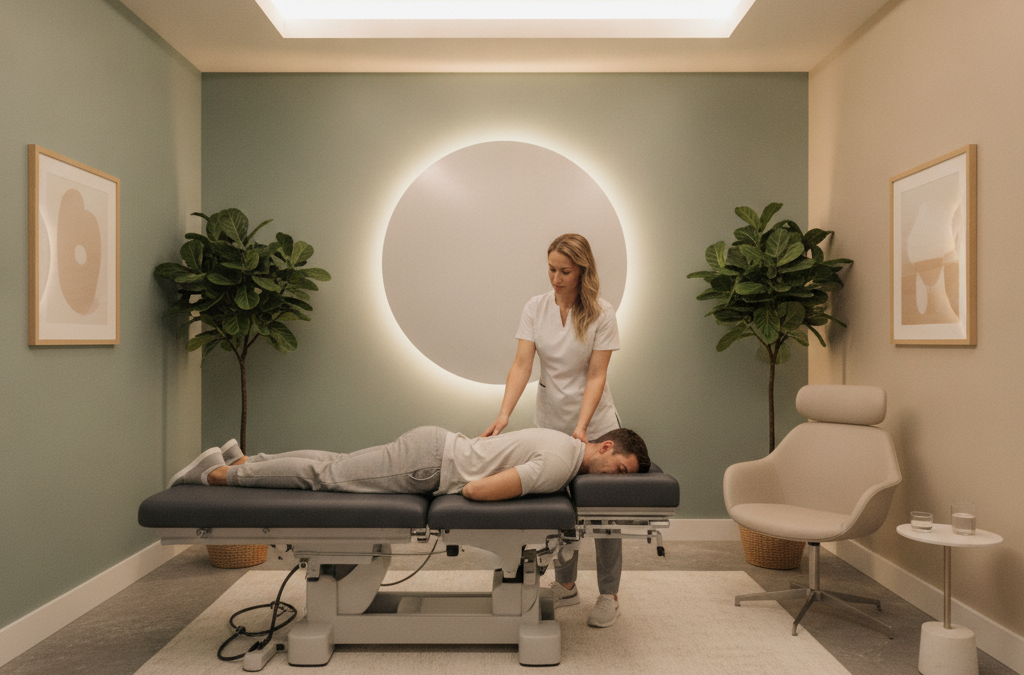
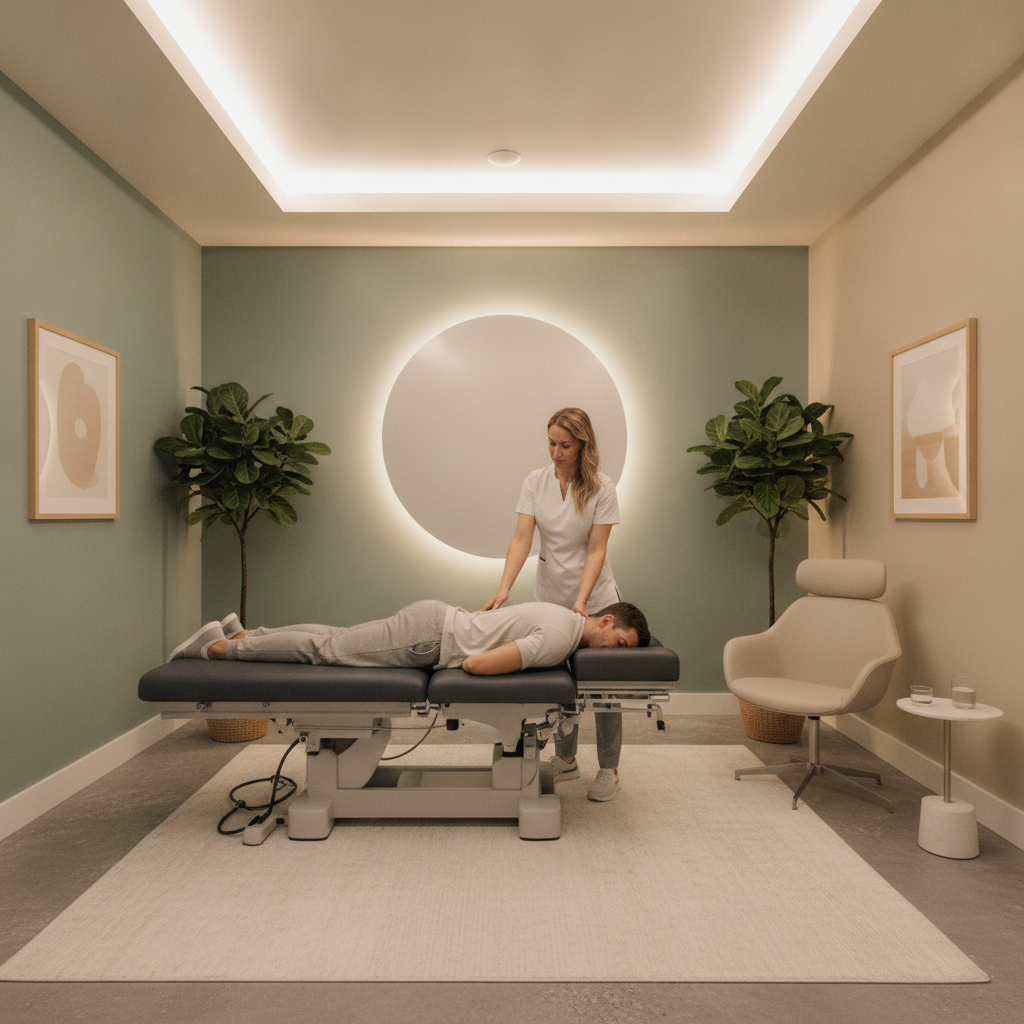
If you’ve ever wondered what actually happens during a spinal decompression session, you’re not alone. Many people in the area are curious about this innovative approach to back care, especially as more clinics offer Spinal Decompression Therapy West Des Moines IA residents can trust. Whether you’re a small business owner managing long hours at a desk, a developer dealing with tech-related posture issues, or simply someone looking for relief from chronic back discomfort, understanding the process can help you feel more confident about your care. This article walks you through each stage of a typical session, what you might experience, and how it fits into a modern approach to spinal health. By the end, you’ll know what to expect and how to make the most of your time on the decompression table.
Understanding the Basics of Spinal Decompression
Spinal decompression is a non-surgical therapy designed to relieve pressure on the spinal discs and nerves. It uses a specialized table or device to gently stretch the spine in a controlled manner, creating negative pressure within the discs. This negative pressure can help retract bulging or herniated discs and promote the flow of oxygen, water, and nutrients into the affected areas, supporting natural healing. Unlike traditional traction, modern decompression systems are computer-controlled and can be tailored to each patient’s needs. If you’re interested in how this process might help your back pain, you can learn more about the science and approach behind it.
What Happens During Your First Visit
Your initial spinal decompression session typically begins with a thorough assessment. The provider will review your health history, discuss your symptoms, and perform a physical examination to determine if decompression is appropriate for your condition. This is also the time to ask questions and share any concerns. The practitioner may use imaging or posture analysis to further evaluate your spine. Once you’re cleared for treatment, you’ll receive a full explanation of what to expect during the session. For a deeper dive into the spinal health benefits of this therapy, consider exploring the latest research and patient experiences.
Preparing for Your Spinal Decompression Session
Preparation is simple but important for a successful session. You’ll want to wear comfortable clothing that allows easy movement and doesn’t restrict your waist or back. Avoid eating a large meal right before your appointment, as lying on the decompression table can be uncomfortable with a full stomach. Arriving a few minutes early allows you to relax and complete any necessary paperwork. The staff will explain the procedure and answer any last-minute questions. If you’re seeking a Chiropractor in West Des Moines, IA who offers decompression, be sure to ask about their specific protocols and patient guidelines to ensure the best experience.
The Step-by-Step Spinal Decompression Process
Once you’re ready, the provider will help you onto the decompression table, positioning you for maximum comfort and effectiveness. Straps or harnesses are gently secured around your hips and upper body to stabilize you. The table is then programmed based on your specific needs, such as the level of decompression force and session duration. The machine gradually applies a gentle, rhythmic pulling force to your spine, which you’ll feel as a mild stretching sensation. Most sessions last between 20 and 30 minutes. Throughout the process, your comfort is closely monitored. For those who spend extended hours at a computer, the session may also address issues related to posture and neck tension. To learn more about this, check out What West Des Moines Patients Should Know About Preventing Neck Tension From Screen Time.
Typical Sensations and Immediate Effects
During a spinal decompression session, most people experience a gentle pulling or stretching along the spine. This sensation is usually comfortable, and some patients even find it relaxing. Occasionally, there may be mild discomfort if the settings need adjusting, but this is rare and easily corrected by the provider. After the session, you might notice a feeling of lightness or increased mobility in your back. Some individuals report immediate relief from pressure or a reduction in pain, while others notice gradual improvement over several sessions. It’s common to feel a bit tired or sore as your body adjusts, but these effects typically fade quickly. For those considering a non-surgical approach to back pain, How Spinal Decompression Therapy Fits Into a Non-Surgical Back Pain Plan in West Des Moines provides additional insights.
How Spinal Decompression Differs from Other Treatments
Spinal decompression stands apart from other back pain therapies in several ways. Unlike surgery or injections, it is non-invasive and requires no recovery time. While traditional traction methods provide a steady pull, decompression therapy uses computer-controlled cycles of stretching and relaxation. This approach is designed to target specific spinal segments and can be customized for each patient’s needs. Physical therapy, massage, and chiropractic adjustments may also be part of a comprehensive care plan, but decompression focuses specifically on relieving disc and nerve pressure. Many patients find that combining decompression with other therapies enhances overall results, especially when addressing chronic or complex spinal issues.
Personalizing Your Treatment Plan
No two spines are exactly alike, so spinal decompression plans are highly individualized. Your provider will tailor the number of sessions, duration, and decompression settings based on your specific symptoms, goals, and response to treatment. Some people may benefit from a short series of sessions, while others require ongoing care to maintain results. Communication is key, let your provider know about any changes in your symptoms or comfort during sessions. Adjustments can be made at any time to ensure you get the most benefit with minimal discomfort. This personalized approach helps maximize the effectiveness of decompression therapy for a wide range of back and neck concerns.
What to Expect After Your Session
After a spinal decompression session, most people can return to their usual activities right away. It’s important to stay hydrated and avoid strenuous exercise for the rest of the day, as your body may need time to adjust. Some patients notice immediate improvements in mobility or pain levels, while others experience gradual progress over several visits. Your provider may recommend gentle stretching, posture tips, or supportive exercises to help maintain the benefits between sessions. It’s also common to schedule follow-up appointments to monitor your progress and adjust your care plan as needed. Open communication with your provider ensures you get the best possible outcome.
Common Questions About Spinal Decompression
Many people have questions before starting spinal decompression therapy. Is it safe? Most providers use FDA-cleared equipment and follow strict safety protocols. Will it hurt? The process is designed to be gentle, and discomfort is rare. How many sessions will I need? This varies, but most patients see results within a few weeks. Who is a good candidate? People with herniated discs, sciatica, or chronic back pain often benefit, but a thorough evaluation is necessary. If you’re unsure whether decompression is right for you, discuss your health history and goals with your provider to determine the best course of action.
Tips for Maximizing Your Results
To get the most from your spinal decompression sessions, consistency is key. Attend all scheduled appointments and follow your provider’s recommendations for activity and self-care between visits. Maintaining good posture, staying active, and practicing core-strengthening exercises can enhance the effects of decompression. Hydration and proper nutrition also play a role in supporting spinal health. If you notice any changes in your symptoms, communicate with your provider promptly so adjustments can be made. By taking an active role in your care, you’ll be better positioned to achieve lasting relief and improved mobility.
Comparing Spinal Decompression with Other Back Care Options
| Treatment | Invasiveness | Recovery Time | Customization |
|---|---|---|---|
| Spinal Decompression | Non-invasive | None | High |
| Surgery | Invasive | Weeks to months | Moderate |
| Physical Therapy | Non-invasive | None | High |
| Medication | Non-invasive | None | Low |
This table highlights how spinal decompression compares to other common back care options. Its non-invasive nature, lack of recovery time, and high degree of customization make it a unique choice for many individuals seeking relief from back issues. Always consult with a qualified provider to determine which approach best fits your specific needs and health goals.
Final Thoughts
Spinal decompression therapy offers a modern, non-invasive solution for those seeking relief from back and neck discomfort. By understanding what to expect during a session, you can approach your care with confidence and make informed decisions about your spinal health. Each step, from the initial assessment to the personalized treatment plan, is designed with your comfort and long-term wellness in mind. Whether you’re new to decompression or considering it as part of a broader back care strategy, staying informed and engaged with your provider is key. Remember, the path to better spinal health is a journey, and with the right support, you can take proactive steps toward lasting relief and improved quality of life in this community.