
For anyone who spends long hours in front of a computer, whether running a small business, developing code, or simply catching up on emails, neck tension has become a familiar, nagging issue. The rise of remote work and digital communication has made screen time nearly unavoidable. Many residents have started searching for effective ways to prevent and manage this discomfort, often seeking the expertise of a Chiropractor West Des Moines IA for guidance. But what really causes that persistent tightness, and how can you take control before it becomes a chronic problem? In this article, we’ll explore the real impact of screen time on neck health, practical prevention strategies, and the role of chiropractic care in keeping your neck, and your workday, pain-free. Whether you’re a business owner, developer, or simply someone who values their well-being, these insights can help you stay productive and comfortable in today’s digital world.
How Screen Time Affects Neck Muscles
Spending hours looking at screens can take a toll on your neck muscles. When you tilt your head forward to focus on a phone, tablet, or monitor, the muscles at the back of your neck work overtime to support the weight of your head. This position, often referred to as “tech neck,” leads to muscle fatigue, stiffness, and sometimes even pain. Over time, the repetitive strain can cause the muscles to become tight and less flexible, making it harder to move your neck comfortably. If left unchecked, these habits can lead to chronic discomfort and even headaches. For those seeking neck tension solutions, understanding the root cause is the first step toward lasting relief. By recognizing how screen time impacts your posture and muscles, you can begin to make small changes that have a big impact on your daily comfort.
Recognizing Early Signs of Neck Tension
Catching neck tension early can prevent it from developing into a more serious issue. Common warning signs include a dull ache at the base of your skull, stiffness when turning your head, or a sensation of tightness across your shoulders. Some people notice headaches that seem to start in the neck or experience tingling down their arms after long periods at the computer. These symptoms may be subtle at first, but they are important indicators that your body is under strain. If you notice these signs, taking action quickly can make a significant difference. Consulting with local experts such as Complete Wellness Chiropractic can help you identify the underlying causes and develop a plan to address them before they become persistent problems. Early attention is key to maintaining neck health in our screen-centric world.
Why Posture Matters More Than You Think
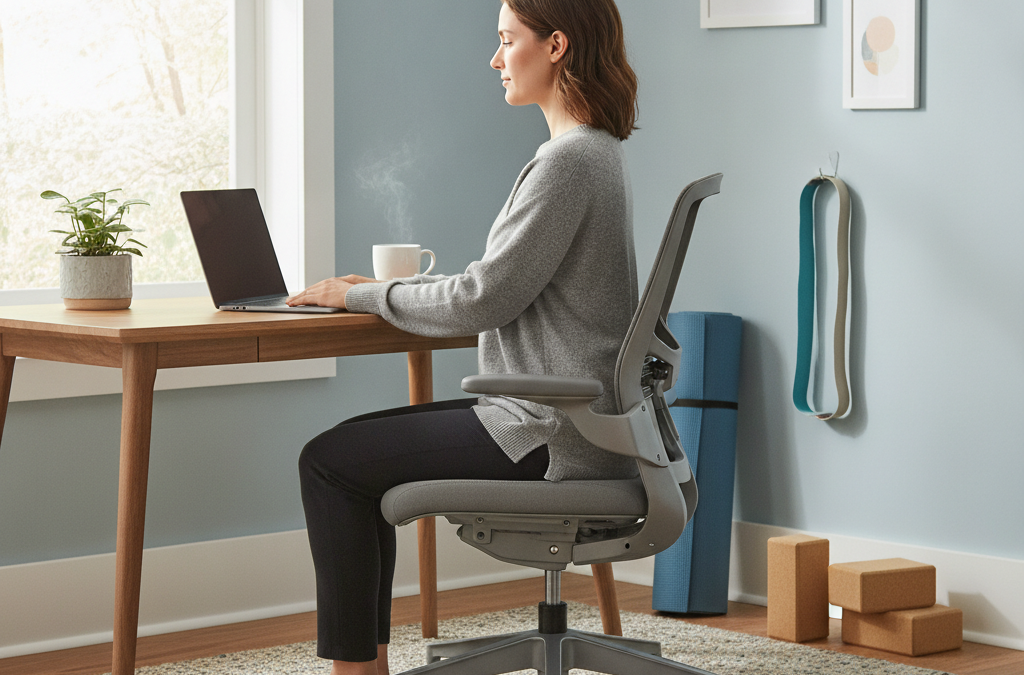
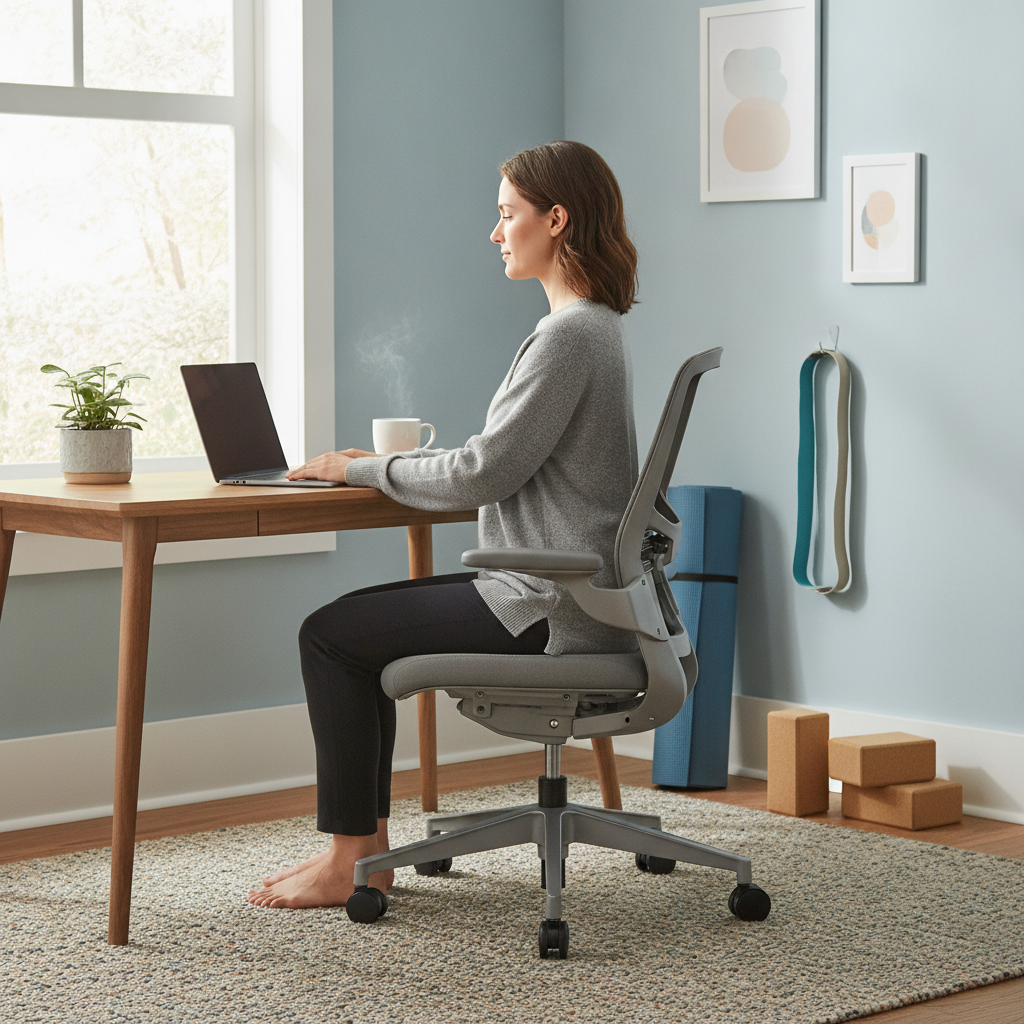
Good posture isn’t just about looking confident, it’s a foundational element of neck and spine health. When you sit with your shoulders rounded and head forward, it increases the load on your neck muscles and compresses the vertebrae. Over time, this can lead to muscle imbalances, reduced mobility, and discomfort that lingers even after you step away from your desk. Maintaining an upright posture with your ears aligned over your shoulders helps distribute weight evenly and reduces unnecessary strain. For those who spend long hours working at a screen, making small adjustments to your posture throughout the day can be a game-changer. If you’re unsure whether your setup is supporting healthy alignment, a Chiropractor in West Des Moines, IA can assess your posture and recommend personalized strategies to keep your neck in top condition.
Simple Desk Adjustments to Reduce Strain
Your desk setup plays a crucial role in preventing neck tension. The height of your monitor, the position of your chair, and even the placement of your keyboard can all contribute to how much strain your neck experiences during the workday. Ideally, your monitor should be at eye level, allowing you to look straight ahead without tilting your head. Your chair should support your lower back, and your feet should rest flat on the floor. Keeping your keyboard and mouse close helps you avoid reaching or hunching forward. Making these adjustments doesn’t require expensive equipment, often, small tweaks can make a big difference. For more targeted advice, resources like Chiropractic Strategies for Morning Back Stiffness and Reduced Mobility offer practical tips that can be easily implemented in any workspace, helping you maintain comfort and productivity.
The Role of Movement Breaks During Screen Time
Staying in one position for hours at a time can quickly lead to muscle fatigue and tension. Incorporating regular movement breaks into your day is one of the simplest and most effective ways to combat neck discomfort. Even short breaks, just a few minutes every hour, can help reset your posture and relieve built-up tension. Try standing up, stretching your arms overhead, or gently rolling your shoulders and neck. These small actions increase blood flow, reduce stiffness, and help prevent the accumulation of strain. For those who find it difficult to remember to move, setting a timer or using a reminder app can be helpful. If you’re interested in learning more about how movement supports spinal health, Understanding the Science Behind Spinal Decompression Therapy in West Des Moines provides valuable insights into the benefits of staying active, even during a busy workday.
Stretching Techniques to Ease Neck Tension
Regular stretching can be a powerful tool for relieving and preventing neck tension. Gentle neck stretches, such as tilting your head from side to side or looking over each shoulder, help maintain flexibility and reduce muscle tightness. Incorporating stretches for your shoulders and upper back can also support overall neck health. It’s important to move slowly and avoid forcing any movement, listen to your body and stop if you feel pain. For those new to stretching, starting with a few minutes each day can make a noticeable difference over time. Adding simple stretches to your daily routine not only helps with immediate relief but also supports long-term mobility. If you’re unsure where to start, consider asking a local wellness provider for a demonstration or look for guided videos that emphasize safe, effective techniques. Consistency is key to seeing improvement and keeping your neck comfortable throughout the day.
How Stress and Mental Fatigue Contribute to Neck Pain
Neck tension isn’t always caused by physical factors alone. Stress and mental fatigue can also play a significant role. When you’re under pressure or feeling overwhelmed, your body may unconsciously tense your neck and shoulder muscles. Over time, this chronic tension can lead to discomfort, headaches, and reduced mobility. Taking steps to manage stress, such as practicing deep breathing, mindfulness, or even short walks, can help relax your muscles and break the cycle of tension. Being aware of your stress levels and how they affect your posture can make it easier to intervene before pain develops. Many people find that combining stress management with physical strategies, like stretching and movement breaks, provides the best results. By addressing both the mental and physical aspects of neck tension, you can create a more holistic approach to well-being, especially during demanding workdays.
When to Seek Professional Help for Neck Discomfort
While many cases of neck tension can be managed with self-care, there are times when professional help is necessary. If your discomfort persists for more than a few days, worsens with movement, or is accompanied by symptoms like numbness, tingling, or weakness in your arms, it’s important to consult a healthcare provider. These signs could indicate an underlying issue that requires specialized attention. Chiropractors, physical therapists, and other wellness professionals can assess your condition and recommend targeted treatments to address the root cause of your pain. Early intervention often leads to better outcomes and can prevent minor issues from becoming chronic problems. Don’t hesitate to reach out if you’re unsure whether your symptoms are serious, getting an expert opinion can provide peace of mind and help you return to your daily activities with confidence.
Chiropractic Approaches to Managing Tech-Related Neck Issues
Chiropractic care offers a range of techniques to address neck tension caused by prolonged screen time. Chiropractors often use gentle spinal adjustments to restore proper alignment and relieve pressure on the muscles and nerves. They may also recommend targeted exercises, ergonomic advice, and lifestyle modifications to support long-term neck health. Many patients find that regular chiropractic visits help reduce the frequency and intensity of their discomfort, making it easier to stay productive at work. In addition to hands-on treatments, chiropractors can provide education on posture, movement, and self-care strategies tailored to your specific needs. This holistic approach addresses both the symptoms and underlying causes of neck tension, offering a comprehensive solution for those who spend significant time at a desk or computer. If you’re considering chiropractic care, look for a provider who understands the unique challenges of today’s digital lifestyle.
Comparing At-Home and In-Office Neck Care Strategies
There are many ways to manage neck tension, both at home and with professional support. At-home strategies include regular stretching, maintaining good posture, and making ergonomic adjustments to your workspace. These methods are effective for preventing and relieving mild discomfort. In-office care, such as chiropractic adjustments or physical therapy, can address more persistent or severe issues and provide personalized guidance. The table below highlights some key differences between these approaches, helping you decide which option best fits your needs. Remember, combining self-care with occasional professional check-ins often yields the best results for long-term neck health.
| At-Home Strategies | In-Office Care |
|---|---|
| Daily stretching routines | Spinal adjustments |
| Posture and ergonomic changes | Targeted therapy and exercises |
| Movement breaks during screen time | Personalized care plans |
| Stress management techniques | Professional assessment and advice |
Tips for Staying Comfortable During Long Work Sessions
Long work sessions can make it difficult to maintain good habits, but a few simple strategies can help you stay comfortable and focused. Start by setting up your workspace to support healthy posture, with your monitor at eye level and your chair adjusted for proper back support. Take frequent breaks to stretch and move, even if it’s just for a minute or two. Stay hydrated, as dehydration can contribute to muscle stiffness. Pay attention to your body’s signals, if you notice tension building, take a moment to reset your position or do a quick stretch. Using a supportive pillow or cushion can also make a difference during extended periods of sitting. By integrating these tips into your daily routine, you can reduce the risk of neck tension and maintain your productivity throughout the day.
Final Thoughts
Neck tension from screen time is a common challenge in today’s digital world, especially for small business owners, developers, and anyone who spends significant time at a computer. By understanding how screen habits impact your neck, recognizing early warning signs, and making proactive adjustments to your workspace and daily routine, you can take meaningful steps to prevent discomfort. Remember, good posture, regular movement, and mindful stress management are your best defenses against chronic neck issues. If you find that self-care strategies aren’t enough, don’t hesitate to reach out to a trusted wellness professional for personalized support. With the right approach, you can keep your neck healthy, stay productive, and enjoy greater comfort, both at work and beyond.