Back pain can disrupt every aspect of life, from running a business to enjoying time with family. For small business owners, developers, and anyone balancing a busy schedule, finding effective, non-invasive solutions is crucial. Spinal Decompression Therapy West Des Moines IA is gaining attention as a key component in non-surgical back pain management plans. But how does this therapy actually fit into a broader strategy for relief, and what makes it different from other options? In this article, we’ll explore how spinal decompression is integrated with other conservative approaches, what to expect from a comprehensive care plan, and how local residents can benefit from a tailored, step-by-step path to lasting relief. Whether you’re seeking to avoid surgery, reduce downtime, or simply get back to your best, understanding the role of spinal decompression could be the next step in your journey to a healthier back.
Why Non-Surgical Strategies Matter for Back Pain
For many people, the idea of surgery for back pain is daunting. Non-surgical options are often preferred because they come with fewer risks, less downtime, and can be tailored to fit a busy lifestyle. Approaches like physical therapy, chiropractic care, and non-surgical back pain relief provide a path to healing without the need for invasive procedures. These strategies focus on addressing the root causes of discomfort, promoting natural recovery, and preventing future issues. By choosing non-surgical methods, individuals can often maintain their daily routines and responsibilities, making it an especially attractive option for business owners and active professionals. The goal is not just symptom management, but long-term improvement in function and quality of life.
Understanding the Basics of Spinal Decompression Therapy
Spinal decompression therapy is a gentle, computer-controlled technique designed to relieve pressure on the spinal discs and nerves. Unlike traditional traction, this therapy uses precise adjustments to stretch and relax the spine in cycles, encouraging the movement of fluids, oxygen, and nutrients into the discs. This process can help reduce pain, improve mobility, and support the body’s natural healing mechanisms. Spinal Decompression Therapy West Des Moines IA is typically performed in a comfortable setting, with sessions lasting about 20 to 30 minutes. Patients remain fully clothed and can relax during the procedure. This therapy is suitable for a range of back conditions, including herniated discs, degenerative disc disease, and chronic lower back pain, making it a versatile tool in non-surgical care plans.
How Spinal Decompression Complements Other Therapies
A well-rounded back pain plan often combines multiple therapies for optimal results. Spinal decompression works synergistically with chiropractic adjustments, physical therapy, and targeted exercises. For example, after decompression sessions, some patients find it easier to perform stretches or strengthening routines recommended by their provider. This combination can accelerate recovery, enhance flexibility, and reduce the likelihood of recurring pain. Working with a Chiropractor in West Des Moines, IA allows for a coordinated approach, where each therapy supports the other. By integrating decompression with other conservative treatments, patients benefit from a comprehensive strategy tailored to their unique needs and goals, rather than a one-size-fits-all solution.
Comparing Spinal Decompression to Traction and Other Methods
It’s common to wonder how spinal decompression differs from traditional traction or other back pain therapies. While both aim to relieve pressure on the spine, decompression therapy uses advanced technology to deliver controlled, gentle cycles of stretching and relaxation. This allows for more precise targeting of problem areas and can be adjusted in real-time based on patient feedback. In contrast, traditional traction often applies a constant force, which may not suit everyone’s needs. For a deeper understanding of these differences, see Spinal Decompression vs. Traditional Traction: What Patients in West Des Moines Should Know. Exploring these options with a provider helps ensure the chosen method aligns with your health goals and comfort level.
Spinal Decompression for Disc-Related Back Issues
Disc problems, such as herniated or bulging discs, are a frequent cause of persistent back pain. Spinal decompression therapy is particularly effective in these cases because it helps create negative pressure within the disc, encouraging retraction of the bulge and promoting healing. This non-surgical approach can be a game-changer for those seeking to avoid invasive procedures. To learn more about this targeted benefit, visit How Spinal Decompression Therapy Supports Herniated Disc Recovery in West Des Moines, IA. By addressing the underlying disc issue, decompression therapy can provide lasting relief and help restore normal function, making it a valuable part of a comprehensive back care plan.
Personalizing Your Back Pain Management Plan
No two cases of back pain are exactly alike. That’s why the most effective management plans are personalized to fit each individual’s needs, lifestyle, and health history. Providers in the area often begin with a thorough assessment, including a review of symptoms, physical examination, and sometimes imaging studies. Based on this information, a tailored plan is created, which may include spinal decompression, manual therapy, exercise recommendations, and ergonomic advice. By customizing care, patients receive targeted interventions that address their specific challenges, whether it’s chronic discomfort from desk work or pain that flares up after physical activity. This personalized approach not only improves outcomes but also empowers individuals to take an active role in their recovery journey.
The Role of Movement and Lifestyle Adjustments
Movement is a cornerstone of back health, and lifestyle adjustments can make a significant difference in preventing and managing pain. Incorporating regular stretching, strengthening exercises, and posture awareness into daily routines supports the effects of spinal decompression and other therapies. Simple changes, like adjusting your workstation, taking frequent breaks, or using proper lifting techniques, can help minimize strain on the spine. Providers often offer practical guidance on integrating these habits into your day, making it easier to maintain progress between appointments. By pairing spinal decompression with proactive lifestyle choices, patients can build resilience and reduce the risk of future flare-ups, supporting a more active and comfortable life.
What to Expect During a Spinal Decompression Session
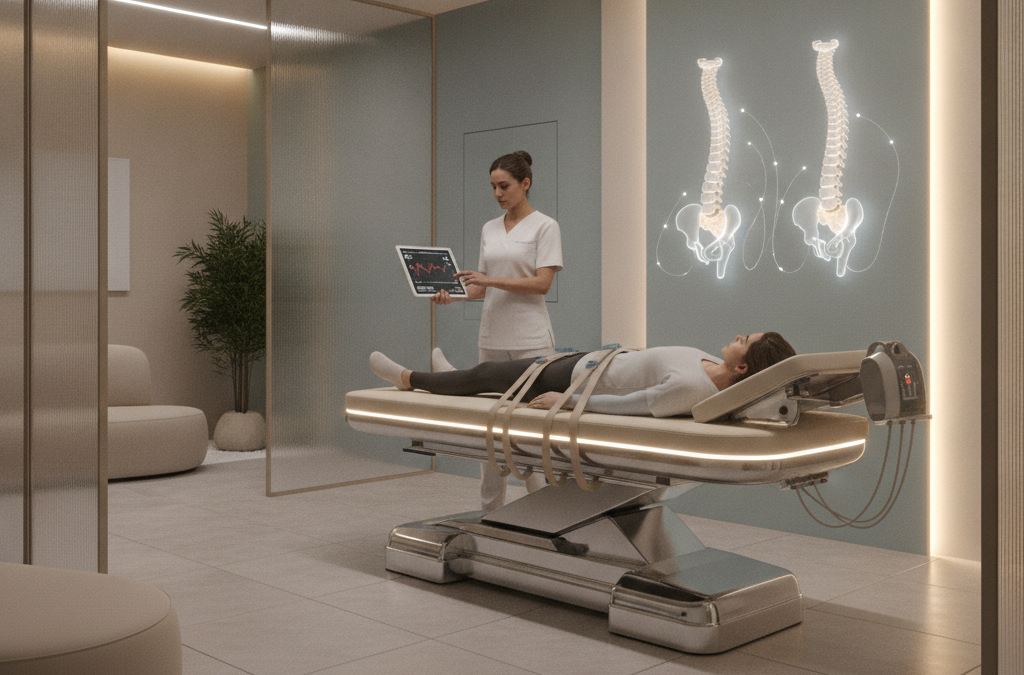
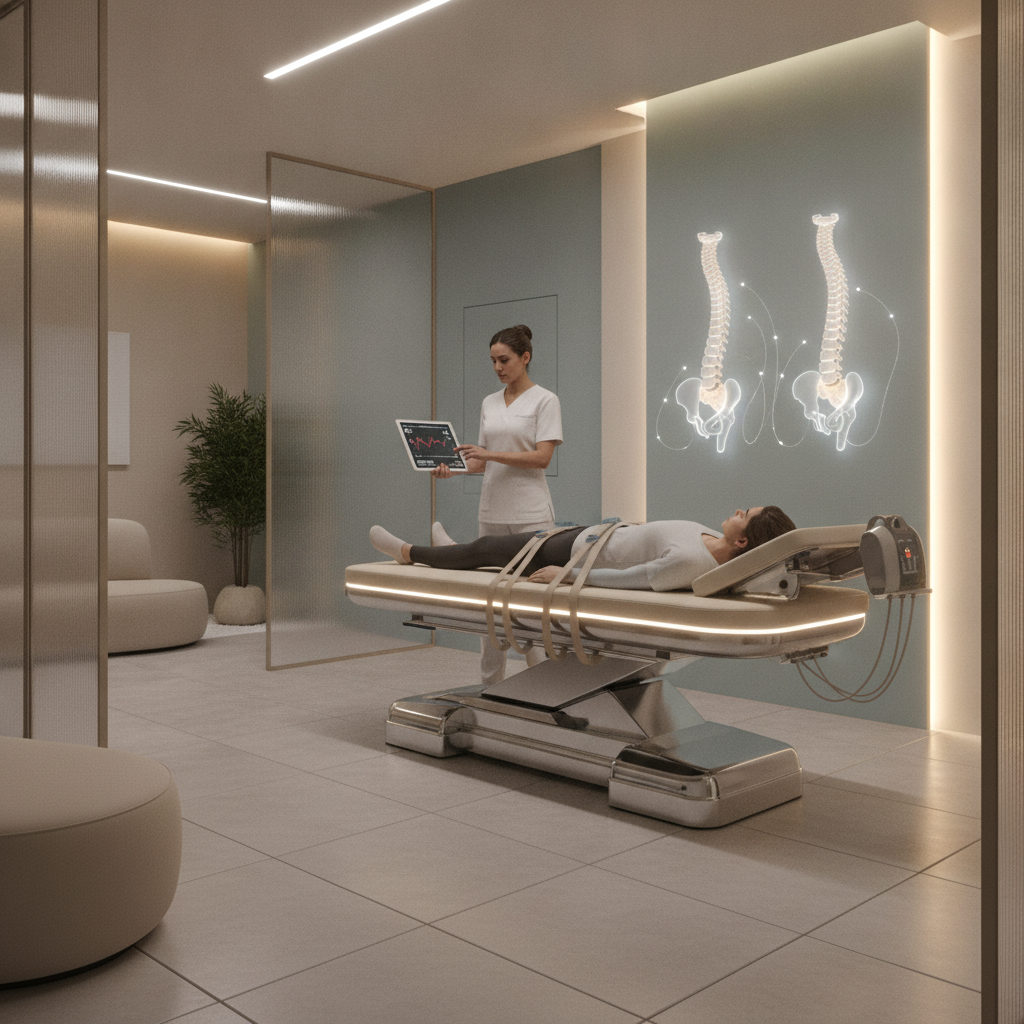
Understanding what happens during a spinal decompression session can ease any apprehension and help set realistic expectations. Typically, patients lie comfortably on a specialized table while the device gently stretches and relaxes the spine in cycles. The process is painless and many people find it relaxing. Sessions usually last between 20 and 30 minutes, and most plans recommend a series of treatments for best results. Providers monitor progress closely, making adjustments as needed to ensure safety and effectiveness. After each session, patients may experience reduced discomfort and improved mobility, with benefits often building over time. Open communication with your provider is encouraged, so you can address any questions or concerns as you progress through your care plan.
Common Myths About Spinal Decompression Therapy
Despite its growing popularity, several myths persist about spinal decompression therapy. Some believe it’s only for severe cases or that it replaces the need for all other treatments. In reality, decompression is suitable for a wide range of back issues and is most effective when integrated into a broader care plan. Another misconception is that results are instant or permanent after one session. While many patients notice improvement early on, lasting relief typically requires a series of treatments and ongoing self-care. By dispelling these myths, individuals can make more informed choices and set realistic expectations for their recovery process, leading to better outcomes and satisfaction with their care.
When to Consider Spinal Decompression in Your Plan
Deciding when to add spinal decompression to your back pain management plan depends on several factors. If conservative measures like rest, medication, or basic physical therapy haven’t provided sufficient relief, decompression may be a logical next step. It’s also a valuable option for those seeking to avoid surgery or reduce reliance on pain medications. Providers in this community can help determine if you’re a good candidate based on your symptoms, medical history, and goals. Early intervention can prevent minor issues from becoming chronic problems, while ongoing care can support long-term spinal health. Ultimately, the decision to include decompression should be made in partnership with a trusted provider, ensuring it aligns with your overall wellness strategy.
Comparing Non-Surgical Back Pain Solutions
| Therapy | How It Works | Best For | Typical Duration |
|---|---|---|---|
| Spinal Decompression | Gentle, computer-controlled stretching of the spine to relieve disc and nerve pressure | Herniated discs, chronic back pain, degenerative disc disease | 20–30 min per session, multiple sessions |
| Chiropractic Adjustments | Manual manipulation to improve spinal alignment and mobility | Joint restrictions, misalignments, acute pain episodes | 10–20 min per visit, varies by plan |
| Physical Therapy | Targeted exercises and stretches to build strength and flexibility | Muscle imbalances, post-injury recovery, prevention | 30–60 min per session, multiple weeks |
| Lifestyle Modifications | Ergonomic changes, posture training, activity adjustments | Prevention, chronic pain management, workplace comfort | Ongoing |
This table highlights how different non-surgical therapies can be combined or sequenced to create a comprehensive plan tailored to your needs. Discussing these options with your provider ensures you receive the most effective blend of treatments for your unique situation.
Key Takeaways
Integrating spinal decompression therapy into a non-surgical back pain plan offers a proactive, personalized path to relief for residents of this city and beyond. By combining this advanced technique with chiropractic care, physical therapy, and lifestyle adjustments, individuals can address the root causes of discomfort and support long-term spinal health. The key is working with a knowledgeable provider who can tailor a plan to your specific needs, monitor your progress, and adjust strategies as you heal. Whether you’re a business owner, developer, or simply someone seeking to stay active and pain-free, exploring non-surgical solutions like spinal decompression can help you regain control and enjoy a better quality of life. Remember, the best results come from a comprehensive, collaborative approach, so don’t hesitate to ask questions, set goals, and take an active role in your recovery journey.