If you’re searching for effective relief from stubborn back pain, you’ve probably come across both spinal decompression therapy and traditional traction. These two approaches may sound similar, but they offer different experiences, benefits, and outcomes, especially for residents and business owners in the area who want to stay active and productive. Understanding the differences is key to making an informed decision about your health. Spinal Decompression Therapy West Des Moines IA is gaining attention for its advanced technology and targeted results, but how does it compare to the tried-and-true method of traction? In this in-depth guide, we’ll break down what each therapy involves, how they work, who they’re best suited for, and what you can expect during treatment. Whether you’re a developer glued to a desk, a small business owner on your feet all day, or simply someone who wants to move with less pain, this article will help you confidently navigate your options and choose a path to better back health.
What Is Spinal Decompression Therapy?
Spinal decompression therapy is a non-surgical, computer-controlled treatment designed to gently stretch the spine and relieve pressure on discs, nerves, and other spinal structures. Unlike traditional traction, which relies on static pulling, decompression therapy uses precise, intermittent cycles of tension and relaxation. This approach aims to create a negative pressure within the spinal discs, encouraging the retraction of bulging or herniated material and promoting the flow of healing nutrients into the affected area.
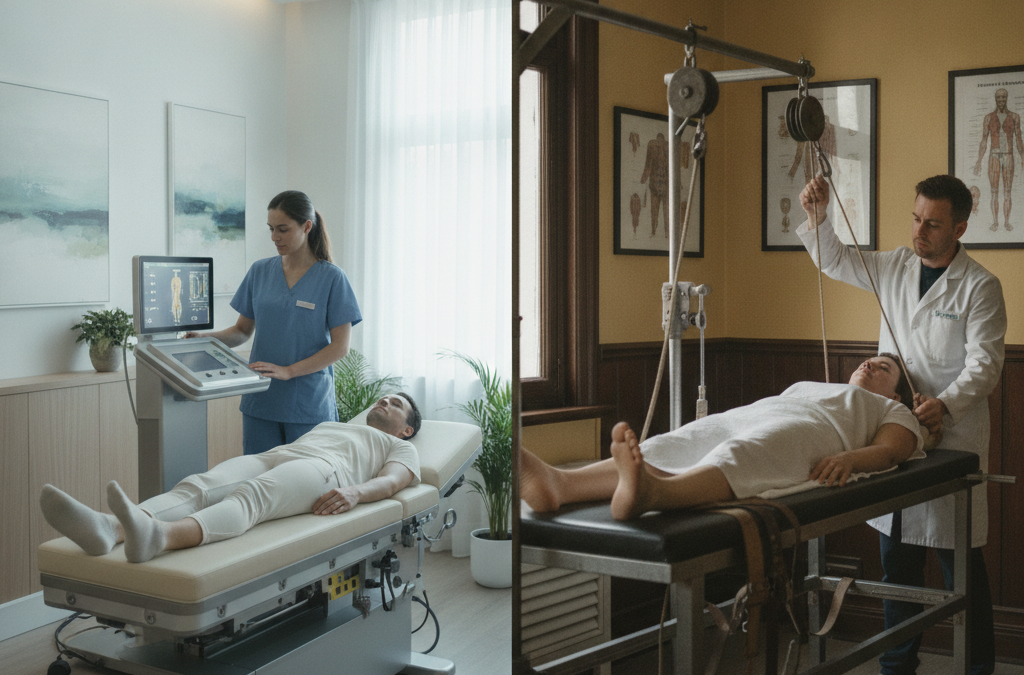
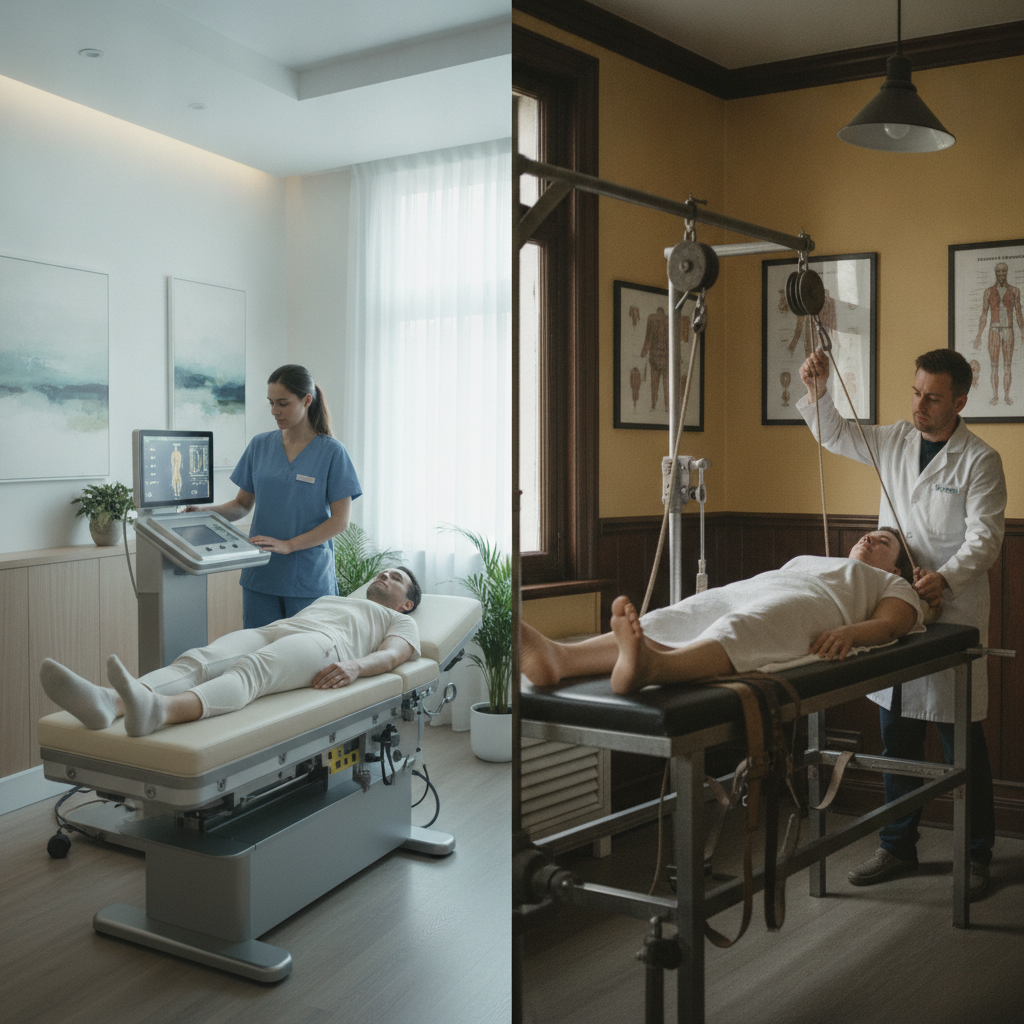
During a typical session, you’ll lie comfortably on a specialized table while a harness is fitted around your pelvis and trunk. The table’s motorized system, guided by a computer, applies gentle, calculated forces to your spine. These forces are carefully monitored and adjusted based on your body type, condition, and comfort level. The goal is to relieve pressure on compressed nerves, reduce disc bulges, and support your body’s natural healing processes.
Spinal decompression therapy is often recommended for conditions such as herniated discs, degenerative disc disease, sciatica, and chronic lower back pain. It’s a popular choice for individuals seeking a conservative, drug-free alternative to surgery or long-term medication. Many patients report a noticeable reduction in pain, improved mobility, and a greater ability to return to daily activities after a series of sessions.
For those considering this advanced approach, Complete Wellness Chiropractic offers a modern environment and experienced practitioners who can tailor decompression therapy to your unique needs.
Understanding Traditional Traction Techniques
Traditional traction is one of the oldest methods for addressing spinal discomfort. It involves applying a steady, sustained pull to the spine, either manually by a practitioner or with the help of mechanical devices. The core idea is to stretch the muscles and ligaments, create space between vertebrae, and reduce pressure on nerves and discs. Traction can be performed on the cervical (neck) or lumbar (lower back) regions, depending on the patient’s symptoms.
There are several types of traction, including manual traction, where a therapist uses their hands to gently stretch the spine, and mechanical traction, which uses weights, pulleys, or specialized tables. While traction can provide temporary relief from pain and muscle spasms, it does not use the same dynamic, computer-controlled adjustments found in spinal decompression therapy.
Traction is often used for conditions like muscle tightness, mild disc problems, and general spinal stiffness. However, it may not be as effective for more severe disc herniations or nerve compression. The experience is typically less high-tech and may require more frequent sessions to maintain results. Some patients find traction comfortable and relaxing, while others may experience discomfort if too much force is applied or if the treatment is not properly customized.
If you’re curious about how sleep and back pain are connected, and what options are available in the city, check out When Back Pain Starts Affecting Sleep: Chiropractic Options in West Des Moines, IA for more insights.
Key Differences Between Decompression and Traction
While both spinal decompression therapy and traditional traction aim to relieve back pain and improve spinal health, their methods and outcomes differ in several important ways. Decompression therapy is characterized by its use of advanced, computer-guided technology that precisely controls the force and timing of spinal stretching. This allows for intermittent cycles of tension and relaxation, which research suggests can more effectively reduce disc pressure and promote healing compared to the steady pull of traditional traction.
In contrast, traction relies on a constant or manually adjusted force, which may not be as finely tuned to the patient’s specific needs. While traction can be beneficial for general muscle relaxation and mild spinal issues, it may not address the underlying causes of chronic pain as comprehensively as decompression therapy. The comfort level during treatment also varies, many patients find decompression therapy to be more comfortable due to its gradual, adaptive approach.
Another key distinction lies in the intended outcomes. Decompression therapy is designed to create negative pressure within the discs, encouraging the retraction of herniated material and improving nutrient exchange. Traction, on the other hand, primarily focuses on stretching soft tissues and reducing muscle spasms, with less emphasis on disc healing.
For those interested in supporting daily back mobility and exploring natural approaches, Natural Ways a West Des Moines Chiropractor May Support Daily Back Mobility offers practical tips and strategies.
How Spinal Decompression Therapy Works
Spinal decompression therapy uses a sophisticated table and computer system to apply targeted, controlled forces to the spine. The treatment begins with a thorough assessment to determine the ideal settings for your body type and condition. Once you’re comfortably positioned, the table’s harness system gently secures your pelvis and upper body. The computer then guides the table through cycles of gentle stretching and relaxation, carefully calibrated to minimize discomfort and maximize effectiveness.
The decompression process is designed to create a vacuum effect within the spinal discs. This negative pressure helps draw bulging or herniated disc material back into place, relieving pressure on nerves and reducing inflammation. In addition, the cycles of tension and release enhance blood flow and nutrient delivery to the discs, supporting their natural repair mechanisms.
Sessions typically last between 20 and 45 minutes, and most patients require a series of treatments to achieve optimal results. The procedure is non-invasive, with minimal risk of side effects when performed by a trained professional. Many people report feeling relaxed during the session, with a gradual reduction in pain and stiffness over time. Spinal decompression therapy is often integrated into a broader care plan that may include exercise, lifestyle modifications, and other supportive therapies.
The Science Behind Traction Therapy
Traction therapy works on the principle of mechanical stretching. By applying a steady pull to the spine, traction aims to increase the space between vertebrae, reduce pressure on the discs, and relax tight muscles. This can temporarily relieve pain caused by nerve compression or muscle spasms. Manual traction is performed by a skilled practitioner who uses their hands to gently stretch the spine, while mechanical traction involves devices such as tables, pulleys, or weights.
The effectiveness of traction varies depending on the underlying condition and the technique used. While it can provide short-term relief for certain types of back and neck pain, research suggests that its benefits may not be as long-lasting or comprehensive as those offered by spinal decompression therapy. Traction does not create the same negative pressure within the discs, so its ability to facilitate disc healing is more limited.
Nevertheless, traction remains a valuable tool in the management of mild to moderate musculoskeletal issues. It is often used as part of a broader rehabilitation program, especially for individuals who cannot tolerate more intensive treatments. The simplicity and accessibility of traction make it a common choice in many physical therapy and chiropractic settings.
Comparing Patient Experiences and Comfort
When deciding between spinal decompression therapy and traditional traction, patient comfort and experience play a significant role. Spinal decompression therapy is often described as gentle and relaxing, thanks to its gradual, computer-controlled movements. The treatment table is designed for comfort, with padded surfaces and adjustable settings to accommodate different body types. Most patients can relax, listen to music, or even nap during their session.
In contrast, traditional traction can feel more mechanical or static. Some individuals find the steady pull soothing, while others may experience discomfort if the force is too intense or if the equipment is not properly adjusted. Manual traction offers a more personalized touch, but results can vary depending on the practitioner’s skill and technique.
Feedback from patients who have tried both therapies suggests that decompression therapy is generally preferred for its comfort and perceived effectiveness, especially for those with chronic or severe disc issues. However, personal preference, underlying health conditions, and treatment goals should all be considered when choosing the right approach for you.
Who Is a Good Candidate for Each Therapy?
Not every patient is suited for both spinal decompression and traditional traction. The choice depends on your diagnosis, medical history, and treatment objectives. Spinal decompression therapy is often recommended for individuals with herniated or bulging discs, degenerative disc disease, sciatica, or chronic nerve compression. It’s especially suitable for those who have not found relief through other conservative treatments and want to avoid surgery or long-term medication use.
Traditional traction may be a better fit for people with mild to moderate muscle tightness, joint stiffness, or non-specific back pain. It’s also a good option for those who prefer a simpler, hands-on approach or who may not be candidates for decompression therapy due to certain medical conditions. However, traction is generally not recommended for individuals with severe osteoporosis, spinal fractures, or advanced degenerative changes.
A thorough evaluation by a qualified healthcare provider is essential to determine which therapy is most appropriate for your needs. Factors such as age, activity level, and overall health will all influence the decision-making process. In some cases, a combination of therapies may be used to achieve the best results.
What to Expect During Your First Session
Your first session, whether for spinal decompression therapy or traditional traction, will begin with a comprehensive assessment. The practitioner will review your medical history, discuss your symptoms, and perform a physical examination. This helps determine the most suitable treatment plan and ensures your safety and comfort throughout the process.
For spinal decompression therapy, you’ll be positioned on the specialized table and fitted with harnesses. The practitioner will program the computer with your specific parameters, and the table will begin its gentle cycles of stretching and relaxation. You should feel a comfortable, controlled pull on your spine, with minimal discomfort. The session typically lasts 20 to 45 minutes, and you may be advised to rest briefly afterward.
In a traditional traction session, the process may involve manual stretching by a therapist or the use of mechanical devices. The sensation is more static, and the duration may vary depending on your condition and response to treatment. Communication with your provider is key, always let them know if you experience any discomfort or have concerns during the session.
After your first visit, your practitioner will discuss the recommended frequency and duration of future sessions, as well as any additional therapies that may support your recovery.
Potential Risks and Safety Considerations
Both spinal decompression therapy and traditional traction are generally considered safe when performed by trained professionals. However, as with any medical treatment, there are potential risks and contraindications to be aware of. Spinal decompression therapy should not be used in individuals with certain conditions, such as severe osteoporosis, spinal fractures, tumors, or infections. Pregnant women and those with implanted medical devices may also be advised against this therapy.
Traditional traction carries similar precautions. Excessive force or improper technique can lead to muscle strains, increased pain, or, in rare cases, nerve injury. It’s important to communicate openly with your provider about any discomfort or unusual sensations during treatment. A thorough evaluation and clear understanding of your medical history will help minimize the risk of complications.
If you have any underlying health concerns, always consult with your primary care provider or a specialist before beginning any new therapy. Your safety and well-being should be the top priority in any treatment plan.
Comparing Outcomes: What Does the Research Say?
Research into the effectiveness of spinal decompression therapy and traditional traction continues to evolve. Several studies suggest that decompression therapy may offer greater relief for patients with herniated discs, chronic nerve compression, and certain types of lower back pain. The intermittent, controlled stretching appears to be more effective at reducing disc pressure and promoting healing compared to static traction.
Traditional traction, while beneficial for short-term symptom relief, may not provide the same long-lasting results for more complex spinal conditions. However, it remains a valuable tool for managing mild back pain, muscle spasms, and joint stiffness. The choice between therapies often depends on the specific diagnosis, patient preferences, and the provider’s expertise.
It’s important to note that individual outcomes can vary widely. Factors such as age, overall health, and adherence to the recommended treatment plan all play a role in the success of therapy. Combining decompression or traction with other interventions, such as exercise, ergonomic adjustments, and lifestyle changes, can enhance results and support long-term spinal health.
| Feature | Spinal Decompression Therapy | Traditional Traction |
|---|---|---|
| Technology Used | Computerized, motorized table | Manual or mechanical devices |
| Type of Force | Intermittent, controlled cycles | Steady, sustained pull |
| Primary Goals | Reduce disc pressure, promote healing | Stretch muscles, relieve spasms |
| Patient Comfort | Generally gentle and relaxing | Varies, can be less comfortable |
| Best For | Disc issues, nerve compression | Muscle tightness, mild pain |
Making the Right Choice in West Des Moines
Choosing between spinal decompression therapy and traditional traction can feel overwhelming, especially with so much information available. For residents and business owners in West Des Moines, it’s important to consider your specific symptoms, lifestyle, and treatment goals. Consulting with a knowledgeable provider who understands both therapies will help you make an informed decision that aligns with your needs.
Remember, the most effective approach is one that addresses the root cause of your pain, supports your overall health, and fits comfortably into your daily routine. Ask questions, explore your options, and don’t hesitate to seek a second opinion if you’re unsure. Your journey to better back health starts with understanding your choices and taking an active role in your care.
Final Thoughts
Navigating the world of spinal therapies doesn’t have to be confusing. By understanding the differences between spinal decompression therapy and traditional traction, you can make choices that support your long-term health and well-being. Whether you’re seeking advanced, targeted relief or prefer a more traditional approach, both therapies have their place in modern care. Consult with a trusted provider in your community, weigh the pros and cons, and take proactive steps toward a pain-free, active lifestyle. Your back deserves the best, choose the path that’s right for you and keep moving forward with confidence.