
Back pain is an issue that can disrupt anyone’s daily life, whether you’re running a business, working at a desk, or simply trying to keep up with your family. When you visit a chiropractor for back pain in West Des Moines IA, you might wonder what exactly happens during your exam and why each step matters. This article takes you inside the process, highlighting what a chiropractor looks for, the subtle signs they notice, and how a thorough evaluation can shape your care plan. By understanding the exam process, you’ll be better prepared to advocate for your own health and make informed decisions about your back pain treatment options. Let’s explore what sets a chiropractic back pain assessment apart and how it can help you get back to feeling your best.
Initial Questions: Understanding Your Back Pain Story
The first step in any chiropractic back pain exam is a detailed conversation about your symptoms and history. Your chiropractor will ask about the onset, duration, and character of your pain, as well as any activities that make it better or worse. This isn’t just small talk, it’s the foundation for a targeted assessment. They’ll also discuss your work environment, daily habits, and any previous injuries or treatments you’ve tried. By piecing together your personal back pain story, a chiropractor can start to identify patterns and possible causes that might not be obvious at first glance. This patient-centered approach ensures your care is tailored to your unique needs. For those seeking a trusted local provider, Complete Wellness Chiropractic is known for their thorough and compassionate intake process.
Posture and Alignment: What Your Stance Reveals
After discussing your history, the chiropractor will observe your posture and alignment. This visual check can reveal a lot about underlying issues. Are your shoulders level? Does your spine curve or tilt? Even subtle imbalances can put extra strain on your back. The chiropractor may ask you to stand, walk, and perform simple movements to see how your body responds. They’re watching for compensations, like shifting weight to one side or favoring a particular movement. These clues help pinpoint whether your pain is linked to structural misalignments, muscle imbalances, or habitual patterns. A careful look at your posture sets the stage for a more focused back pain assessment and helps guide the next steps of your exam.
Palpation: Hands-On Detection of Trouble Spots
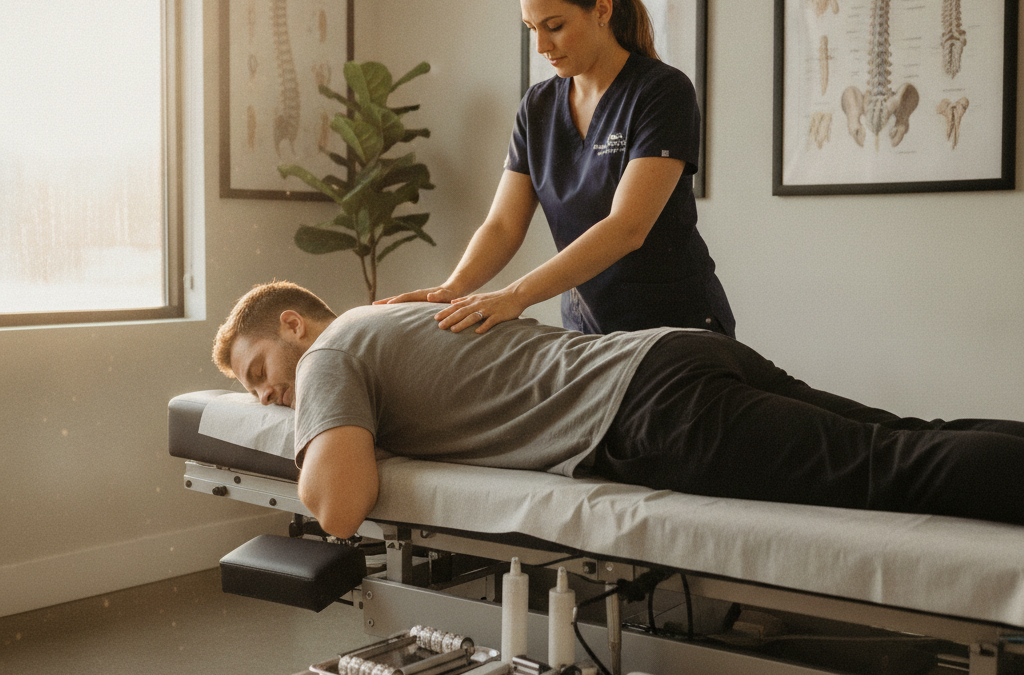
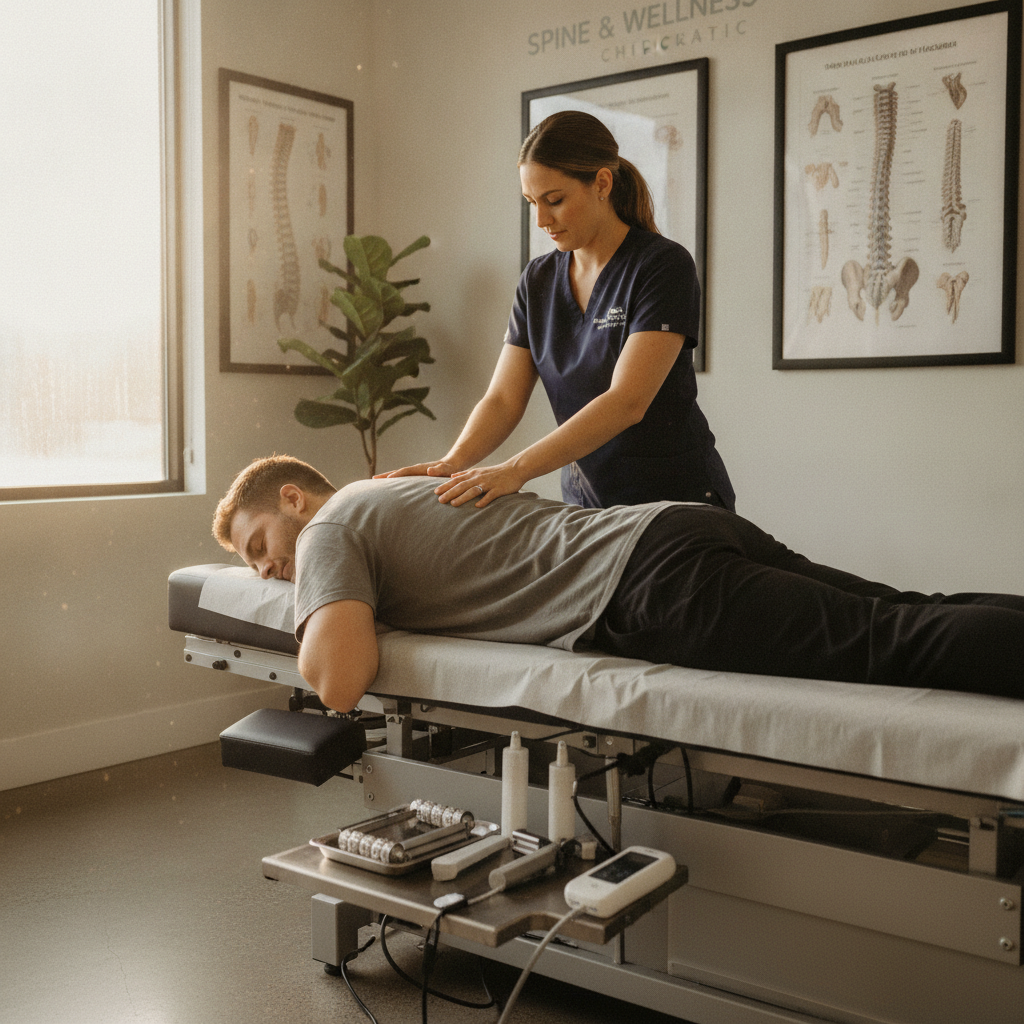
Palpation is a hands-on technique where the chiropractor gently presses along your spine and surrounding muscles. This allows them to feel for areas of tightness, tenderness, swelling, or abnormal movement. Palpation can uncover trigger points or knots that may not be visible but are contributing to your discomfort. The chiropractor will also check for temperature differences, which can indicate inflammation. This tactile feedback is invaluable for identifying which segments of the spine are restricted or out of alignment. In some cases, the chiropractor may compare both sides of your back to detect asymmetries. These findings help confirm or refine the initial impressions from your posture check. If you’re searching for a Chiropractor in West Des Moines, IA who prioritizes thorough hands-on evaluation, this step is a critical part of the process.
Range of Motion: Testing Flexibility and Function
Assessing your range of motion helps the chiropractor understand how your back is functioning in real time. You may be asked to bend forward, backward, and side to side, or to rotate your torso. The chiropractor observes how far you can move before pain or stiffness sets in, as well as the quality of your movements. Are they smooth or jerky? Is there hesitation or guarding? These details provide insight into which structures are restricted and whether your pain is mechanical or possibly related to nerve involvement. Range of motion testing also establishes a baseline for tracking progress over time. For more insight into how tightness can signal deeper issues, see When a Tight Lower Back Signals a Deeper Alignment Problem.
Neurological Checks: Ensuring Nerves Are Healthy
A comprehensive back pain exam often includes basic neurological tests. The chiropractor may check your reflexes, muscle strength, and sensation in your legs and feet. This helps rule out or identify nerve compression, which can cause symptoms like numbness, tingling, or weakness. Even if your main complaint is muscle soreness, these checks are important for catching underlying issues early. If symptoms suggest nerve involvement, the chiropractor may recommend further testing or a referral to another specialist. Understanding the reasons behind recurring discomfort is crucial, explore more in Why Back Pain Returns After Rest: A Chiropractic Perspective.
Functional Movement: Real-World Motion Matters
Beyond basic range of motion, chiropractors often evaluate how you move during everyday activities. This might include squatting, lifting, or reaching, depending on your lifestyle and job demands. By observing these real-world motions, the chiropractor can spot dysfunctional movement patterns that may be contributing to your pain. For example, if you habitually bend with a rounded back or twist awkwardly, these habits can strain your spine over time. The insights gained from functional movement testing help customize your care plan, ensuring recommendations are practical for your daily routine. This approach is especially valuable for small business owners and professionals who face unique physical challenges at work.
Orthopedic Tests: Pinpointing the Source of Pain
Orthopedic tests are specialized maneuvers that help determine which structures are causing your discomfort. These may include gentle pressure, stretching, or resistance applied to your back, hips, or legs. Each test is designed to isolate specific joints, muscles, or nerves. For instance, the straight leg raise can indicate sciatic nerve involvement, while other tests may reveal issues with the sacroiliac joint or lumbar discs. The chiropractor interprets your responses to these tests, such as pain, stiffness, or weakness, to narrow down the list of possible causes. Orthopedic testing is a key step in building a precise diagnosis and avoiding one-size-fits-all treatment plans.
When Imaging Is Considered
While many back pain cases can be assessed with a thorough physical exam, sometimes chiropractors recommend imaging such as X-rays or MRI. This is typically reserved for situations where there are signs of more serious conditions, like trauma, unexplained weight loss, or neurological deficits. Imaging can help confirm a suspected diagnosis or rule out structural problems that might require a different approach. However, most chiropractors use imaging judiciously, preferring to rely on clinical findings unless there’s a clear reason for further investigation. This careful approach helps avoid unnecessary exposure and expense for patients in the area.
Table: Key Elements of a Chiropractic Back Pain Exam
| Exam Element | Purpose | What It Can Reveal |
|---|---|---|
| History & Interview | Gather background and symptom details | Patterns, triggers, risk factors |
| Posture Observation | Assess alignment and balance | Imbalances, compensations |
| Palpation | Feel for tenderness or tightness | Trigger points, inflammation |
| Range of Motion | Test flexibility and pain limits | Restrictions, pain with movement |
| Neurological Checks | Screen for nerve involvement | Numbness, weakness, reflex changes |
| Orthopedic Tests | Isolate specific structures | Disc, joint, or muscle issues |
| Functional Movement | Evaluate real-world motion | Movement patterns, daily risks |
| Imaging (if needed) | Confirm or rule out diagnoses | Structural abnormalities |
How Chiropractors Personalize Back Pain Care
No two people experience back pain in exactly the same way, so chiropractors use the information gathered during your exam to craft a personalized care plan. This might include spinal adjustments, targeted exercises, ergonomic advice, or lifestyle recommendations. The goal is to address both the immediate pain and the underlying factors that contribute to it. By tailoring care to your specific needs and goals, chiropractors can help you achieve better, longer-lasting results. Personalization is especially important for residents with demanding jobs or active lifestyles, as it ensures your treatment fits your real-world challenges.
The Role of Patient Education in Lasting Relief
Education is a cornerstone of effective chiropractic care. During your exam and follow-up visits, your chiropractor will explain what they find and why it matters. You’ll learn about the mechanics of your spine, how certain movements or habits affect your back, and what you can do to support your recovery. This empowers you to take an active role in your health, make informed choices, and reduce the risk of future flare-ups. For small business owners and busy professionals, understanding the “why” behind your care can make it easier to stick with recommended changes and achieve lasting relief.
What to Expect After Your Exam
After your initial back pain exam, the chiropractor will review their findings with you and outline a recommended plan of action. This may include a schedule of visits, suggested exercises, and tips for modifying your workspace or daily routine. You’ll have the opportunity to ask questions and discuss any concerns. Many people feel reassured after learning the specific factors contributing to their pain and how they can address them. Ongoing communication and periodic re-evaluations help track your progress and make adjustments as needed, ensuring your care remains effective and relevant to your goals.
Key Takeaways
A chiropractic back pain exam is much more than a quick check, it’s a comprehensive process designed to uncover the real sources of your discomfort and guide you toward lasting relief. From the initial interview to hands-on assessment and functional movement tests, every step is tailored to your unique needs and lifestyle. Whether you’re a small business owner, developer, or simply someone seeking to move freely again, understanding what your chiropractor looks for can help you get the most from your care. By choosing a provider who values thoroughness and patient education, you’re taking a proactive step toward a healthier, more comfortable future. Remember, effective back pain care is about more than just symptom relief, it’s about empowering you to live and work at your best, right here in this community.