
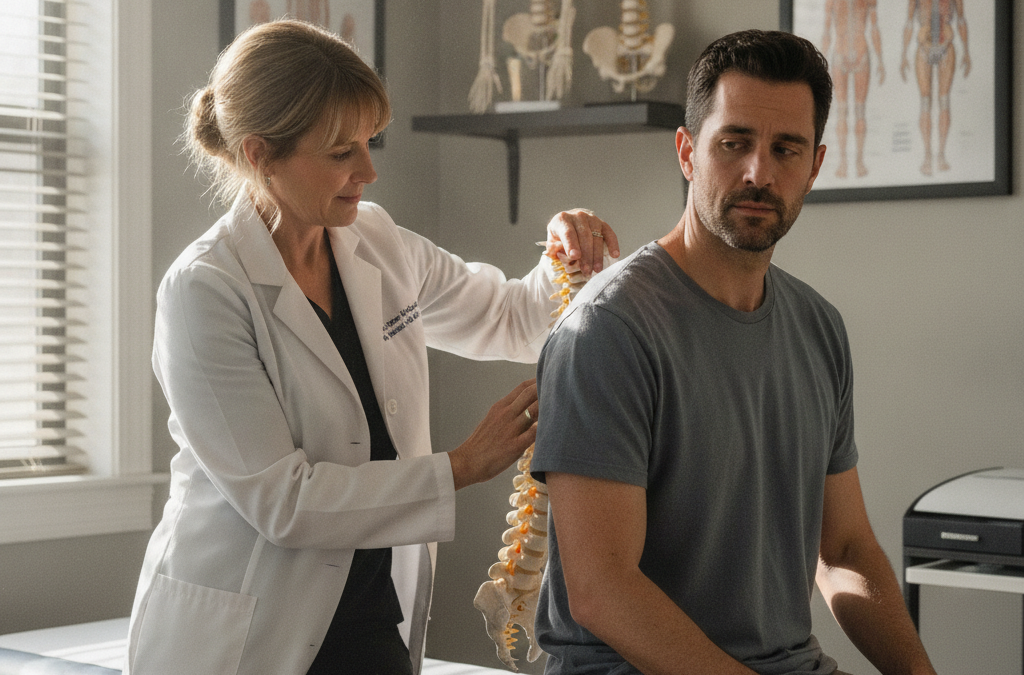

Back pain is a stubborn companion for many people, especially those who juggle demanding work, family responsibilities, and active lifestyles. If you’ve ever noticed your back pain returning after a period of rest, you’re not alone. This frustrating cycle often leads people to search for solutions like a Chiropractor for Back Pain West Des Moines IA. But why does back pain seem to come back just when you think you’ve gotten relief? In this article, we’ll explore the chiropractic perspective on why rest doesn’t always equal recovery, the underlying causes of recurring pain, and what steps you can take to break the cycle. Whether you’re a small business owner, developer, or simply someone seeking answers, understanding the real reasons behind your recurring back pain can help you make smarter choices for your health and daily routine.
Why Rest Alone Rarely Solves Back Pain
Many people believe that taking it easy is the fastest way to recover from back pain. While rest can help during the acute phase of an injury, it rarely addresses the root causes of recurring discomfort. Prolonged inactivity may actually weaken the muscles that support your spine, making you more prone to pain when you return to normal activities. This is why so many individuals find that their symptoms return as soon as they resume work, chores, or exercise. In fact, a period of rest can sometimes mask the underlying issues, such as muscle imbalances, joint restrictions, or poor posture. Consulting a Chiropractor for Back Pain West Des Moines IA can help you identify and correct these hidden contributors to pain, rather than simply managing symptoms through rest alone.
The Role of Spinal Mobility in Lasting Relief
Spinal mobility refers to how well your vertebrae and surrounding tissues move together. When your spine becomes stiff from inactivity, it can lead to increased pressure on certain joints and muscles. This lack of movement often results in pain returning after rest, as your body isn’t able to distribute stress evenly. Chiropractic care focuses on restoring natural movement patterns, which is why chiropractic care for back pain often includes adjustments and targeted exercises. These interventions help keep your spine flexible and resilient, reducing the likelihood that pain will resurface once you’re active again. By addressing mobility, chiropractors aim to create long-term changes rather than temporary fixes.
How Muscle Imbalances Contribute to Recurring Pain
Muscle imbalances develop when certain muscles become overactive while others weaken due to lack of use. This is common among people who spend long hours sitting at a desk or standing in one position. When you rest, these imbalances don’t correct themselves, in fact, they may worsen. The result is a return of pain as soon as you resume your daily routine. A Chiropractor in West Des Moines, IA can assess your muscle function and prescribe corrective exercises to restore balance. By strengthening weak muscles and releasing tension in overworked areas, chiropractic care targets the underlying patterns that cause pain to return, rather than just treating the symptoms.
Morning Stiffness and the Impact of Prolonged Rest
Have you ever woken up with a stiff, aching back that seems to ease as you move around? This is a classic sign that rest alone isn’t enough to resolve back pain. Overnight, your body stays mostly still, and fluids can accumulate around your spinal joints, leading to temporary stiffness. For many, this discomfort fades with gentle movement, but if underlying issues aren’t addressed, the cycle repeats daily. Learning about Chiropractic Strategies for Morning Back Stiffness and Reduced Mobility can help you develop routines that keep your back healthy, even after periods of inactivity. Simple stretches, mobility exercises, and chiropractic adjustments can all play a role in breaking the pattern of recurring morning pain.
Why Combining Therapies Can Enhance Recovery
Chiropractic care is most effective when it’s part of a comprehensive approach to back pain. Rest alone may provide temporary relief, but combining therapies can address both the symptoms and the root causes. For example, spinal decompression, soft tissue work, and rehabilitative exercises can work together to restore function and prevent pain from returning. To understand how these methods complement each other, explore Why Spinal Decompression Is Often Combined With Other Chiropractic Therapies. By integrating multiple strategies, chiropractors help patients achieve lasting results and reduce the risk of recurring discomfort.
Understanding the Body’s Adaptation to Inactivity
The human body is remarkably adaptable, but this can be a double-edged sword when it comes to back pain. When you rest for extended periods, your body adapts by reducing muscle tone and joint mobility. This adaptation may feel comfortable at first, but it leaves you less prepared for the physical demands of daily life. As soon as you become active again, your back may not be ready for the load, leading to a return of pain. Regular movement, even while resting, is essential for maintaining spinal health. Gentle stretching, posture changes, and periodic walks can help counteract the negative effects of inactivity and support long-term recovery.
The Hidden Role of Stress in Recurring Back Pain
Stress is a common but often overlooked factor in persistent back pain. Mental and emotional stress can cause muscles to tense up, especially in the neck, shoulders, and lower back. During periods of rest, you may not notice this tension, but it can quickly resurface once you return to your regular activities. Chronic stress also affects your body’s ability to heal, making it harder to recover fully from injuries. Incorporating stress management techniques, such as deep breathing, mindfulness, or gentle exercise, can help break the cycle of recurring pain. Chiropractic care often includes education on how to reduce stress and its impact on your musculoskeletal system.
How Daily Habits Influence Recovery and Relapse
Your daily habits play a significant role in whether back pain returns after rest. Poor posture, repetitive movements, and lack of regular exercise can all contribute to recurring discomfort. Even small habits, like slouching at your desk or carrying a heavy bag on one shoulder, can create imbalances that lead to pain. Making conscious changes to your routine, such as setting reminders to stretch, adjusting your workstation, or taking regular breaks, can support your recovery and reduce the risk of relapse. Chiropractors often work with patients to identify and modify these habits, creating a personalized plan for lasting relief.
Recognizing When Rest Is Necessary vs. When to Move
It’s important to distinguish between the need for rest and the benefits of movement. In some cases, such as after a significant injury or during acute inflammation, rest is essential for healing. However, most cases of back pain benefit from gentle, progressive movement as soon as it’s safe. Chiropractors can help you determine the right balance based on your specific condition. They may recommend a phased approach, starting with rest and gradually introducing movement and therapeutic exercises. This tailored strategy helps prevent the cycle of pain returning after rest and supports a more complete recovery.
A Closer Look: Common Triggers for Recurring Back Pain
Recurring back pain often has multiple triggers, many of which are related to everyday activities. Lifting objects incorrectly, sudden movements, or even prolonged sitting can all reignite discomfort after a period of rest. The table below highlights some of the most common triggers and suggestions for prevention. Understanding these factors can empower you to make proactive changes and reduce the likelihood of pain returning.
| Trigger | Prevention Tip |
|---|---|
| Poor lifting technique | Bend at the knees, keep objects close to your body |
| Prolonged sitting | Take breaks every 30–60 minutes to stand and stretch |
| Sudden twisting or bending | Move slowly and avoid jerky motions |
| Weak core muscles | Incorporate core strengthening exercises into your routine |
| Incorrect posture | Adjust your workstation and monitor your posture throughout the day |
When to Seek Professional Help Locally
If your back pain keeps returning despite rest, it may be time to consult a professional in the area. Persistent discomfort can signal underlying issues that require expert assessment and targeted care. Chiropractors are trained to identify the root causes of pain, develop personalized treatment plans, and guide you through exercises and lifestyle changes that support recovery. Don’t wait for pain to become a constant companion, early intervention can prevent minor issues from becoming chronic problems. Residents of this community have access to skilled practitioners who can help you break the cycle and regain control of your health.
Final Thoughts
Recurring back pain after rest is a challenge faced by many, but it doesn’t have to be a permanent part of your life. Understanding the interplay between rest, movement, muscle balance, and daily habits is key to finding lasting relief. While rest has its place, it’s rarely a complete solution. By taking a proactive approach, incorporating movement, addressing muscle imbalances, managing stress, and seeking professional guidance, you can break the cycle of pain and enjoy greater comfort in your everyday activities. If you’re ready to move beyond temporary fixes, consider working with a chiropractor who can help you create a sustainable plan for back health. Your journey to a pain-free life starts with understanding your body and making informed choices every day.