
For many people, the ability to move comfortably throughout the day is something they only appreciate once it becomes difficult. Whether you’re a small business owner managing a busy schedule, a developer spending hours at a desk, or someone simply wanting to enjoy a more active lifestyle, daily mobility matters. Spinal Decompression Therapy West Des Moines IA has become a popular topic for those seeking solutions to stiffness, discomfort, or restricted movement. But what exactly is the link between spinal decompression and better daily mobility? In this article, we’ll explore how this therapy can influence your flexibility, posture, and overall quality of life. We’ll dive into the science behind decompression, practical benefits for everyday routines, and what to expect if you’re considering this care. Let’s discover how unlocking your spine’s potential can help you move more freely and confidently each day.
How Spinal Decompression Supports Everyday Movement
Spinal decompression is designed to relieve pressure on the discs and joints of the spine. When these structures are compressed, movement can become stiff, painful, or limited. By gently stretching the spine, decompression therapy creates negative pressure within the discs, encouraging the flow of nutrients and fluids. This process helps restore flexibility and makes it easier to perform daily tasks like bending, reaching, or twisting. For those who struggle with morning stiffness or find it hard to get comfortable at their desk, the benefits of spinal decompression can be felt throughout the day. Improved spinal mobility often translates to better posture and less fatigue, making it possible to keep up with work, hobbies, and family activities with less discomfort.
What to Expect From Spinal Decompression Therapy in West Des Moines
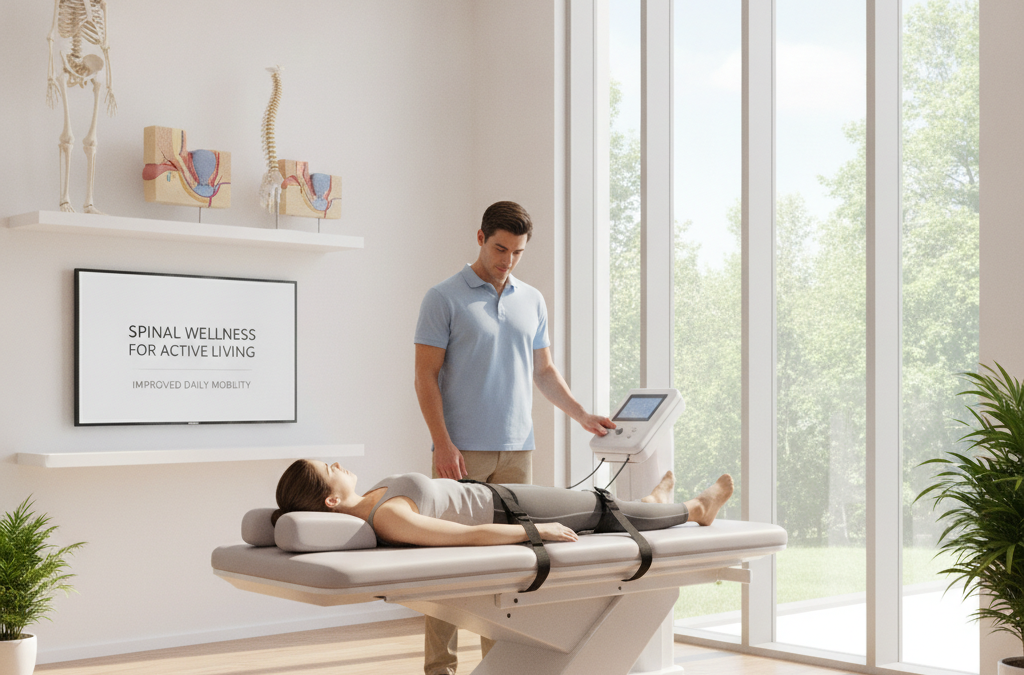
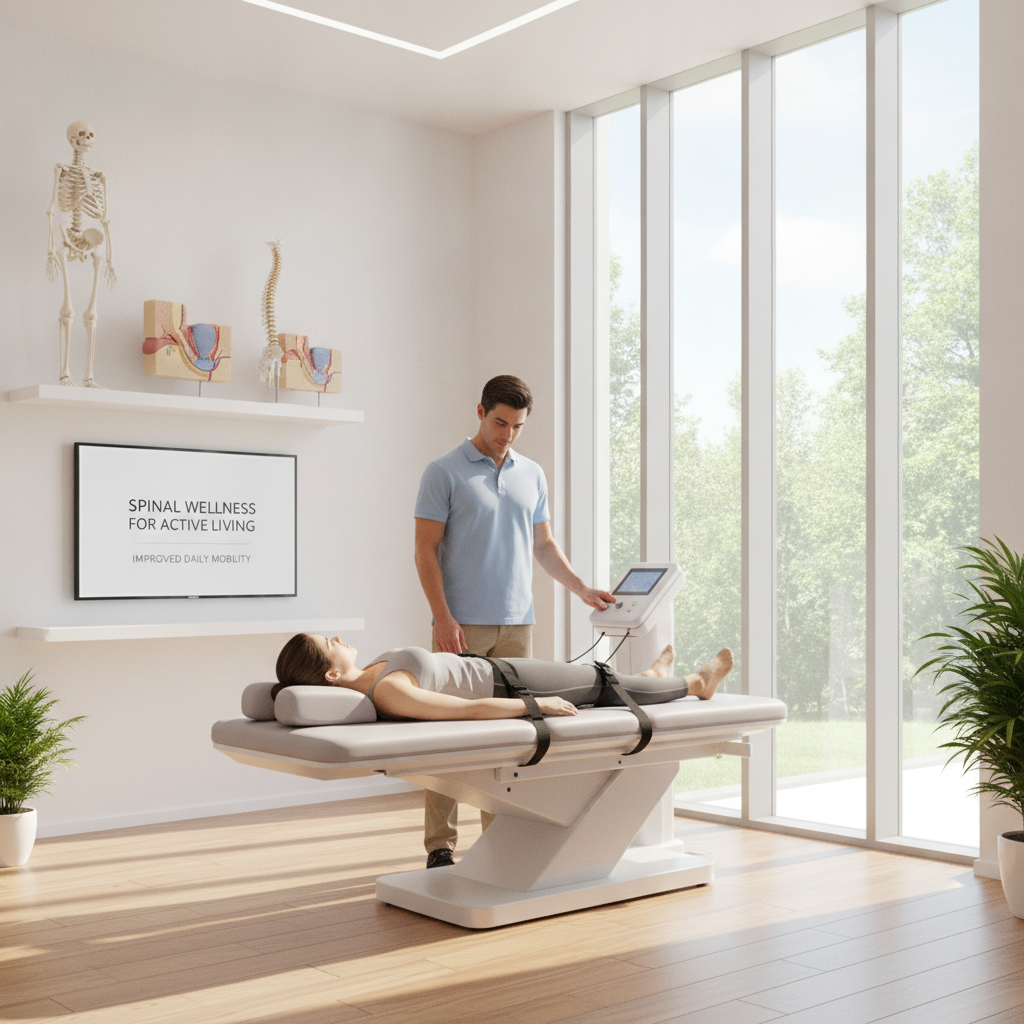
If you’re considering West Des Moines IA spinal decompression treatment, you might wonder what the process involves. Typically, therapy sessions use a specialized table that gently stretches and relaxes the spine in cycles. Each session is tailored to your comfort level and specific mobility goals. Most people find the experience relaxing, and many notice improvements in flexibility and ease of movement after just a few visits. The therapy is non-invasive and doesn’t require downtime, so you can return to your daily routine immediately. Residents in the area often choose this approach to address chronic tightness or to support recovery from minor injuries. By reducing pressure on spinal nerves and discs, decompression can help you move with less restriction and more confidence.
The Science Behind Spinal Decompression and Flexibility
Understanding how spinal decompression works can help you appreciate its role in mobility. The therapy uses controlled mechanical traction to create space between the vertebrae. This reduces pressure on spinal discs and nerves, which are often the source of stiffness and limited movement. By improving hydration and nutrient delivery to the discs, decompression supports the body’s natural healing processes. A Chiropractor in West Des Moines, IA can assess your spinal health and determine if decompression is right for your needs. Over time, improved disc health can lead to greater flexibility, smoother movement, and a reduced risk of recurring discomfort. This scientific approach is why so many people turn to decompression as part of their strategy for staying active and mobile.
Integrating Spinal Decompression With Other Mobility Strategies
Spinal decompression is most effective when combined with other healthy movement habits. Stretching, strengthening exercises, and ergonomic adjustments all play a role in supporting flexible, pain-free motion. Many people find that after decompression therapy, they’re able to participate more fully in activities like yoga, walking, or recreational sports. For those interested in holistic approaches, exploring Chiropractic Strategies for Improving Everyday Mobility Without Medications can offer additional tools for maintaining progress. By addressing both the mechanical and lifestyle factors that affect mobility, you can create a routine that keeps you moving well now and in the future.
Managing Modern Lifestyle Challenges That Affect Mobility
Today’s routines often involve long hours at a computer, frequent device use, and less time for movement. These habits can lead to tension, poor posture, and reduced spinal flexibility. Spinal decompression offers a way to counteract some of these effects by relieving built-up pressure and restoring natural alignment. For those who spend a lot of time on screens, it’s important to be aware of neck and back strain. Learning from resources like What West Des Moines Patients Should Know About Preventing Neck Tension From Screen Time can help you develop healthier habits. Integrating decompression therapy with mindful posture and regular breaks can significantly improve how you feel and move each day.
Recognizing Signs That Your Spine Needs Attention
It’s not always obvious when spinal health is impacting your daily mobility. Subtle signs like frequent stiffness, difficulty turning your head, or trouble standing up straight can indicate underlying compression. People in this community often notice these issues during routine activities, such as carrying groceries or playing with children. If you find yourself avoiding certain movements or feeling unusually fatigued after simple tasks, it may be time to assess your spinal health. Early intervention with decompression therapy can help prevent minor discomfort from becoming a bigger limitation. Listening to your body and seeking care when needed is key to maintaining an active, independent lifestyle.
How Spinal Decompression Differs From Other Back Care Options
While there are many approaches to back care, spinal decompression stands out for its gentle, non-invasive technique. Unlike surgery or medication, decompression therapy addresses the root cause of restricted movement by targeting disc and nerve pressure. Some therapies focus on temporary symptom relief, but decompression aims to restore normal spinal function over time. This makes it an appealing choice for those who want to avoid more aggressive treatments. It’s important to work with a provider who can customize your care, ensuring the therapy fits your specific needs and goals. By understanding your options, you can make informed choices about your path to better mobility.
Practical Tips to Enhance Mobility Between Sessions
Maximizing the benefits of spinal decompression means staying proactive between appointments. Simple daily habits can make a big difference. Focus on maintaining good posture, especially when sitting for long periods. Incorporate gentle stretching and movement breaks throughout your day. Using ergonomic chairs and adjusting your workstation can reduce strain on your back and neck. Staying hydrated and getting regular exercise also support spinal health. By combining these strategies with decompression therapy, you can build a routine that keeps you flexible and comfortable, no matter what your day brings.
Common Myths About Spinal Decompression and Mobility
There are several misconceptions about spinal decompression. Some believe it’s only for severe back problems or that it provides only temporary relief. In reality, decompression therapy can benefit a wide range of people, including those with mild stiffness or those looking to optimize their movement. Another myth is that results are instant or that you must commit to endless sessions. Most people notice gradual improvements, and the number of sessions depends on individual needs. Understanding the facts can help you make confident decisions about your care and set realistic expectations for your mobility journey.
A Closer Look: Comparing Mobility Before and After Decompression
To illustrate the impact of spinal decompression on daily mobility, let’s compare some common scenarios people experience before and after therapy. The table below highlights typical challenges and improvements reported by individuals who have incorporated decompression into their wellness routines.
| Before Decompression | After Decompression |
|---|---|
| Frequent stiffness getting up in the morning | Easier, more comfortable mornings |
| Difficulty reaching or bending | Improved range of motion |
| Fatigue after sitting at a desk | Less fatigue and better posture |
| Avoiding physical activities | Greater confidence in movement |
| Recurring aches during daily tasks | Reduced discomfort and more energy |
This comparison shows how regular decompression sessions can lead to meaningful changes in daily comfort and activity levels. These improvements can help you reclaim the freedom to move as you wish.
Final Thoughts
Mobility is at the heart of living well, whether you’re running a business, coding for hours, or simply enjoying time with family and friends. Spinal decompression offers a gentle, effective way to support your spine and unlock greater ease in your daily movements. By addressing the root causes of stiffness and discomfort, this therapy can help you move with more freedom and less pain. Integrating decompression with healthy habits, ergonomic adjustments, and mindful self-care creates a foundation for lasting mobility. If you’re ready to experience the difference that spinal decompression can make, consider reaching out to a local provider to discuss your goals. Every step you take toward better spinal health is a step toward a more active, fulfilling life.