
Nobody plans to end the workday with a stiff, aching lower back, yet it happens to thousands of people who never lift anything heavier than a laptop. Hours of sitting, hunching toward a screen, cradling a phone, or standing at a counter can quietly load the spine in ways it was never designed to handle. By Thursday afternoon, that low, nagging ache has become part of the routine, and many people simply accept it as the price of earning a living.
If that sounds familiar, you are not alone, and you do not have to just tough it out. For many people dealing with desk-related spinal pressure, Spinal Decompression Therapy West Des Moines IA is one of the non-invasive options worth understanding. It is a gentle, mechanical approach that aims to reduce pressure on spinal discs and the structures around them, which may ease the tension that builds up over long days.
This guide is written for small business owners juggling a dozen roles, developers who spend ten hours in front of a monitor, and anyone whose job asks a lot from their back. We will look at why workdays create strain, how decompression works in plain language, what a typical course of care looks like, and the daily habits that help you hold onto your progress. Nothing here replaces a hands-on evaluation, but it should help you walk into that conversation better informed.
How a Normal Workday Strains Your Spine
The spine is built for movement, not for holding one position for hours. When you sit, the muscles that stabilize your trunk tend to switch off, and the discs between your vertebrae absorb more of the load. Add a forward-leaning posture toward a screen, and the pressure on the lower lumbar segments climbs even higher. Over weeks and months, that repeated loading can leave the area feeling tight, achy, and easily irritated.
Workday strain is rarely the result of one dramatic event. It is the slow accumulation of small stressors: a chair that is slightly too low, a monitor that pulls your head forward, a wallet in a back pocket tilting the pelvis, or a long drive to a client meeting. People who stand all day face a different version of the problem, with fatigue building in the low back and hips. Anyone looking for back pain relief for desk workers will find that understanding these everyday patterns is the first step toward changing them.
Spotting the Early Signs of Work-Related Back Strain
Strain tends to announce itself gradually, and the early signals are easy to dismiss. You might notice a dull ache that appears around mid-afternoon and fades by morning, only to return the next day. Maybe standing up after a long meeting takes a moment of careful unfolding. These small patterns are your body asking for attention before the problem grows.
Common signs people report include:
- Stiffness in the lower back after sitting for an hour or more
- A deep ache that builds as the day goes on
- Tightness across the hips or glutes that does not stretch out easily
- Discomfort when bending to tie a shoe or pick something up
- Occasional tingling or heaviness that travels toward a leg
Not every ache points to the same cause. Muscle fatigue, joint irritation, and disc-related pressure can feel similar, which is why a proper assessment matters before settling on any plan. If symptoms are severe, sudden, or paired with numbness or weakness, seek medical attention promptly.
What Spinal Decompression Actually Does
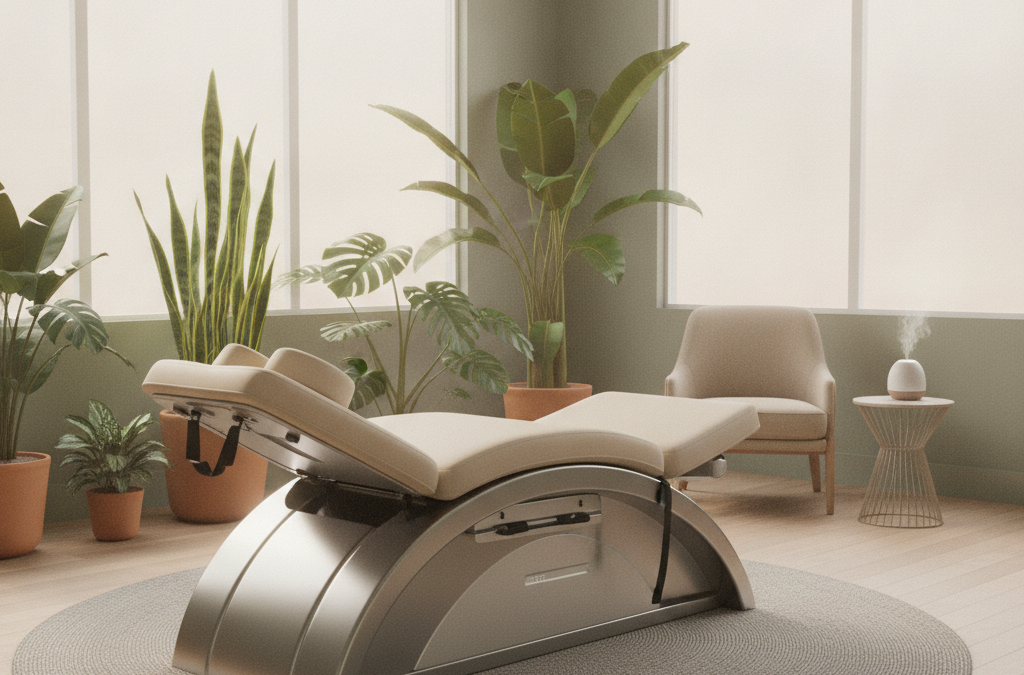
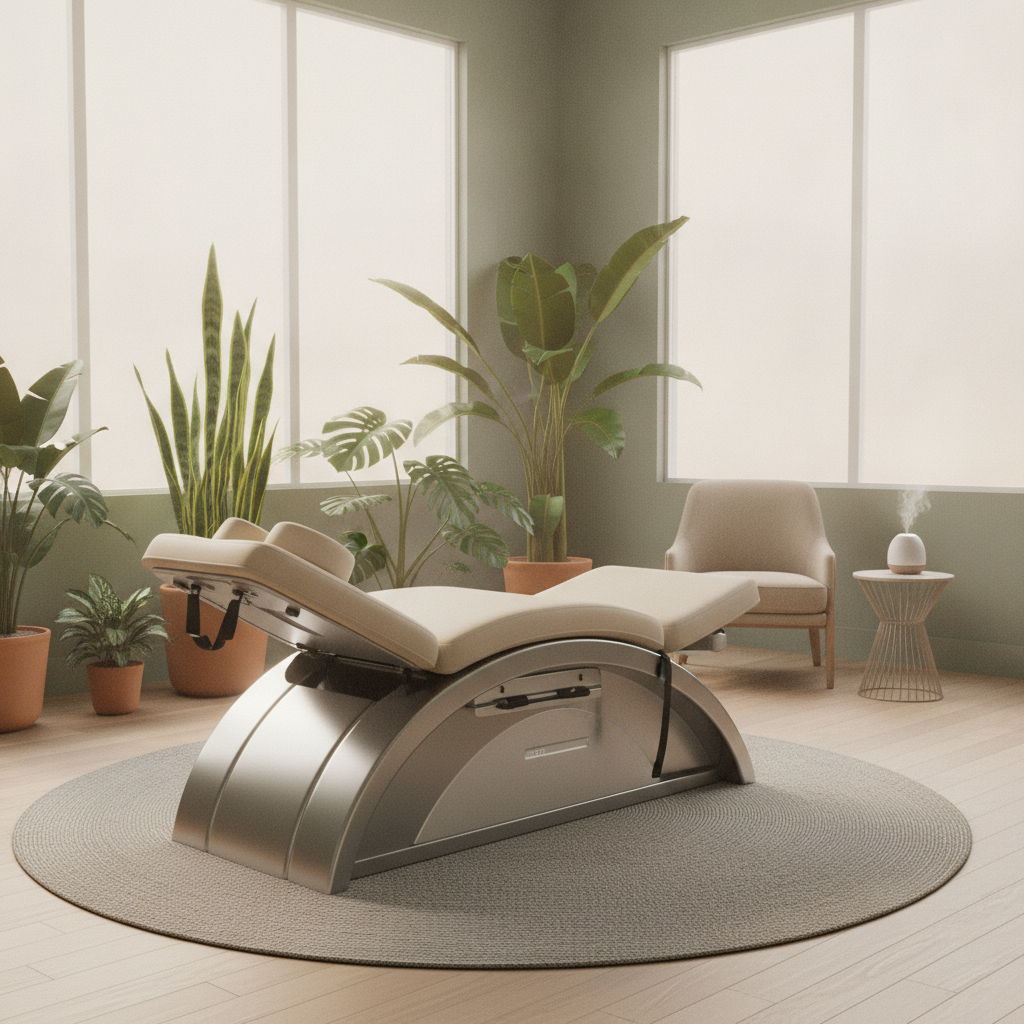
Spinal decompression is a non-surgical approach that uses a computer-guided table to apply a gentle, controlled stretch to the spine. The goal is to create a little extra space between vertebrae, which may reduce the compression on discs and nearby nerves. Think of it as a precise, steady release rather than a forceful pull, and sessions are generally described as relaxing rather than painful.
During a session, you lie comfortably on the table, often fully clothed, while a harness supports the area being treated. The system cycles between gentle traction and relaxation, which is thought to encourage a pressure change within the disc. Some practitioners suggest this shift may support the movement of fluids and nutrients into the disc area, though individual experiences vary. At Complete Wellness Chiropractic, this type of care is offered as one part of a broader, conservative approach to spinal health rather than a one-size-fits-all answer.
Why Sitting and Disc Pressure Go Hand in Hand
Spinal discs act like cushions, absorbing shock and allowing the vertebrae to move smoothly. When you slump in a chair, the front of each disc is squeezed while the back is stretched, a pattern that can irritate the outer wall over time. Because discs have a limited blood supply, they rely heavily on movement to stay healthy, and long stretches without it can leave them under-nourished.
This is why desk-bound professionals sometimes develop disc-related discomfort even without any injury. The load is steady, the posture is repetitive, and the breaks in between are too few. Decompression is often discussed in this context because it targets that pressure directly. For anyone wanting a deeper look at disc-specific concerns, an in-depth article is available on Why West Des Moines Patients Explore Spinal Decompression for Chronic Disc Pain, which covers the reasoning behind this option in more detail.
The Evaluation That Comes Before Any Treatment
Good care starts with understanding what is actually going on. Before any decompression is recommended, a provider typically reviews your history, asks about your job and daily routine, and performs a physical exam. They may check posture, range of motion, muscle tension, and reflexes to build a picture of where the strain is coming from. Imaging is sometimes considered, depending on your symptoms and history.
This step matters because not everyone is a candidate for decompression. Certain conditions call for a different approach or a referral elsewhere, and a responsible provider will tell you so. Reading about What a West Des Moines Chiropractor May Look for During a Back Pain Exam can help you know what to expect, and a local Chiropractor in West Des Moines, IA can walk you through how findings translate into a personalized plan.
A Typical Course of Care, Step by Step
While every plan is individualized, the general flow of decompression care follows a recognizable pattern. Knowing the rhythm can take the mystery out of getting started and help you fit appointments around a busy schedule.
A common sequence looks like this:
- An initial consultation and exam to identify the source of strain
- A written plan outlining session frequency and expected duration
- A series of sessions, often several per week early on, tapering over time
- Periodic re-evaluation to see how you are responding
- A transition toward home exercises and habit changes to maintain progress
Individual sessions are usually brief, often lasting under an hour, which makes them manageable for owners and employees who cannot disappear for half a day. Many people schedule visits before work, during a lunch window, or at the end of the day. The number of visits and the timeline depend on your goals and how your body responds, so no outcome can be promised in advance.
Comparing Common Approaches to Workday Back Discomfort
People often wonder how decompression fits alongside other options. The table below offers a general, simplified comparison of approaches people commonly consider. It is meant for orientation only, since the right choice depends on your specific situation and a professional assessment.
| Approach | Main Focus | Best Suited For |
|---|---|---|
| Ergonomic changes | Reducing daily stressors | Prevention and mild strain |
| Spinal decompression | Easing disc and nerve pressure | Disc-related or compression-type discomfort |
| Chiropractic adjustments | Joint motion and alignment | Stiffness and restricted movement |
| Targeted exercise | Strength and endurance | Long-term support of the spine |
| Rest and activity pacing | Letting irritation settle | Short-term flare-ups |
Setting Up a Workspace That Protects Your Back
Care in a clinic works best when your workspace is not undoing it every day. A few thoughtful adjustments can reduce the load on your spine without costing much. Start with your chair: your feet should rest flat, your knees sit near hip height, and your lower back should have gentle support rather than a gap behind it.
Your screen matters just as much. The top of the monitor should sit near eye level so your head stays balanced over your shoulders instead of drifting forward. Keep your keyboard close enough that your elbows rest near your sides, and consider a headset if you spend much of the day on calls. If you run a small shop or a home office, a sit-stand desk or even a stack of sturdy books under a laptop riser can make a real difference. The goal is not perfect posture but variety, so your spine is never held in one position for too long.
Micro-Habits for Developers and Business Owners
The most effective habits are the ones you will actually keep, which usually means small and easy. Rather than overhauling your day, weave tiny movements into what you already do. Set a quiet timer to stand every thirty to forty-five minutes, and use that moment to roll your shoulders, take a few deep breaths, or walk to refill a glass of water.
Try a handful of simple ideas:
- Take phone calls while standing or pacing
- Do a few gentle standing back extensions between tasks
- Hold meetings as walking conversations when possible
- Keep a water bottle across the room so you have a reason to move
- Pack your bag evenly and avoid carrying everything on one shoulder
Developers locked into long focus sessions can pair these breaks with natural stopping points like a finished commit or a completed test run. Business owners can tie movement to routine triggers such as the end of a customer interaction. Consistency beats intensity every time.
Questions Worth Asking Before You Begin
Walking into a new type of care is easier when you arrive with good questions. Do not hesitate to ask a provider how they decided decompression suits your situation, what the plan involves, and how progress will be measured. A trustworthy clinic welcomes these conversations and explains things in plain language rather than rushing you toward a commitment.
It also helps to ask about alternatives, since the best plan sometimes blends several approaches. Find out how many sessions are typically recommended, what each visit feels like, and what you can do at home between appointments. Ask what signs would prompt a change in plan or a referral to another professional. Honest answers, including a willingness to say when something may not be a good fit, are a strong sign you have found a provider who puts your long-term wellbeing ahead of a sales pitch.
Keeping Progress Going After Your Sessions
Feeling better is a great start, but the real win is staying that way. Once a course of decompression winds down, the habits you build become your best protection. Gentle core strengthening, hip mobility work, and regular walking all help the muscles around your spine share the load so the discs are not doing all the work.
Pay attention to how your body responds to busy seasons, long travel days, or stretches of unusually heavy desk time, since those are common moments for symptoms to return. Many people find that a periodic check-in helps them catch small problems early. Think of your back like any other asset in your business: it performs best with steady maintenance rather than emergency repairs. Pair your clinic care with sleep that supports recovery, hydration, and sensible stress management, and you give your spine the best possible environment to stay comfortable through demanding weeks.
Your Next Steps
Workday back strain is common, but it does not have to be permanent. The long hours, awkward postures, and constant demands of modern work can build pressure on the spine gradually, and the signs often start small. Recognizing them early, and responding with thoughtful changes, gives you the best chance to stay comfortable and productive.
Spinal decompression is one non-invasive option that many people consider when disc-related or compression-type discomfort keeps getting in the way. It works best as part of a bigger picture that includes a proper evaluation, a workspace that supports you, and small daily habits that keep your spine moving. No approach works the same for everyone, and results vary, so the most important move is to get an assessment that looks at your unique situation rather than guessing.
If your back has started dictating how you work, consider this your nudge to act before the ache becomes the norm. Start with one or two easy changes today, such as a timer to stand and a quick look at your monitor height. Then talk with a qualified local provider about whether decompression or another conservative approach fits your goals. Your career depends on you showing up at your best, and a healthy, well-supported spine is a big part of making that possible, one workday at a time.