
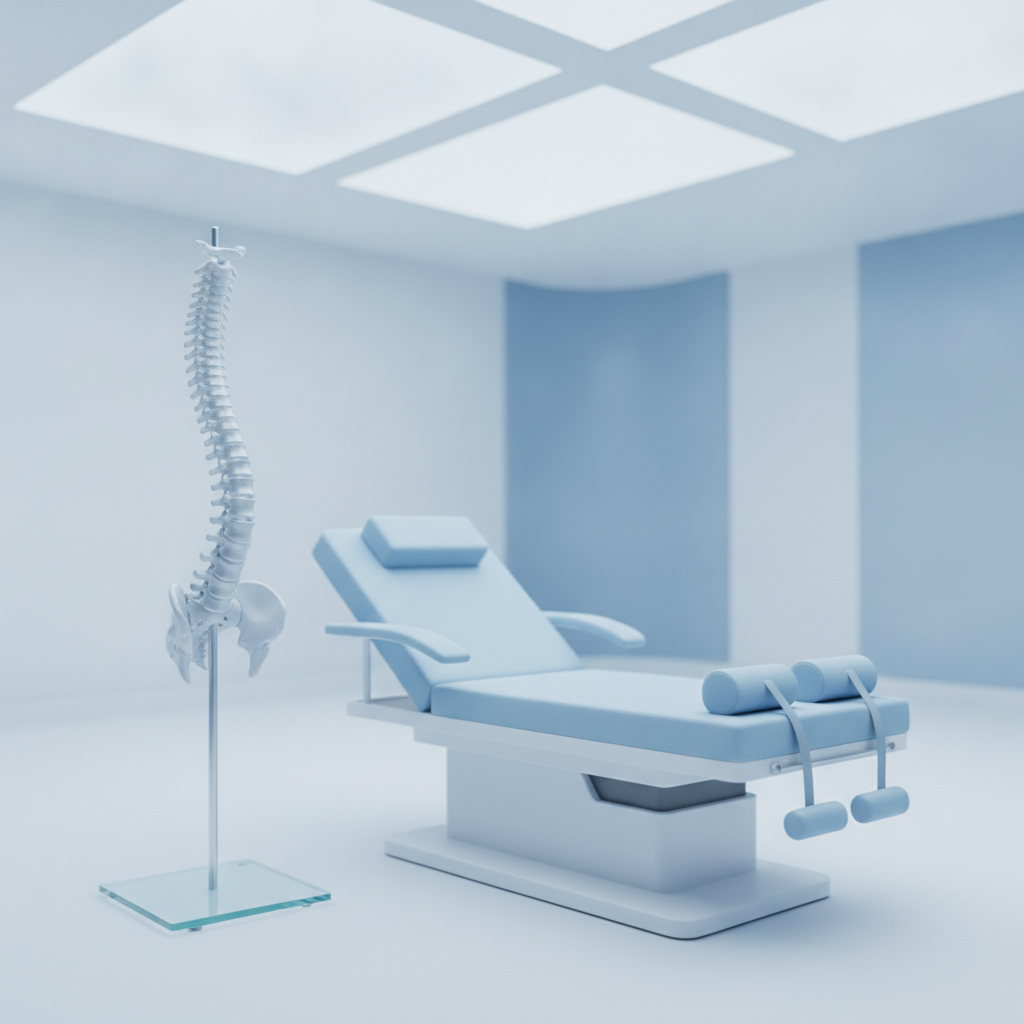
Back pain has a way of taking over your whole day. It changes how you sit at your desk, how you lift a box at the shop, how you sleep, and even how patient you are with the people around you. If you run a small business, write code for a living, or simply spend long hours on your feet or in a chair, you already know how fast a sore back can slow down your productivity and your mood. Many people try heating pads, over-the-counter medication, and endless stretching before they start looking for something more targeted. That is where spinal decompression therapy enters the conversation. It is a gentle, non-surgical approach that aims to take pressure off compressed spinal structures, encourage healthier disc function, and give your body a better chance to recover. In this guide, we will walk through what spinal decompression therapy is, how it works, who tends to benefit, what a typical visit looks like, and how to decide whether it fits your situation. We will also cover costs, safety, realistic expectations, and the everyday habits that help results last. Whether you are a developer hunched over a keyboard or an owner lifting inventory, this guide is written to help you make a confident, informed decision about your spine health.
Spinal Decompression Therapy in West Des Moines
Residents dealing with stubborn neck and back discomfort often discover that the usual quick fixes only mask the problem. Spinal decompression therapy takes a different approach by focusing on the mechanical cause of pain: pressure on discs and nerves. Instead of simply numbing symptoms, the treatment uses a controlled, gentle stretching force to create space between vertebrae so the spine can function more comfortably. For related information, see non-surgical back pain relief.
Local clinics such as Complete Wellness Chiropractic offer this kind of care as part of a broader plan that may include adjustments, soft tissue work, and movement coaching. The benefit of combining services is that your care team can address the structural issue and the muscle tension that usually surrounds it.
For many patients, the appeal is simple. There are no incisions, no anesthesia, and no long recovery period. You lie comfortably on a specialized table while the system does the work. Sessions are generally relaxing, and many people return to normal activities right afterward. If you have been searching for an option between pills and surgery, this treatment deserves a closer look.
Spinal Decompression Therapy in West Des Moines, IA
Choosing where to receive care matters as much as choosing the treatment itself. A good provider starts with a thorough evaluation, which usually includes a health history, a physical exam, posture and movement screening, and sometimes imaging such as X-rays or MRI results you already have. The goal is to confirm that your symptoms point to a condition that responds well to decompression. For related information, see Spinal Decompression Therapy.
Before your first visit, it helps to get organized. Many offices let you complete paperwork ahead of time, which saves time and keeps your appointment focused on your health rather than forms. If you are exploring non-surgical back pain relief, downloading and filling out intake forms at home is a smart first step, and it lets you describe your symptoms carefully without feeling rushed.
Come prepared with a few details: when the pain started, what makes it better or worse, any past injuries, current medications, and your daily routine. The more specific you are, the easier it is for the clinician to build a plan that fits your life, your schedule, and your goals.
Spinal Decompression Therapy in West Des Moines, Iowa
Not every table or technique is the same. Some clinics use manual traction, while others rely on computerized systems that adjust force gradually and cycle between tension and relaxation. That cycling is important because it helps avoid triggering the protective muscle spasms that can cancel out the benefit of a steady pull.
One well-known approach is described in detail on this page about Spinal Decompression Therapy, which explains how a targeted, zone-based method can focus on the specific spinal segment causing trouble. Targeting matters because a general stretch may not reach the exact level where a disc is irritated.
When comparing options across the state, ask how the system is controlled, how treatment angles are chosen, and whether the clinician adjusts the plan as you progress. A flexible, individualized approach usually beats a one-size-fits-all package. You should also ask how progress is measured, since clear benchmarks keep everyone honest and help you see whether the plan is truly working.
How Spinal Decompression Therapy Works
Your spine is a stack of vertebrae cushioned by discs that act like shock absorbers. Over time, sitting, lifting, aging, and injury can cause those discs to bulge, flatten, or press on nearby nerves. The result can be sharp pain, numbness, tingling, or weakness that travels into the arms or legs.
Decompression uses a gradual distraction force to gently increase the space between vertebrae. That change can reduce pressure inside the disc, which may allow bulging material to retreat slightly and take stress off irritated nerve roots. The lower pressure can also draw in fluid and nutrients that support disc health.
The process is slow and controlled. You are typically fully clothed, strapped comfortably at the hips or chest, and positioned face up or face down depending on the area being treated. The machine applies force in cycles, so the muscles stay relaxed. Most people describe the sensation as a mild stretch rather than pain. If anything feels sharp or uncomfortable, the session can be paused immediately.
Conditions That May Respond Well
This type of care is most often used for problems tied to disc and nerve pressure. While results vary from person to person, the following conditions are commonly evaluated for decompression:
- Bulging or herniated discs in the lower back or neck
- Sciatica, which causes pain traveling down the leg
- Degenerative disc disease and age-related disc thinning
- Spinal stenosis, where the nerve canal narrows
- Facet joint irritation and posterior spinal strain
For desk workers and developers, long hours of sitting often load the lower spine and tighten the hip flexors, which can set the stage for disc irritation. For owners and tradespeople, repeated lifting and awkward positions create similar stress. In both cases, relieving pressure is only part of the story. The clinician will also look at posture, core strength, and movement habits that keep the problem coming back. A thorough plan addresses both the symptom and its source, which is why many providers pair decompression with targeted exercise and lifestyle coaching.
What to Expect During a Typical Session
Knowing what happens ahead of time removes most of the nerves. A standard visit lasts roughly 30 to 45 minutes. You arrive, change into comfortable clothing if needed, and settle onto the table. The practitioner adjusts the harness, selects the treatment angle, and starts the cycle at a low setting that gradually increases.
During the session, you simply rest. Many people listen to music, close their eyes, or even doze off. The pulling sensation is gentle and rhythmic, and you can speak up at any moment if something feels off. Some clinics add cold therapy, heat, or electrical stimulation afterward to calm irritated tissue and ease muscle tightness.
After the session, you may feel looser or slightly tired, similar to how you feel after a good massage. Mild soreness is possible, especially in the first few visits as your body adapts. Drinking water, walking lightly, and avoiding heavy lifting that evening are common recommendations. Your provider will explain what to do between visits so the benefits build rather than fade.
Treatment Timeline and Frequency
Decompression is rarely a one-and-done solution. Most plans involve a series of visits spaced over several weeks, because the goal is gradual change in how the disc and surrounding tissues behave. The table below shows a general example of how a care plan might be structured. Your own schedule will depend on your diagnosis, severity, and response.
| Phase | Typical Duration | Visit Frequency | Main Focus |
|---|---|---|---|
| Initial Relief | Weeks 1 to 2 | 3 to 4 per week | Reduce pain and pressure |
| Active Correction | Weeks 3 to 6 | 2 to 3 per week | Improve disc function and mobility |
| Stabilization | Weeks 7 to 10 | 1 per week | Strengthen and prevent relapse |
| Maintenance | Ongoing | As needed | Long-term spine health |
Benefits of Spinal Decompression Therapy
The biggest draw is that spinal decompression therapy offers a conservative path with a low risk profile compared with invasive procedures. Many patients report reduced pain, better mobility, and less reliance on medication as treatment progresses. Because the approach targets pressure rather than just symptoms, relief can be more meaningful than temporary masking.
Other practical benefits include no downtime, no hospital stay, and the ability to keep working during your care plan. For a small business owner, that matters. You cannot always afford weeks away from your responsibilities, and a non-invasive option lets you protect both your health and your income.
There are also secondary gains. Less pain often leads to better sleep, improved mood, and more energy for the things you enjoy. When your spine is not constantly sending distress signals, you move more freely, sit more comfortably, and recover from physical effort faster. Those improvements ripple into focus at work and quality time at home.
Safety, Risks, and Who Should Avoid It
Although spinal decompression therapy is generally considered safe when performed by trained professionals, it is not appropriate for everyone. Certain conditions make traction-based care risky, so a proper screening is essential before starting.
People who are pregnant, those with severe osteoporosis, spinal fractures, tumors, infections, or implanted spinal hardware are usually advised to avoid it. Anyone with an abdominal aortic aneurysm or advanced vascular disease should also steer clear. If you have had recent spinal surgery, your surgeon should clear you before any decompression is attempted.
Side effects are typically mild and short-lived. Temporary muscle soreness or stiffness is the most common complaint, similar to the ache after a new workout. Serious complications are rare. Honest communication with your provider is your best safety tool. Share your complete medical history, report new symptoms promptly, and never hesitate to ask questions about the equipment, the settings, or the reasoning behind your plan.
Costs, Insurance, and Value
Cost is a practical concern, and it varies widely depending on the clinic, the number of sessions, and whether treatment is bundled with other services. Many practices price care as a package, while others charge per visit. Because coverage for decompression differs across insurance plans, it is wise to call your insurer and ask specific questions before you commit.
Many patients use health savings accounts or flexible spending accounts to offset out-of-pocket costs. Some clinics also offer payment plans, which can make a full treatment series more manageable. Ask for a written estimate that outlines the number of visits, what each visit includes, and any add-on therapies.
When weighing value, consider the alternatives. Ongoing medication, repeated urgent visits, lost workdays, and surgery all carry their own financial and personal costs. If decompression helps you avoid or delay more expensive interventions, the investment may be worthwhile. Just be sure the provider is transparent about expected outcomes and does not promise guaranteed results.
Habits That Support Lasting Results
Treatment works best when your daily routine supports it. Think of decompression as opening a window of opportunity for healing, and your habits as what keeps that window open. A few small changes can make a big difference over time:
- Stand up and move for a minute or two every 30 to 45 minutes
- Set up your workstation so your screen is at eye level and your feet rest flat
- Strengthen your core and glutes with simple, consistent exercises
- Lift with your legs, keep loads close, and avoid twisting while carrying
- Stay hydrated, since discs rely on water to stay supple
Sleep matters too. A supportive mattress and a neutral sleeping position reduce nighttime strain on your spine. If you drive long distances, adjust your seat and use lumbar support. These adjustments cost little but protect the progress you make in the treatment room and help you avoid repeating the same injury patterns.
Your Next Steps
Living with chronic back or neck pain does not have to be your normal. Spinal decompression therapy offers a gentle, non-invasive way to address the pressure behind many disc and nerve problems, and it can fit into a busy schedule without the downtime that comes with surgery. It is not a magic cure, and it is not right for everyone, but for the right candidate it can be a powerful part of a complete recovery plan.
The smartest way forward is to start with a proper evaluation. Gather your health history, write down your symptoms and goals, and bring any imaging you have. Ask direct questions about the technology, the expected timeline, the costs, and how progress will be measured. A trustworthy provider will welcome those questions and answer them clearly.
Pair your care with smart daily habits, including regular movement, a supportive workspace, core strengthening, and good sleep. Those choices protect your results and reduce the chance of pain returning. If you are a developer, an owner, or anyone whose work depends on feeling good in your body, investing in your spine is investing in your productivity and quality of life. Take the first step, schedule a consultation, and give yourself the chance to move through your day with more comfort and confidence.