
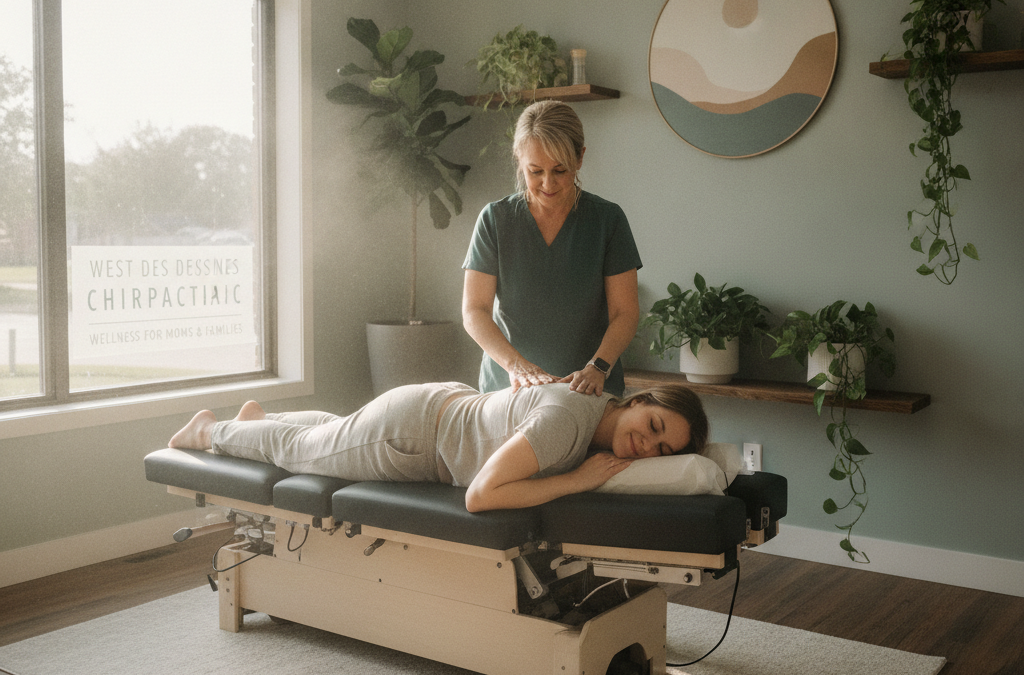
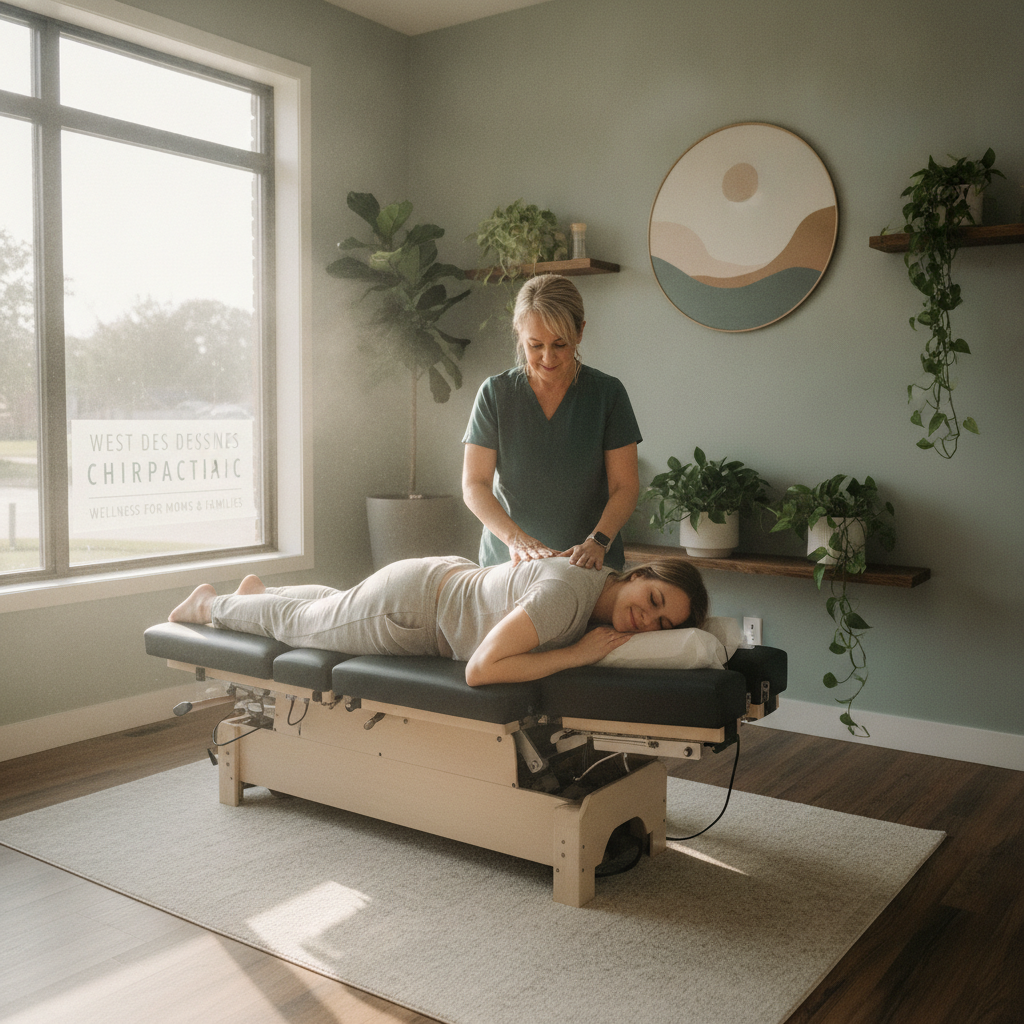
Pregnancy is one of the most remarkable changes a body can go through, and it rarely comes without a few aches along the way. Many expectant mothers notice a dull pull in the lower back by the second trimester, a sharp twinge near the hips when rolling over in bed, or a heaviness through the pelvis that makes ordinary walks feel longer than they used to. These sensations are common, but common does not mean you have to simply tolerate them. Working with a Chiropractor West Des Moines IA families trust can offer a gentle, drug-free way to support comfort while your body adapts to carrying a growing baby.
This article walks through why pregnancy changes your spine and pelvis, what kinds of discomfort tend to show up at each stage, and how chiropractic care is typically adapted for expectant mothers. We will also cover everyday habits, sleep positioning, safety questions worth asking, and how to plan care around your due date and recovery after birth. Whether you are newly expecting or counting down the final weeks, you will find practical, plain-spoken information here to help you decide what feels right for you and your baby. Always keep your obstetric provider in the loop, because the best outcomes come from a team that communicates well.
How Pregnancy Reshapes Your Spine and Pelvis
From the earliest weeks, your body begins releasing hormones that soften ligaments, especially around the pelvis, so it can eventually make room for delivery. That loosening is helpful in the long run, but it also means joints that were once stable can feel less supported. Meanwhile, your center of gravity slowly shifts forward as the baby grows, encouraging the lower back to arch more deeply and the shoulders to roll slightly back to compensate.
Those changes ask a lot of the muscles around your hips, spine, and abdomen. Muscles that rarely worked hard before suddenly become full-time stabilizers, and fatigue can show up as tightness or spasm. Understanding this mechanical story is empowering, because it explains why discomfort is so common and why gentle alignment-focused support can make sense. Many women find that prenatal chiropractic care West Des Moines providers offer is a comfortable way to address these shifting loads before they snowball into daily pain.
Common Discomforts Expectant Mothers Report
No two pregnancies feel exactly alike, yet certain complaints appear again and again. Lower back soreness tops the list, often worse at the end of the day or after long periods of standing. Pelvic and hip pain is also frequent, sometimes felt as a deep ache on one side or a catching sensation when stepping off a curb. Some women describe pain low in the buttock that travels toward the thigh, which can mimic sciatic-type irritation.
Upper body tension shows up too. As breasts grow and posture adapts, the neck and mid-back can feel tight, and tension headaches may become more frequent. Rib discomfort in the third trimester, when the baby sits higher, is another well-known complaint. Hands and wrists can tingle from fluid changes, and leg cramps often interrupt sleep. Not every one of these issues is spine-related, but many have a mechanical component that responds well to improved movement, better support, and thoughtful positioning.
What Chiropractic Care Looks Like During Pregnancy
A pregnancy-focused visit looks quite different from a standard adjustment appointment. It begins with a thorough conversation about your trimester, any complications, your provider’s guidance, and exactly where and when you feel discomfort. A careful physical assessment follows, looking at posture, pelvic balance, joint motion, and muscle tension, all with positioning that keeps you and your baby comfortable.
Adjustments are modified rather than forceful. Specialized cushioned tables, side-lying positions, and gentle low-force techniques are commonly used so there is no pressure on the abdomen. Soft tissue work and simple stretches may be added to ease overworked muscles. If you are searching for a trusted Chiropractor West Des Moines IA expectant mothers can rely on, ask how the practice adapts its table, techniques, and pacing for pregnancy, since thoughtful modifications are a sign of experience and respect for your changing body.
Trimester-by-Trimester Needs
Your body asks for different things as pregnancy progresses, and care can shift along with it. The table below offers a general overview of what many women experience and what supportive care often emphasizes. Treat it as a conversation starter rather than a prescription, since every pregnancy is individual.
| Stage | Common Discomforts | Typical Care Focus |
|---|---|---|
| First trimester | Fatigue, mild back tightness, neck tension | Baseline posture check, gentle mobility, habit coaching |
| Second trimester | Lower back ache, hip pain, round ligament pulling | Pelvic balance, side-lying adjustments, stretching |
| Third trimester | Rib discomfort, sciatic-type pain, sleep disruption | Pelvic mobility, comfort positioning, labor preparation |
| Postpartum | Feeding posture strain, weak core, pelvic soreness | Gradual realignment, posture retraining, gentle strengthening |
Round Ligament Pain and Pelvic Pressure
Few things surprise first-time mothers like a sudden, sharp pull low in the abdomen or groin when standing up quickly or sneezing. This is often round ligament pain, caused by the ligaments supporting the uterus stretching as it grows. While usually harmless, it can be startling and uncomfortable, and any severe or persistent abdominal pain should always be reported to your obstetric provider right away.
Pelvic pressure and a feeling of instability are related concerns, especially later in pregnancy. When the pelvis is not moving evenly, surrounding muscles can overwork to compensate, which sometimes amplifies pain. Gentle pelvic balancing, along with mindful movement strategies, may help reduce strain. Simple changes such as rising slowly, rolling to your side before getting out of bed, and using a belly support band can also take the edge off. Understanding how The Connection Between Hip Imbalance and Persistent Back Pain works is especially helpful here, since pregnancy can temporarily tilt the hips and amplify strain through the spine.
Sciatic-Type Pain and Pregnancy
Pain that travels from the buttock down the back of the leg is one of the more frustrating pregnancy complaints. Sometimes it truly involves irritation of the sciatic nerve, and other times it stems from tight deep hip muscles or an unsettled sacroiliac joint where the spine meets the pelvis. Telling them apart takes a careful hands-on evaluation, which is one reason professional assessment is valuable rather than guessing at the cause.
Relief strategies are usually conservative. Gentle mobilization of stiff joints, targeted soft tissue work, and positional adjustments can ease pressure on irritated tissues. At home, many women benefit from alternating short walks with rest, avoiding prolonged sitting on hard surfaces, and placing a pillow between the knees at night. Warm compresses can soothe tight muscles, while ice may be better for acute flare-ups. If numbness, weakness, or loss of bladder control ever appears, seek medical attention immediately instead of waiting for a scheduled visit.
When Lower Back Tightness Hints at a Bigger Pattern
A tight lower back during pregnancy is easy to dismiss as just part of the deal, yet persistent tightness can be your body’s way of flagging a mechanical imbalance. If one hip is rotated, a rib is restricted, or the pelvis is torquing slightly, muscles on one side may be doing double duty all day long. Over weeks, that uneven workload can deepen into a stubborn ache that no amount of stretching seems to fix.
Paying attention to patterns matters. Does the tightness worsen after standing, ease when you lie down, or favor one side? Notes like these help a practitioner narrow down contributing factors. Reading about When a Tight Lower Back Signals a Deeper Alignment Problem can give you useful language for describing what you feel, so appointments become more productive and you can ask sharper questions about what might be driving the discomfort.
Everyday Habits That Ease Pregnancy Strain
Small daily adjustments often add up to meaningful comfort. Consider these practical habits that many expectant mothers find helpful:
- Alternate sitting and standing every 30 to 45 minutes instead of staying in one position.
- Choose supportive, low-heeled shoes with good arch support.
- Lift by bending your knees and keeping objects close to your body.
- Keep your phone and laptop at eye level to reduce neck and upper back strain.
- Stay hydrated, since dehydration can worsen muscle cramps and tension.
- Practice gentle walking or prenatal-approved stretching most days.
None of these steps requires special equipment, and each can be woven into a normal routine. The goal is not perfection but consistency, giving your joints and muscles regular relief instead of letting strain build until evening. Pairing these habits with professional guidance tends to produce steadier results than relying on either alone.
Sleeping Comfortably as Your Belly Grows
Rest can become elusive in the later months, and poor sleep makes every ache feel louder. Side-lying is generally the most comfortable and widely recommended position, with a firm pillow between the knees to keep the pelvis level and reduce stress on the lower back. A small pillow tucked under the belly can prevent it from pulling on the spine, and another behind your back can stop you from rolling flat.
A full-length body pillow combines these supports in one piece and works well for many women. Raising the head slightly can ease heartburn and shortness of breath, while a supportive mattress prevents sagging that encourages awkward spinal curves. If you wake with morning stiffness or numb hands, tell your care team, since small adjustments to positioning or posture can sometimes make a noticeable difference. Prioritizing restful sleep is not a luxury during pregnancy, it is part of caring for both of you.
Safety Questions Worth Asking Before You Book
Feeling confident about your care starts with asking the right questions. Begin by sharing your pregnancy status when you schedule, and ask whether the practitioner has experience working with expectant mothers. Inquire about the equipment used, such as tables that accommodate a growing belly, and whether techniques are modified for each trimester.
It is also wise to ask how the office communicates with your obstetrician or midwife, especially if you have a high-risk pregnancy, placenta concerns, or a history of preterm labor. Certain situations call for extra caution or a medical green light first. A responsible provider will welcome these questions, explain what they plan to do, and stop immediately if something feels uncomfortable. You should never feel rushed, and you always have the right to decline any technique. Trust your instincts, because feeling heard is part of good care.
Preparing Your Body for Birth and Recovery
Many women look at the final weeks as a time to prepare physically as well as emotionally. A balanced, mobile pelvis may help your body find comfortable positions during labor, and some mothers seek gentle care in the weeks before their due date for that reason. While no one can promise a specific birth outcome, supporting healthy movement and reducing tension is a reasonable goal.
Recovery deserves just as much planning. After delivery, your body is healing while also facing hours of feeding, lifting, and carrying. Hunching over a nursing baby, cradling a car seat, and sleeping in short bursts can strain the neck, shoulders, and back. Gentle postpartum realignment, posture retraining, and gradual strengthening can help you regain stability at a sensible pace. Wait for clearance from your provider before resuming exercise or hands-on care, and be patient with yourself, since healing is rarely a straight line.
Your Next Steps
Pregnancy asks your body to do extraordinary work, and some discomfort along the way is normal. Still, you do not have to simply grit your teeth until delivery. Understanding how hormones, posture, and a shifting center of gravity combine to create aches puts you in a stronger position to respond thoughtfully. From round ligament twinges to sciatic-type pain and stubborn lower back tightness, many of these complaints have a mechanical side that responds well to gentle, adapted care.
The most useful approach blends professional guidance with simple daily habits: supportive footwear, mindful lifting, smart sleep positioning, regular movement, and open communication with your obstetric provider. Ask questions, share your full health picture, and choose a practitioner who modifies techniques for each trimester and treats your comfort as the priority. Listen to your body, and report anything unusual to your medical team promptly.
Whether you are in your first trimester or counting the final days, thoughtful support can help you feel more capable and comfortable during this season. Consider writing down your symptoms, your sleep challenges, and your goals, then bring that list to a consultation. Small, steady choices made today can make the months ahead, and your recovery afterward, feel more manageable. You deserve to enjoy this chapter as fully as possible, aches and all, with a care team that listens and a plan that fits your unique pregnancy.