
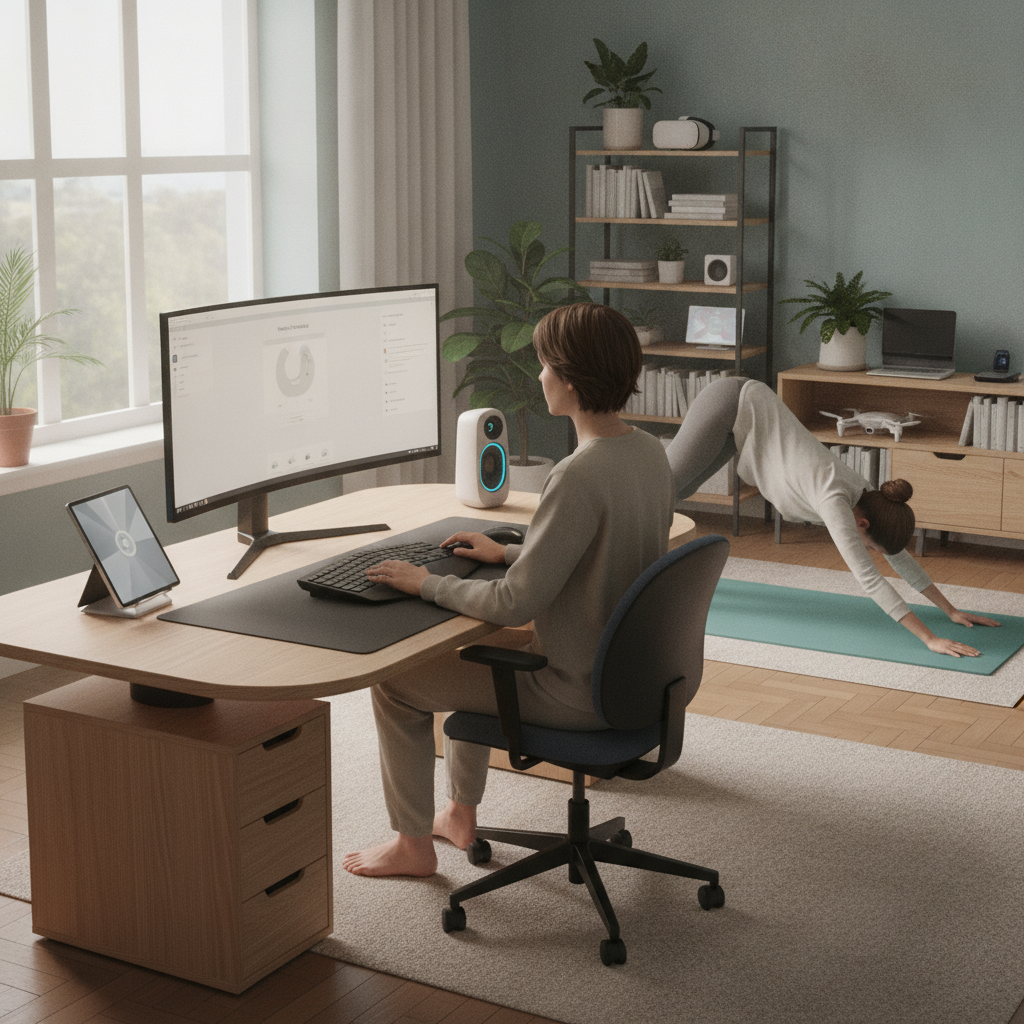
Technology has revolutionized nearly every aspect of our lives, from the way we work to how we relax. Yet, as digital devices become more embedded in our daily routines, an unexpected side effect is emerging: a rise in back pain. For small business owners, developers, and anyone who spends hours at a desk or on devices, understanding the impact of technology back pain is crucial. Whether you’re managing a team, writing code, or simply enjoying your favorite shows, the way you interact with technology can directly affect your spinal health. In this article, we’ll explore how modern tech habits contribute to back pain, examine the science behind it, and provide actionable strategies to help you and your team stay healthy and productive. By the end, you’ll have a clear roadmap for minimizing discomfort and maximizing well-being in a tech-driven world.
Technology Back Pain Trends in West Des Moines
In the area, more people are experiencing the effects of technology back pain than ever before. With the rise of remote work and increased screen time, residents are spending longer hours seated at desks, often in less-than-ideal ergonomic conditions. This shift has led to a noticeable uptick in complaints about neck stiffness, lower back discomfort, and even chronic pain. Local health professionals are seeing a steady stream of individuals seeking relief and guidance on how to adapt their technology habits. By understanding the unique challenges faced by this community, small business owners and developers can take proactive steps to address technology back pain before it becomes a persistent issue. For those looking for expert support, technology back pain solutions are available to help residents lead healthier, more comfortable lives. For related information, see technology back pain solutions.
How Technology Back Pain Affects West Des Moines, IA Residents
The integration of technology into daily routines in West Des Moines, IA has created both opportunities and challenges. While digital tools streamline workflows and boost productivity, they also encourage sedentary behavior and repetitive movements. Many local professionals report spending upwards of eight hours a day at computers, leading to increased strain on the spine and supporting muscles. Over time, this can result in persistent aches, reduced mobility, and even nerve compression. The region’s healthcare providers emphasize the importance of regular movement, ergonomic assessments, and early intervention. By recognizing the signs of technology back pain early, individuals can seek resources like back pain technology to prevent long-term complications and maintain a high quality of life. For related information, see back pain technology.
Understanding Technology Back Pain in West Des Moines, Iowa
For those living in West Des Moines, Iowa, technology back pain is becoming an increasingly common health concern. The widespread use of smartphones, tablets, and laptops has led to a surge in musculoskeletal complaints, especially among working professionals and students. Prolonged device use often results in poor posture, such as slouching or craning the neck forward, which places additional stress on the spine. This city’s wellness experts recommend regular breaks, stretching routines, and ergonomic equipment to counteract these negative effects. Local clinics, including Complete Wellness Chiropractic, offer specialized care and educational resources to help residents manage and prevent technology-related discomfort.
The Science Behind Technology Back Pain
Technology back pain is rooted in the way our bodies respond to prolonged periods of inactivity and repetitive motions. When we sit for hours, especially with poor posture, the muscles supporting the spine weaken and become imbalanced. This can lead to misalignment, compression of spinal discs, and increased pressure on nerves. Research shows that even minor deviations from a neutral spine position can significantly increase the risk of chronic pain. The repetitive use of handheld devices also encourages a forward head posture, which strains the neck and upper back. Understanding the biomechanics of technology back pain is essential for developing effective prevention and treatment strategies that address the root causes, not just the symptoms.
Common Technology Habits That Cause Back Pain
Many everyday technology habits contribute to the development of technology back pain. Sitting for extended periods at a desk without proper lumbar support, working on laptops in bed, and using smartphones with a forward-leaning posture are all culprits. Even seemingly harmless actions like holding a tablet at waist level or typing on a phone for long stretches can create muscle imbalances. Over time, these habits place undue stress on the spine, leading to discomfort and even injury. Awareness is the first step toward change. By identifying which technology habits are most problematic, individuals can make targeted adjustments and reduce their risk of developing chronic back pain.
Ergonomics and Workspace Design
Proper ergonomics are essential for preventing technology back pain. A well-designed workspace supports the body’s natural alignment and minimizes strain. This means using adjustable chairs with lumbar support, positioning monitors at eye level, and keeping keyboards and mice within easy reach. Standing desks and sit-stand converters are also becoming popular, offering flexibility and encouraging movement throughout the day. Small business owners can support their teams by investing in ergonomic equipment and providing training on best practices. Simple changes, such as using a footrest or adjusting screen brightness, can have a significant impact on comfort and productivity, making technology back pain less likely to occur.
The Role of Movement and Exercise
Regular movement and exercise are powerful tools in combating technology back pain. Prolonged sitting weakens core muscles and reduces flexibility, making the spine more vulnerable to injury. Incorporating short movement breaks, stretching, and strengthening exercises into the workday can help counteract these effects. Activities like yoga, Pilates, and walking are particularly beneficial for improving posture and spinal health. Employers can encourage healthy habits by organizing wellness challenges or providing access to virtual fitness classes. By making movement a priority, individuals can significantly reduce their risk of technology back pain and improve their overall well-being.
Table: Comparing Technology Habits and Back Pain Risk
| Technology Habit | Risk Level | Recommended Adjustment |
|---|---|---|
| Working at a laptop on the couch | High | Use a desk and ergonomic chair |
| Using a phone with head bent forward | Medium | Hold device at eye level |
| Sitting for more than 2 hours without moving | High | Take breaks every 30-60 minutes |
| Using an external monitor at eye level | Low | Maintain current setup |
Technology Back Pain Prevention Strategies
Preventing technology back pain requires a proactive approach. Start by evaluating your daily routines and identifying habits that may contribute to discomfort. Adjust your workstation to promote good posture, and set reminders to stand up and stretch regularly. Incorporate core-strengthening exercises into your fitness regimen to support spinal health. Use ergonomic accessories, such as wrist supports and monitor risers, to reduce strain. For teams, offer workshops or resources on healthy tech habits. By making small, consistent changes, you can significantly decrease your risk of technology back pain and create a more comfortable environment for everyone.
When to Seek Professional Help
While most cases of technology back pain can be managed with lifestyle changes, there are times when professional intervention is necessary. Persistent pain, numbness, tingling, or weakness in the limbs may indicate a more serious underlying condition. If symptoms do not improve with self-care or if they interfere with daily activities, consult a healthcare provider. Local specialists can perform thorough assessments and recommend targeted treatments, such as physical therapy, chiropractic care, or medical interventions. Early action is key to preventing long-term complications and ensuring a full recovery from technology back pain.
Supporting Your Team’s Well-Being
For small business owners and managers, supporting employee well-being is essential for productivity and morale. Addressing technology back pain in the workplace starts with fostering a culture of health and awareness. Provide access to ergonomic equipment, encourage regular movement breaks, and offer educational resources on posture and self-care. Consider inviting wellness professionals for workshops or consultations. By prioritizing spinal health, you not only reduce absenteeism but also create a more engaged and resilient workforce. Investing in your team’s well-being pays dividends in performance and satisfaction.
Embracing a Healthier Tech Lifestyle
Technology back pain doesn’t have to be an inevitable consequence of modern life. By understanding the risks and implementing practical solutions, individuals and organizations can protect their spinal health while enjoying the benefits of digital tools. Start by making small adjustments to your daily habits, invest in ergonomic improvements, and prioritize movement. Stay informed about the latest research and resources available in your community. With a proactive mindset, you can embrace technology without sacrificing comfort or well-being. Remember, a healthier tech lifestyle is within reach for everyone willing to take the first step.