For many people in the area, back pain can be a daily struggle that interferes with work, family, and hobbies. One of the most common culprits behind persistent back discomfort is a bulging disc. While there are several approaches to managing this issue, Spinal Decompression Therapy West Des Moines IA is gaining attention as a non-surgical option that may offer significant relief. Whether you’re a small business owner juggling long hours, a developer spending days at a desk, or simply someone looking to enjoy life without back pain, understanding how spinal decompression works can be a game-changer. In this article, we’ll explore the science behind this therapy, how it may support bulging disc relief, and what local patients should know before considering this approach. Get ready to discover a pathway to better back health that could help you reclaim your comfort and mobility.
Understanding Bulging Discs and Their Impact
A bulging disc occurs when one of the soft, cushion-like discs between the vertebrae in your spine extends beyond its normal boundary. This condition can put pressure on nearby nerves, leading to symptoms such as pain, numbness, tingling, or even weakness in the back and legs. For many residents, these symptoms can be disruptive, affecting everything from work productivity to daily movement. Unlike a herniated disc, a bulging disc typically involves less severe damage, but it can still cause significant discomfort. Recognizing the signs early and seeking appropriate care can make a meaningful difference in your recovery and long-term spinal health. Exploring options like West Des Moines IA Spinal Decompression may be an important step for those looking for non-invasive solutions.
How Spinal Decompression Therapy Works
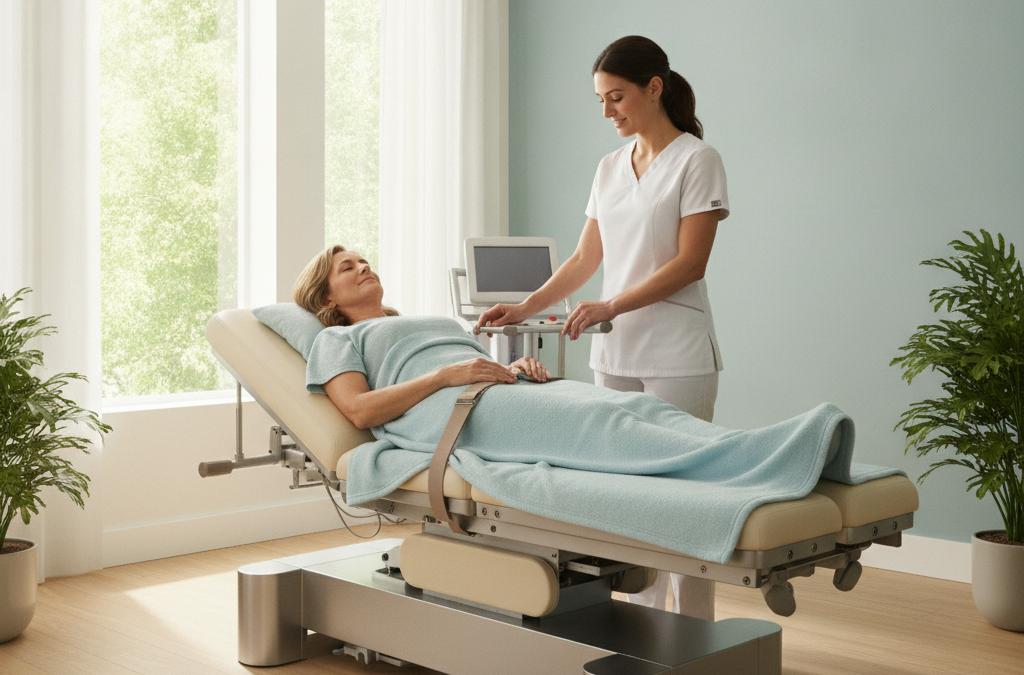
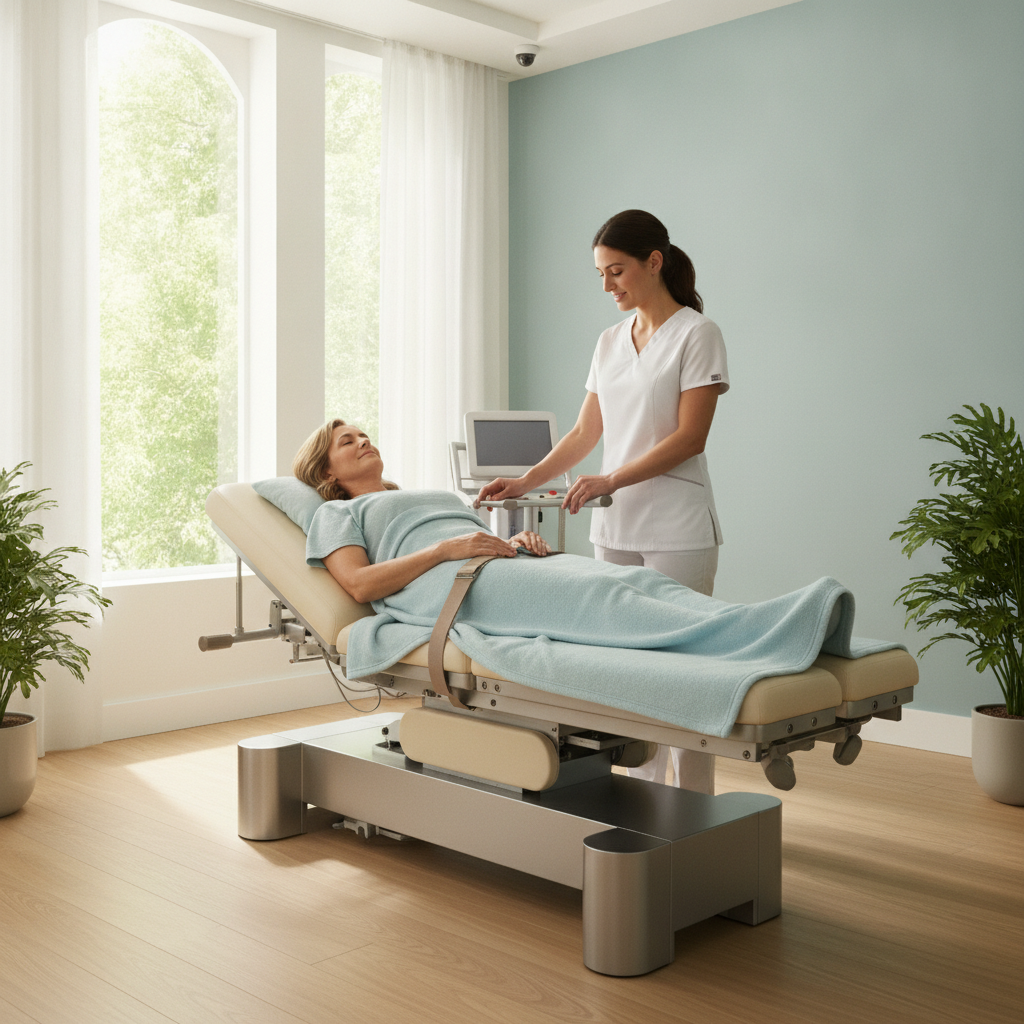
Spinal decompression therapy is a specialized technique designed to gently stretch the spine, creating negative pressure within the discs. This process can help retract bulging or herniated disc material, reducing pressure on nerves and promoting the movement of oxygen, water, and other essential nutrients into the discs. The therapy is typically performed on a motorized table, where patients are comfortably secured while the device applies controlled traction. Sessions are usually painless and may last between 20 to 45 minutes. Over time, this gentle stretching can support the body’s natural healing processes and potentially provide relief from symptoms. For those seeking bulging disc relief therapy, understanding how this method works is key to making informed decisions about your care.
Who May Benefit Most From This Approach
Not every patient with back pain is a candidate for spinal decompression therapy, but many individuals with bulging discs may find it especially beneficial. Those who have tried conservative treatments like rest, physical therapy, or medication without lasting relief often seek alternatives. This therapy is typically recommended for people who want to avoid surgery and are looking for a non-invasive way to address their symptoms. It can be suitable for adults of various ages, especially those who experience pain that radiates down the legs or have difficulty with everyday activities. Consulting with a Chiropractor in West Des Moines, IA can help determine if this therapy is a good fit for your specific situation, ensuring you receive tailored care based on your unique needs.
What to Expect During Your First Session
If you’re considering spinal decompression therapy, knowing what to expect can help ease any anxiety. During your initial session, your provider will review your medical history and perform a thorough assessment to confirm that you’re a good candidate. The therapy itself involves lying comfortably on a decompression table, where you’ll be gently secured. The machine then applies a controlled, gradual stretch to your spine, which most patients describe as relaxing. Some may feel mild stretching or pressure, but discomfort is rare. After the session, you may experience immediate relief or a gradual improvement over several visits. Your provider may also recommend complementary strategies, such as Chiropractic Strategies for Morning Back Stiffness and Reduced Mobility, to enhance your results and support long-term spinal health.
Integrating Spinal Decompression Into a Busy Lifestyle
Many people are concerned about fitting therapy sessions into their packed schedules. The good news is that spinal decompression appointments are typically brief and can often be scheduled at convenient times. For commuters or those with demanding jobs, finding a provider who understands your needs is essential. Some clinics even offer early morning or evening appointments to accommodate busy routines. If you spend long hours driving or sitting at a desk, you may also benefit from resources like Chiropractic Care for Commuters in West Des Moines: Managing Drive-Time Strain. By integrating therapy into your weekly routine, you can work toward relief without sacrificing productivity or personal time.
Comparing Spinal Decompression to Other Non-Surgical Options
When exploring solutions for bulging disc discomfort, it’s helpful to understand how spinal decompression compares to other non-surgical therapies. Physical therapy, chiropractic adjustments, and massage are common alternatives, each with its own strengths. Spinal decompression is unique in its targeted approach to relieving disc pressure, which can be especially beneficial for patients who have not found relief through other methods. Unlike medication, which only masks symptoms, decompression aims to address the underlying cause. It is also less invasive than injections or surgery, making it an appealing option for those who prefer a conservative route. Discussing your options with a knowledgeable provider ensures you choose the therapy that aligns best with your health goals and lifestyle.
The Science Behind Spinal Decompression Therapy
Scientific research continues to explore the effectiveness of spinal decompression therapy for disc-related conditions. The principle behind the therapy is based on creating negative intradiscal pressure, which can help retract bulging material and encourage nutrient exchange. Some studies suggest that patients experience reduced pain and improved mobility after a series of sessions. While individual results can vary, the therapy’s non-invasive nature and focus on supporting the body’s natural healing processes make it an attractive choice for many. It’s important to work with a provider who stays informed about the latest research and tailors treatment plans to your specific needs, ensuring you receive evidence-based care that prioritizes your well-being.
Safety Considerations and Potential Risks
Spinal decompression therapy is generally considered safe for most individuals, but like any medical procedure, it’s important to be aware of potential risks. Common side effects are mild and may include temporary soreness or increased sensitivity in the treated area. However, the therapy is not recommended for everyone. Those with severe osteoporosis, spinal fractures, tumors, or certain surgical implants may need to explore alternative treatments. A thorough evaluation by a qualified provider is essential to determine if you are a suitable candidate. Open communication about your medical history and any concerns will help ensure a safe and effective experience, giving you peace of mind as you pursue relief from bulging disc discomfort.
What Patients Say About Their Results
Many individuals who have tried spinal decompression therapy report positive outcomes, including reduced pain, improved range of motion, and a greater ability to participate in daily activities. While results can vary depending on the severity of the disc issue and overall health, patient feedback often highlights the non-invasive nature of the therapy and the comfort of the sessions. Some patients notice gradual improvements over several weeks, while others experience relief sooner. It’s important to set realistic expectations and commit to the recommended number of sessions for the best results. Listening to the experiences of others can provide encouragement and insight as you consider whether this approach is right for you.
Practical Tips for Supporting Spinal Health at Home
While spinal decompression therapy can play a key role in managing bulging disc symptoms, supporting your spinal health at home is equally important. Simple practices such as maintaining good posture, taking regular breaks from sitting, and engaging in gentle stretching can help protect your spine. Staying active, managing stress, and using ergonomic furniture at work and home also contribute to long-term wellness. Your provider may recommend specific exercises or lifestyle adjustments tailored to your needs. By combining professional therapy with healthy daily habits, you can maximize your chances of lasting relief and enjoy a more active, comfortable life in this community.
| Therapy Option | Typical Duration | Invasiveness | Potential Benefits |
|---|---|---|---|
| Spinal Decompression | 20-45 min/session | Non-invasive | Targets disc pressure, may reduce nerve pain |
| Physical Therapy | 30-60 min/session | Non-invasive | Strengthens muscles, improves mobility |
| Chiropractic Adjustments | 15-30 min/session | Non-invasive | Improves alignment, reduces discomfort |
| Surgical Intervention | Varies | Invasive | May be necessary for severe cases |
Final Thoughts
Spinal decompression therapy offers a promising, non-surgical avenue for those seeking relief from bulging disc discomfort. By understanding how this approach works, who may benefit most, and what to expect, you can make more informed choices about your spinal health. Integrating therapy with healthy habits and professional guidance can help you regain comfort and mobility, whether you’re managing a busy business, working long hours at a computer, or simply striving for a more active lifestyle. If you’re curious about whether spinal decompression could be the right fit for your needs, consider reaching out to a local provider for a personalized assessment. Taking proactive steps today may lead you toward a more comfortable, pain-free tomorrow in this vibrant community.