
You bend down to pick up a box, twist to grab something off the back seat, or sneeze at exactly the wrong moment, and suddenly your lower back seizes up. Sudden back strains have a way of arriving without warning and turning ordinary tasks into a negotiation. Many people in this situation wonder whether to rest, push through, or get help, and that uncertainty alone can slow recovery. If you have been searching for a chiropractor for back pain in West Des Moines IA, you are probably trying to understand what care could realistically look like in the days after an acute strain.
This guide walks through what actually happens in the body during a sudden strain, why the first week matters, how chiropractic care may fit into recovery, and what you can do at home to support it. It is written for busy people, whether you run a small business, spend long hours at a desk writing code, or simply want to get back to your routine without prolonging discomfort. Nothing here replaces a personal evaluation, but it should help you ask better questions and make calmer decisions when your back suddenly protests.
What Actually Happens During a Sudden Back Strain
A back strain generally involves the muscles or tendons that support your spine being stretched beyond their comfortable range, sometimes with small tears in the tissue. The lower back is a common site because it carries much of your upper body weight and takes the brunt of lifting, twisting, and bending. When tissue is overloaded, the body responds with inflammation and protective muscle guarding, which is why the area can feel tight, tender, and strangely locked.
That protective tightening is useful in the short term, but it can also create a cycle. Tight muscles limit movement, limited movement leads to stiffness, and stiffness makes the next movement feel even more painful. Joints in the spine may also become irritated and move less freely. If you want a clearer picture of how local care addresses this kind of discomfort, you can click here to see how a chiropractic approach to back pain is typically framed. Understanding the mechanics of a strain helps you separate normal healing soreness from signs that deserve closer attention.
Why the First Few Days Matter for Recovery
The early window after a strain is when most people make choices that either help or hinder healing. Some rest too long, believing stillness is safest. Others ignore the pain and return to heavy activity right away. Neither extreme tends to serve the tissue well. Gentle, tolerable movement generally supports circulation and prevents the deep stiffness that can come from staying in one position for hours.
It also helps to pay attention to patterns. Does the pain ease when you walk around, or does it spike with certain motions like bending forward or rising from a chair? Noting these details gives you something concrete to share with a provider. If you are looking for a Back pain chiropractor in West Des Moines Iowa, arriving with a short timeline of what happened, what makes it worse, and what brings relief can make the first visit far more productive. Early, informed action often keeps a minor strain from lingering longer than it needs to.
How Chiropractic Care May Support the Healing Process
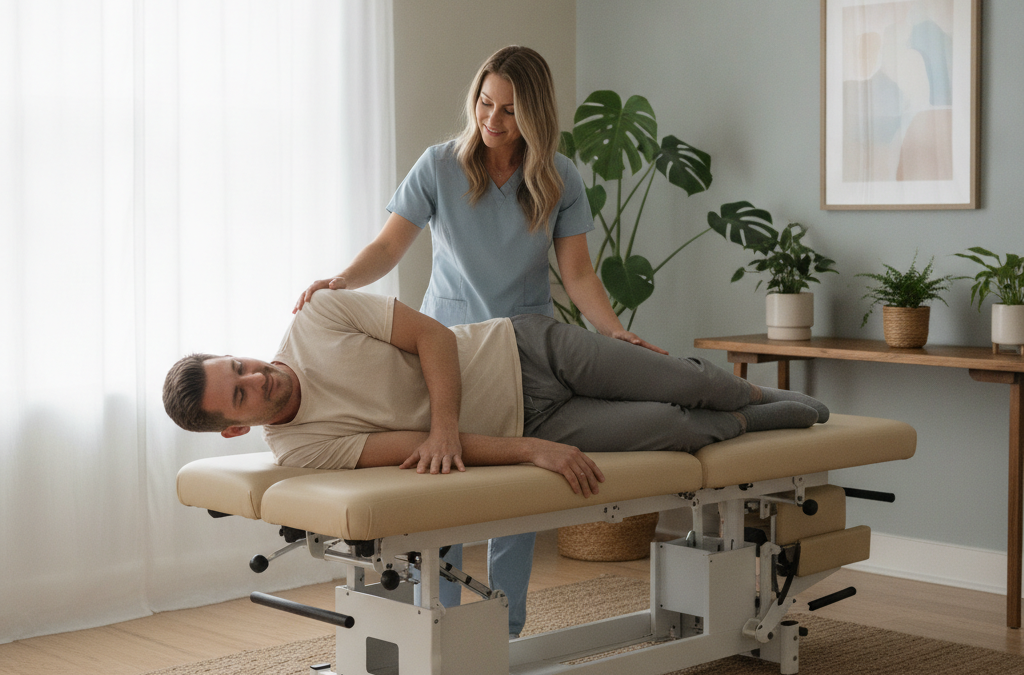
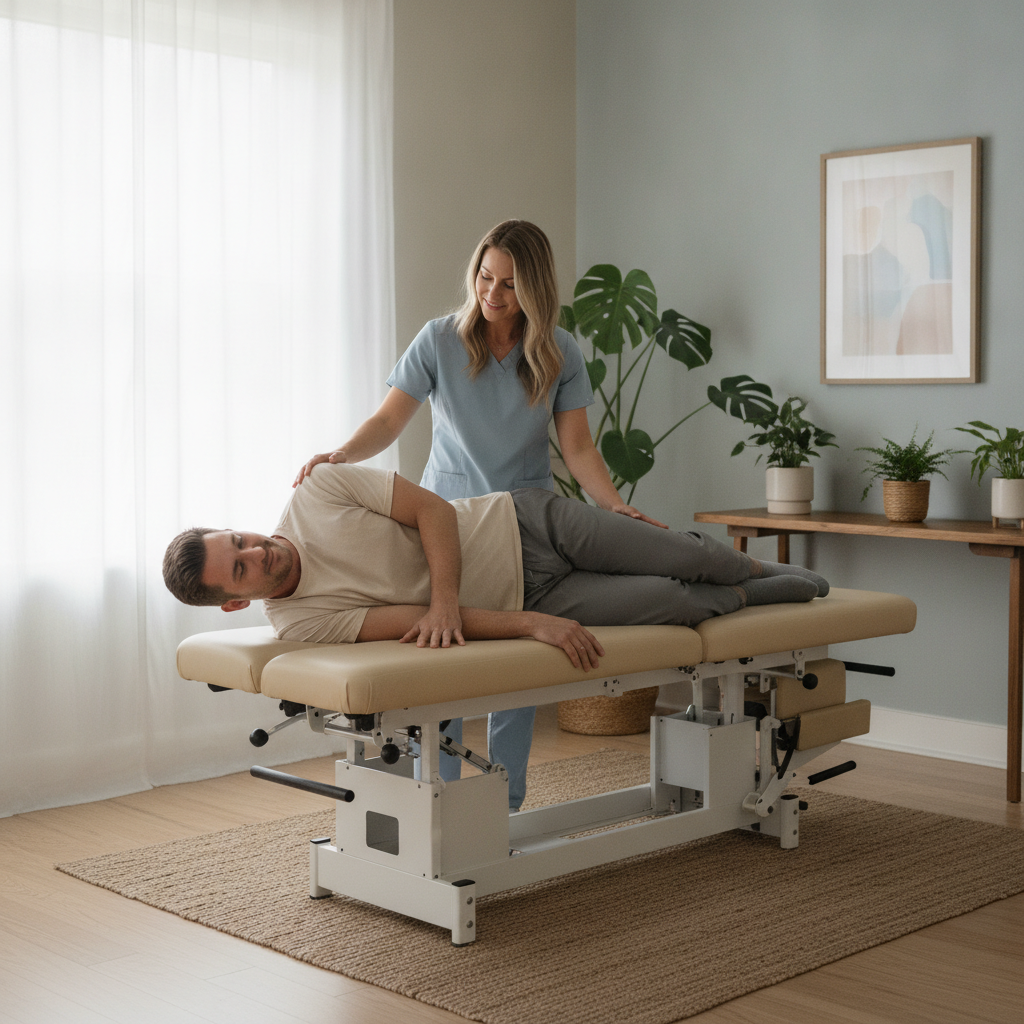
Chiropractic care focuses on how the spine and surrounding joints move and function. After a sudden strain, a chiropractor typically begins by asking about the event, reviewing your health history, and observing how you stand and move. From there, care may include gentle joint mobilization or adjustments, soft tissue work, and guidance on movement. The goal is generally to improve motion in restricted areas and reduce the mechanical stress that keeps muscles guarded.
It is worth being realistic here. Chiropractic care may support recovery, but results vary from person to person, and no single approach fits every strain. Some people notice improved mobility fairly quickly, while others need a more gradual plan. Working with a Chiropractor in West Des Moines, IA allows you to have an exam first, so recommendations are based on your specific presentation rather than guesswork. A good provider will explain what they find, outline options, and tell you plainly when something falls outside their scope.
Everyday Situations That Often Lead to Acute Strains
Acute strains rarely come from dramatic accidents. More often they follow ordinary moments performed with slightly poor timing or technique. Lifting a heavy object while twisting, reaching awkwardly into a trunk, shoveling snow, or hurrying through a workout without warming up are all familiar culprits. Even a long stretch of sitting followed by a sudden movement can catch the back off guard.
Seasonal tasks deserve special mention, because they combine repetition with unfamiliar loads. If outdoor chores are your trigger, the piece on Back Pain After Yard Work: Common Triggers and Chiropractic Solutions breaks down how those tasks stress the spine. For small business owners hauling inventory and developers hunched at desks for ten hours, the pattern is similar: a body conditioned for one posture is suddenly asked to do something different. Recognizing your own triggers is one of the simplest ways to reduce repeat episodes.
The Hidden Role of Hips and Pelvic Alignment
When the lower back strains, it is easy to assume the problem begins and ends there. In practice, the hips and pelvis often play a supporting role. If one hip is tighter or weaker than the other, the lower back may compensate every time you walk, lift, or climb stairs. Over time that extra workload can leave the area more vulnerable to a sudden strain.
This is why a thorough evaluation often looks beyond the sore spot. A provider may check how your pelvis sits, how evenly you bear weight, and how freely your hips rotate. To explore this idea in more depth, read The Connection Between Hip Imbalance and Persistent Back Pain, which explains how imbalances elsewhere can keep pain cycling back. Addressing the broader movement pattern, not just the painful area, is often what separates short-term relief from a more durable improvement in how your back handles daily demands.
Warning Signs That Call for Prompt Medical Attention
Most sudden back strains are mechanical and improve with time and sensible care. Still, certain symptoms should never be brushed aside. Because safety comes before any treatment philosophy, it helps to know which signs point toward something more serious than a muscle strain.
- Loss of bladder or bowel control, or numbness in the groin area
- Progressive weakness in one or both legs
- Back pain following a significant fall, car accident, or direct trauma
- Fever, unexplained weight loss, or pain that is worse at rest and wakes you at night
- Severe pain that does not ease at all with any position
If any of these apply, seek emergency or urgent medical care rather than waiting for a chiropractic appointment. A responsible chiropractor will also screen for these red flags during the first visit and will refer you elsewhere when your presentation calls for it.
Strain, Sprain, or Something Else? A Quick Comparison
People often use the words strain and sprain interchangeably, but they describe different tissues, and the distinction can shape how you think about recovery. The table below offers a simple overview. It is a general guide only, and an in-person exam is the only reliable way to know what is happening in your own back.
| Condition | Tissue Involved | Typical Feel |
|---|---|---|
| Muscle strain | Muscles or tendons | Aching, tightness, spasm with movement |
| Ligament sprain | Ligaments around joints | Sharp pain, joint tenderness, instability |
| Joint irritation | Small spinal joints | Localized pain, stiffness, catching on movement |
| Nerve involvement | Irritated spinal nerves | Radiating pain, tingling, or numbness into the leg |
What a First Visit Usually Looks Like
Walking into an unfamiliar office while in pain can feel intimidating, so it helps to know the general flow. A first visit typically begins with a conversation about how the injury happened, where you feel it, and what you have already tried. You will likely fill out a health history form, and the provider may ask about work, exercise, sleep, and past injuries, since all of these shape how your back responds.
Next comes a physical exam. Expect observation of your posture and gait, range of motion testing, and hands-on palpation of the sore areas. Orthopedic and neurological checks may be used to rule out nerve involvement. Depending on findings, imaging might be discussed, though it is not automatically needed for every strain. Afterward, the provider should explain what they found in plain language, describe the proposed plan, and give you realistic expectations for timing so you can decide whether it feels like the right fit.
Simple Home Strategies to Complement Professional Care
What you do between appointments often matters as much as what happens during them. In the first day or two, many people find that applying cold for short periods helps with soreness, and then switching to gentle warmth helps loosen guarded muscles. Short, frequent walks tend to be kinder to a strained back than long stretches of lying down.
Position changes help too. If you sit for work, set a reminder to stand and move every thirty to forty-five minutes. When sleeping, many people are more comfortable on their side with a pillow between the knees, or on their back with a pillow under the knees. Avoid sudden twisting and heavy lifting while the area is irritated. If you are unsure which gentle stretches or movements are appropriate for your situation, ask your provider to recommend a few specific ones rather than copying generic routines, since the wrong stretch at the wrong time can aggravate an acute strain.
Setting Realistic Expectations for Recovery Time
One of the most helpful things a provider can do is set honest expectations. Mild strains often settle within days to a few weeks, while more significant ones can take longer. Recovery is rarely a straight line. You may feel noticeably better one morning and stiff again the next, which is a normal part of healing rather than a sign that something has gone wrong.
Several factors influence the timeline, including your age, general fitness, how severe the strain was, how soon you addressed it, and whether you keep repeating the movement that caused it. Stress and poor sleep can also slow progress by keeping muscles tense and pain sensitivity elevated. Rather than chasing a specific number of visits, focus on trends: Is your range of motion improving? Can you do more each week with less discomfort? Measuring progress this way keeps you grounded and gives you useful information to discuss at follow-up appointments.
Reducing the Odds of Re-Straining Your Back
Once the acute pain fades, the real opportunity begins. A back that has strained once can be more likely to do so again if the underlying habits stay the same. Building trunk and hip strength, improving flexibility, and practicing sound lifting mechanics all contribute to a more resilient spine.
- Bend at the hips and knees, and keep loads close to your body when lifting
- Avoid twisting while carrying weight; move your feet to turn instead
- Warm up briefly before exercise, yard work, or physical chores
- Break up long periods of sitting with short movement breaks
- Strengthen your core and glutes with guidance suited to your ability
Small, consistent habits usually outperform occasional heroic efforts. A provider can help tailor these ideas to your job, hobbies, and body so the plan is practical enough that you will actually follow it.
Final Thoughts
A sudden back strain can feel alarming, but understanding what is happening and responding thoughtfully often makes the experience far more manageable. The key ideas are straightforward. Take the early days seriously without overreacting, keep gently moving, know the warning signs that call for urgent care, and consider professional guidance when pain limits your normal routine or fails to improve as expected.
Chiropractic care may support recovery by addressing joint motion, muscle tension, and movement patterns that keep an acute strain lingering, and it works best alongside smart home habits and realistic expectations. Results differ from person to person, so an individual exam is always the right starting point. If you decide to look for a chiropractor for back pain in West Des Moines IA, come prepared with a clear description of what happened, ask questions about the plan, and expect straightforward answers about timing and next steps.
Above all, remember that most strains improve, and the choices you make in the first days and weeks can meaningfully influence how smoothly you get back to work, family, and the activities you enjoy. Treat your back with patience, and it will usually reward you with a steady, durable return to normal.