Back pain and spinal issues can disrupt every aspect of daily life, from work to family time. For many people in need of relief, Spinal Decompression Therapy West Des Moines IA is a term that keeps coming up in conversations about non-surgical solutions. But why do chiropractors so often combine spinal decompression with other therapies? The answer lies in the complex nature of spinal health and the need for a holistic approach to healing. In this article, we’ll break down how spinal decompression works, why it’s rarely used alone, and how integrating it with other chiropractic treatments can lead to better, longer-lasting results. Whether you’re a small business owner, a developer glued to your desk, or simply someone seeking answers for chronic back pain, understanding these combinations can help you make informed decisions about your care and recovery.
What Is Spinal Decompression Therapy?
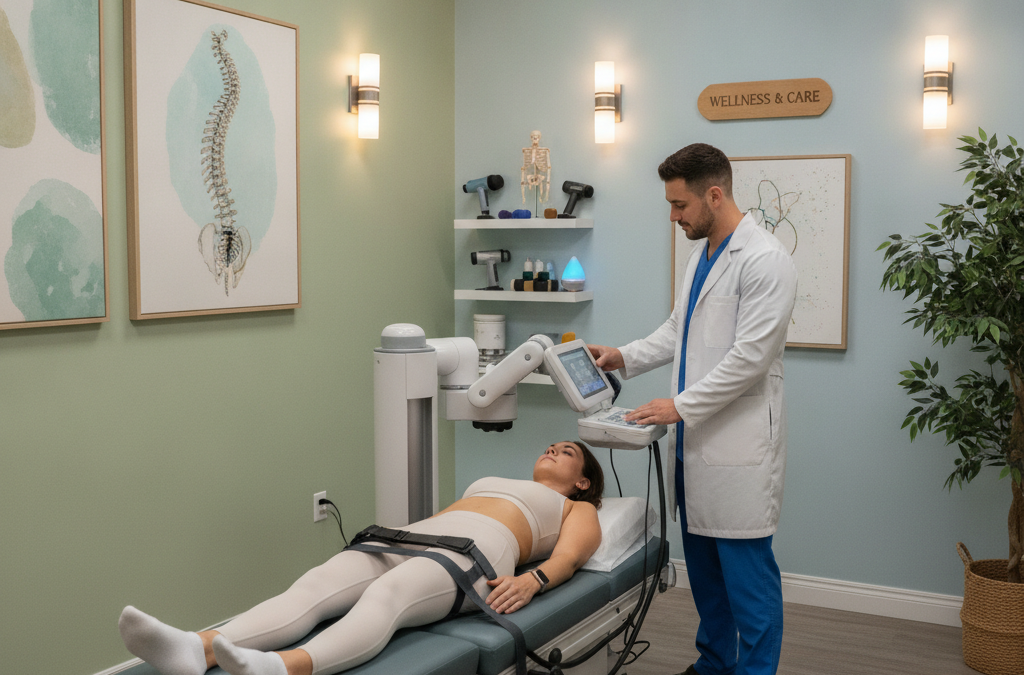
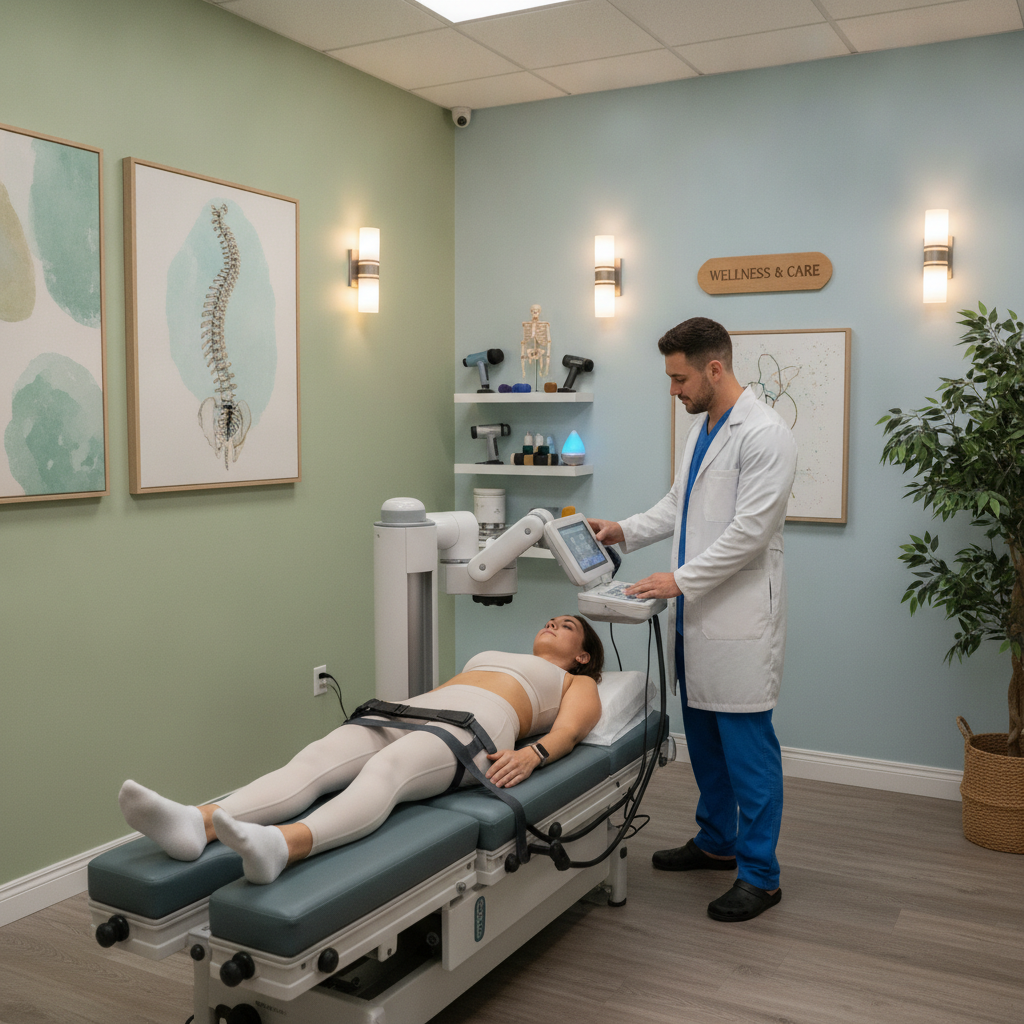
Spinal decompression therapy is a non-surgical treatment designed to relieve pressure on the spinal discs and nerves. Using a specialized table, patients are gently stretched and relaxed in cycles, which creates negative pressure within the disc. This negative pressure can help retract herniated or bulging discs, promote the movement of oxygen and nutrients into the disc, and provide relief from pain caused by nerve compression. The process is comfortable and controlled, making it a popular choice for people who want to avoid surgery or medication.
While the therapy itself is straightforward, the conditions it addresses are often complex. Issues like herniated discs, sciatica, degenerative disc disease, and chronic lower back pain rarely exist in isolation. That’s why spinal decompression is typically just one piece of a comprehensive care plan. Clinics such as Complete Wellness Chiropractic have found that integrating decompression with other modalities can significantly improve patient outcomes.
By targeting the root causes of spinal discomfort and creating an environment for healing, spinal decompression therapy offers hope for those who have struggled with persistent pain. But to maximize its benefits, it’s important to understand how and why it’s combined with other chiropractic treatments.
How Chiropractic Adjustments Complement Decompression
Chiropractic adjustments, also known as spinal manipulations, are a cornerstone of chiropractic care. These precise, controlled movements help restore alignment to the spine, improve joint mobility, and reduce nerve irritation. When combined with spinal decompression therapy, adjustments can enhance the effectiveness of both treatments.
Decompression relieves pressure on the discs, making it easier for chiropractors to perform adjustments with less resistance and discomfort. At the same time, adjustments help maintain the improved alignment and mobility achieved through decompression. This synergy can lead to faster pain relief, improved posture, and better long-term spinal health.
For example, a patient with chronic lower back pain might start with a series of decompression sessions to reduce disc pressure and inflammation. Once the acute pain subsides, chiropractic adjustments can help correct underlying misalignments that contributed to the problem in the first place. This integrated approach addresses both symptoms and root causes, offering a more complete solution than either therapy alone.
If you’re curious about how these therapies work together for specific conditions like degenerative disc disease, check out Can Spinal Decompression Help Degenerative Disc Disease? A West Des Moines Guide for a deeper dive.
Therapeutic Exercises and Their Role in Recovery
Therapeutic exercises are a vital component of most chiropractic care plans. These exercises are tailored to each patient’s specific needs and are designed to strengthen the muscles that support the spine, improve flexibility, and prevent future injuries. When paired with spinal decompression therapy, therapeutic exercises can help maintain the positive changes achieved during treatment.
After decompression relieves pressure on the discs and nerves, patients often experience increased mobility and reduced pain. This window of relief is the perfect time to introduce exercises that stabilize the spine and correct muscle imbalances. Over time, these exercises help patients develop better posture, core strength, and body mechanics, reducing the likelihood of recurring pain.
For those wondering if a non-surgical approach is right for their back pain, resources like Is Non-Surgical Care Right for Your Back Pain? A West Des Moines Guide can provide valuable insights into the benefits of combining decompression with exercise and other therapies.
The key is consistency. Patients who actively participate in their recovery through exercise tend to see faster improvements and are less likely to experience setbacks. This proactive approach empowers individuals to take control of their health and maintain the gains achieved through decompression therapy.
Soft Tissue Therapies: Massage, Myofascial Release, and More
Soft tissue therapies such as massage and myofascial release play a critical role in chiropractic care, especially when combined with spinal decompression. These therapies target the muscles, ligaments, and fascia surrounding the spine, addressing tension, knots, and scar tissue that can contribute to pain and restricted movement.
After a decompression session, the spine is often more mobile and receptive to soft tissue work. Massage can help relax tight muscles that may have been compensating for spinal misalignments or disc issues. Myofascial release techniques, on the other hand, focus on breaking up adhesions and restoring normal movement patterns. Both approaches can enhance circulation, reduce inflammation, and promote faster healing.
Combining these therapies creates a comprehensive treatment plan that addresses both the structural and muscular components of spinal health. By relieving muscle tension and improving tissue quality, soft tissue therapies support the long-term benefits of spinal decompression and help prevent future flare-ups.
- Increased flexibility and range of motion
- Reduced muscle spasms
- Improved blood flow to injured areas
- Enhanced sense of well-being and relaxation
For many patients, the combination of decompression and soft tissue therapy is the missing link that accelerates recovery and supports long-term spinal health.
Why a Multimodal Approach Works Best
The spine is a complex structure made up of bones, discs, nerves, muscles, and connective tissue. When one part is injured or misaligned, it can affect the entire system. That’s why a multimodal approach, combining decompression, adjustments, exercise, and soft tissue therapy, often leads to the best outcomes.
Each therapy addresses a different aspect of spinal health. Decompression targets the discs and nerves, adjustments restore alignment, exercises build strength and stability, and soft tissue therapies relieve muscle tension. Together, they create a synergistic effect that accelerates healing and reduces the risk of recurring problems.
Research and clinical experience have shown that patients who receive integrated care report greater improvements in pain, function, and quality of life compared to those who rely on a single therapy. This holistic approach is especially important for individuals with chronic or complex spinal conditions, as it addresses both the symptoms and the underlying causes of pain.
Ultimately, the goal is to restore balance to the spine and help patients return to their normal activities with confidence and comfort.
Personalizing Treatment Plans for Lasting Results
No two spines are exactly alike, and neither are the causes of back pain. That’s why chiropractors in the area take a personalized approach to treatment. After a thorough assessment, they develop a customized care plan that may include spinal decompression, adjustments, exercise, and soft tissue therapies in varying combinations and sequences.
Personalization is key to achieving lasting results. For instance, a patient with acute disc herniation might need more frequent decompression sessions at first, followed by gradual introduction of exercises and adjustments as their pain decreases. Someone with chronic muscle tension and poor posture may benefit from regular massage and targeted stretches alongside decompression.
By tailoring the plan to each individual’s needs, chiropractors can address the specific factors contributing to pain and dysfunction. This approach also allows for adjustments as the patient progresses, ensuring that care remains effective and relevant throughout the recovery process.
The result? Patients are more likely to experience meaningful improvements in pain, mobility, and overall well-being.
Patient Education: Empowering You for Self-Care
Education is a powerful tool in the journey to spinal health. Chiropractors don’t just treat symptoms, they teach patients how to care for their spines between visits. This might include instruction on proper posture, ergonomic tips for workstations, safe lifting techniques, and home exercises.
By understanding how daily habits impact spinal health, patients can make informed choices that support their recovery and prevent future issues. For example, learning how to set up an ergonomic workspace can reduce the risk of recurring back pain for office workers and developers. Practicing recommended stretches and exercises at home helps maintain flexibility and strength.
Empowered patients are more likely to stick with their treatment plans and achieve better outcomes. Education also fosters a sense of partnership between patient and provider, making the healing process more collaborative and effective.
- Tips for maintaining good posture
- Guidance on safe movements and lifting
- Advice on managing stress and sleep
- Support for making healthy lifestyle changes
This focus on education ensures that the benefits of spinal decompression and other therapies extend far beyond the clinic.
The Role of Lifestyle Modifications in Spinal Health
Lifestyle factors such as physical activity, diet, stress management, and sleep quality all play a significant role in spinal health. Chiropractors often recommend lifestyle modifications as part of a comprehensive care plan, especially when spinal decompression therapy is involved.
For example, staying active with low-impact exercise can help maintain the mobility gained from decompression sessions. Eating a balanced diet rich in anti-inflammatory foods supports tissue healing and reduces discomfort. Managing stress through relaxation techniques or mindfulness can decrease muscle tension and improve overall well-being.
Sleep is another crucial factor. Poor sleep posture or inadequate rest can undermine the progress made during treatment. Chiropractors may offer advice on choosing the right mattress or pillow, and on establishing a sleep routine that promotes spinal alignment.
By addressing these lifestyle factors, patients can support their body’s natural healing processes and enhance the effectiveness of spinal decompression and other therapies.
Comparing Spinal Decompression Combinations: A Practical Table
| Combination Therapy | Primary Benefits | Best For |
|---|---|---|
| Decompression + Chiropractic Adjustments | Improved alignment, reduced nerve pressure, enhanced mobility | Herniated discs, sciatica, chronic misalignments |
| Decompression + Therapeutic Exercise | Strengthens core, prevents recurrence, increases flexibility | Chronic back pain, posture issues, injury prevention |
| Decompression + Soft Tissue Therapy | Reduces muscle tension, promotes healing, eases discomfort | Muscle spasms, tension headaches, postural strain |
| Multimodal (All of the Above) | Comprehensive care, addresses multiple causes, long-term results | Complex or chronic spinal conditions |
This table highlights how different combinations of therapies can be tailored to address specific spinal issues, ensuring that each patient receives the most effective care for their unique needs.
What to Expect During Integrated Chiropractic Care
If you’re considering spinal decompression therapy, you might wonder what a typical integrated care plan looks like. Most patients begin with a thorough evaluation, including a review of medical history, physical examination, and sometimes diagnostic imaging. This helps the chiropractor determine the underlying causes of pain and develop a customized treatment plan.
A typical plan might start with a series of decompression sessions to relieve acute symptoms. As pain decreases and mobility improves, chiropractic adjustments and therapeutic exercises are introduced to correct alignment and build strength. Soft tissue therapies may be added to address muscle tension and support healing.
Throughout the process, patients receive education on self-care, posture, and lifestyle modifications. Progress is monitored regularly, and the plan is adjusted as needed to ensure ongoing improvement. The ultimate goal is to help patients return to their normal activities with less pain and greater confidence.
Integrated care is collaborative, with the chiropractor and patient working together to achieve the best possible outcomes. This approach not only addresses current symptoms but also helps prevent future problems, making it a smart choice for anyone seeking long-term spinal health.
Choosing the Right Chiropractic Provider in West Des Moines
Finding the right chiropractic provider is essential for achieving the best results from spinal decompression therapy and related treatments. In West Des Moines, patients have access to a variety of clinics and practitioners, each with their own approach and specialties.
When choosing a provider, consider their experience with integrated care, the range of therapies offered, and their commitment to personalized treatment plans. Look for clinics that prioritize patient education and empower you to take an active role in your recovery. Reading reviews, asking for recommendations, and scheduling a consultation can help you find a provider who aligns with your needs and values.
Remember, the best results come from a collaborative relationship between you and your chiropractor. Don’t hesitate to ask questions, share your goals, and discuss any concerns you may have. With the right provider, you can feel confident that you’re receiving comprehensive care tailored to your unique situation.
Final Thoughts
Spinal decompression therapy is a powerful tool for relieving back pain and supporting spinal health, but it’s most effective when combined with other chiropractic therapies. By integrating decompression with adjustments, exercise, soft tissue work, and patient education, chiropractors in West Des Moines and beyond are helping patients achieve lasting relief and improved quality of life. Whether you’re dealing with chronic pain, recovering from an injury, or simply seeking to maintain a healthy spine, a multimodal approach offers the best chance for success. Take the time to find a provider who understands your needs and is committed to personalized, comprehensive care, your spine will thank you.