
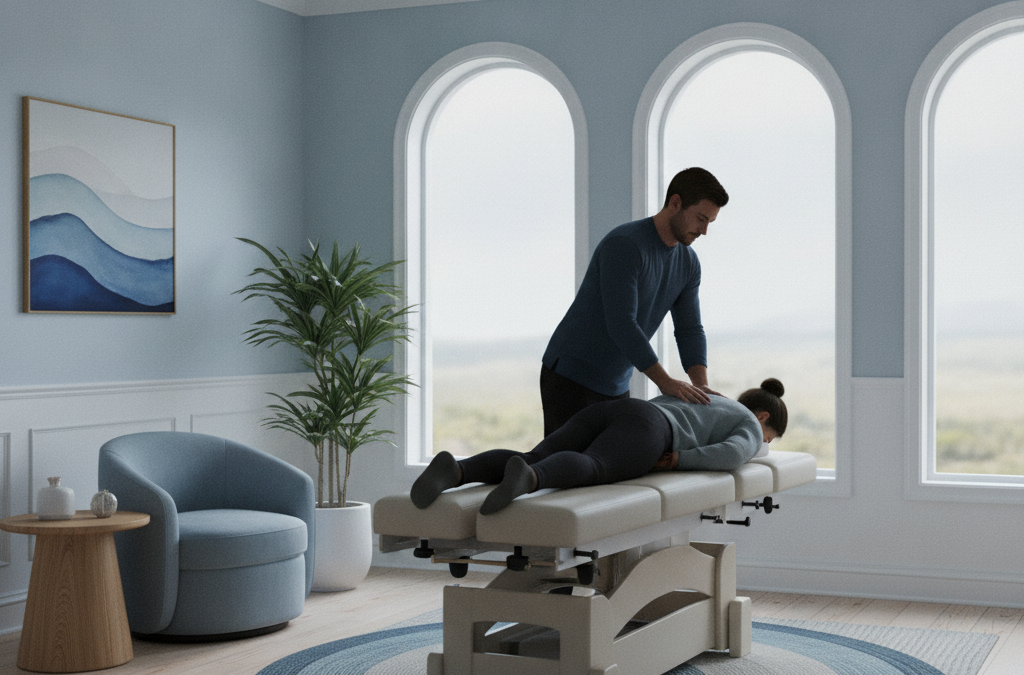
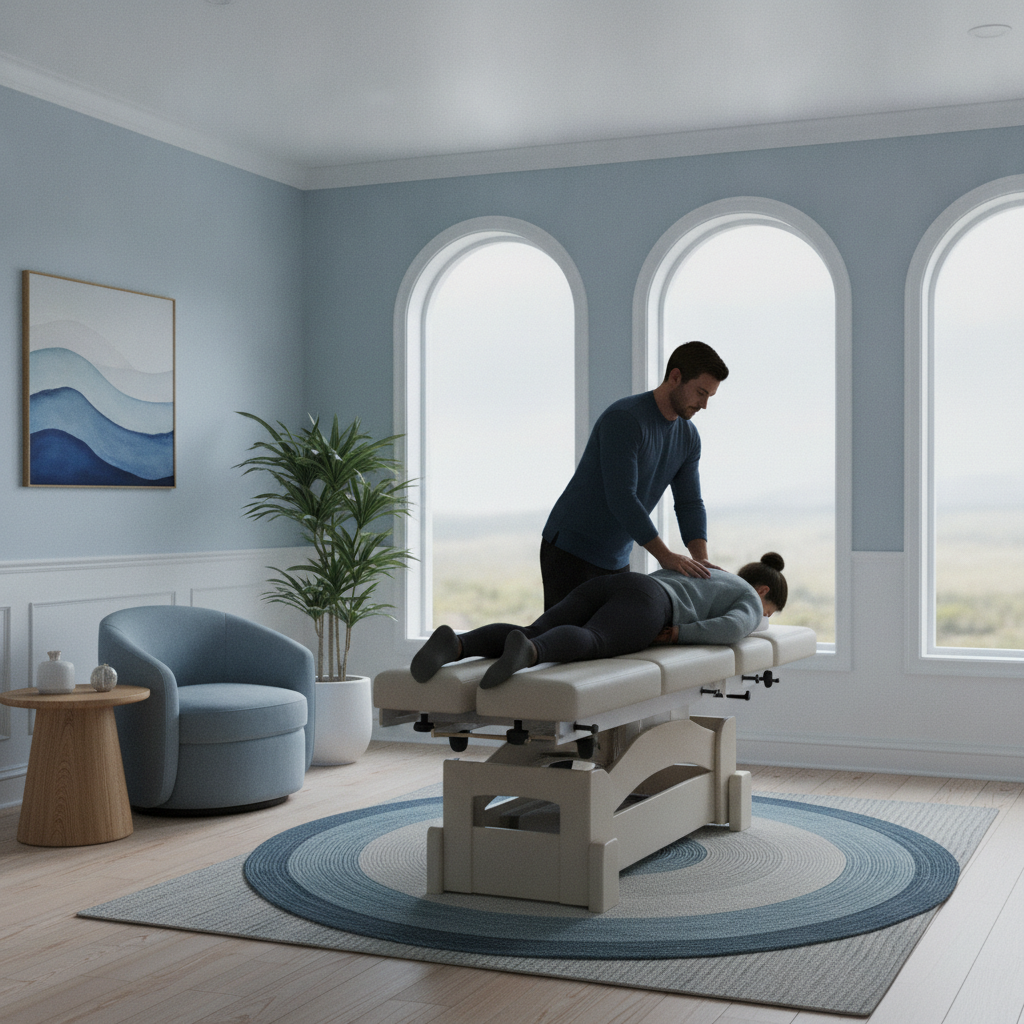
If you’ve ever experienced the sharp, radiating pain of sciatica, you know how disruptive it can be to your daily life. For small business owners, developers, and anyone juggling a busy routine, back pain isn’t just uncomfortable, it can seriously impact productivity and quality of life. That’s why many locals are searching for a chiropractor for back pain West Des Moines IA residents trust. Chiropractic adjustments are gaining recognition for their ability to relieve sciatica symptoms, restore mobility, and help people get back to doing what they love. In this article, we’ll explore how chiropractic care addresses sciatica, what to expect from adjustments, and how you can take proactive steps toward lasting relief. Whether you’re new to chiropractic or considering a change in your back pain management strategy, you’ll find practical insights and actionable tips right here.
Understanding Sciatica and Its Impact
Sciatica is more than just a simple backache. It refers to pain that originates in the lower back and travels down one or both legs along the path of the sciatic nerve. This discomfort can range from a mild ache to a sharp, burning sensation or even numbness and tingling. For business owners and developers who spend long hours sitting at a desk or standing on their feet, sciatica can quickly become a major obstacle to productivity and well-being.
The causes of sciatica are varied. Herniated discs, spinal stenosis, muscle imbalances, or even simple posture issues can all put pressure on the sciatic nerve. The result? Pain that can make it difficult to focus, move comfortably, or even sleep through the night. Many people try to manage symptoms with over-the-counter pain relievers, but these often provide only temporary relief and do not address the underlying cause.
Chiropractic care offers a drug-free, non-invasive approach to tackling sciatica at its source. By focusing on spinal alignment and nerve function, chiropractors aim to relieve pressure on the sciatic nerve and promote natural healing. Clinics like Complete Wellness Chiropractic have become trusted resources for those seeking long-term solutions to back pain and sciatica in the area.
How Chiropractic Adjustments Target Sciatic Nerve Pain
Chiropractic adjustments are at the core of many sciatica relief strategies. But how exactly do these gentle manipulations help with sciatic nerve pain? The answer lies in the relationship between spinal alignment and nerve function. When vertebrae in the lower back are misaligned, they can compress or irritate the sciatic nerve roots, leading to pain, numbness, or weakness that radiates down the leg.
A chiropractor assesses your posture, spinal mobility, and overall musculoskeletal health. Using precise, controlled force, they perform adjustments to realign the spine and relieve pressure on the affected nerves. This can help restore normal nerve signaling, reduce inflammation, and improve blood flow to the area. Many patients report significant relief after just a few sessions, though the number of visits needed varies depending on the severity and cause of the sciatica.
In addition to adjustments, chiropractors may recommend complementary therapies such as stretching, targeted exercises, or ergonomic changes to your workspace. For those interested in a deeper dive into non-surgical options, the article How Spinal Decompression Therapy Supports Herniated Disc Recovery in West Des Moines, IA offers more insight into how spinal health impacts nerve pain and recovery.
Everyday Habits That Can Worsen Sciatica
While chiropractic adjustments are a powerful tool for sciatica relief, your daily habits play a significant role in either supporting or sabotaging your recovery. Many people unknowingly engage in activities that put additional stress on their lower back and sciatic nerve. For example, prolonged sitting, especially with poor posture, can tighten the muscles around the spine and pelvis, increasing nerve compression. Lifting heavy objects incorrectly or neglecting regular movement can also contribute to flare-ups.
Even seemingly harmless routines, like crossing your legs or sleeping in an awkward position, may exacerbate sciatic pain. That’s why chiropractors often educate patients about the importance of ergonomic workspaces, regular stretching, and mindful movement throughout the day. Small adjustments, such as using a lumbar support cushion, standing up every hour, or practicing gentle yoga, can make a significant difference in how you feel.
If you’re interested in more holistic strategies, check out Natural Ways a West Des Moines Chiropractor May Support Daily Back Mobility for practical tips on keeping your spine healthy between chiropractic visits.
What to Expect During Your First Chiropractic Visit
If you’re considering chiropractic care for sciatica, your first visit will likely begin with a thorough assessment. The chiropractor will ask about your medical history, current symptoms, and lifestyle habits. They may perform physical exams to assess your posture, range of motion, and nerve function. Some clinics also use imaging tools, such as X-rays, to get a clearer picture of your spine’s alignment.
Based on this evaluation, a personalized care plan is developed. This may include a series of spinal adjustments, targeted exercises, and recommendations for lifestyle modifications. The goal is not only to relieve your current pain but also to address the root causes and prevent future episodes. Many patients appreciate the collaborative approach, where they are encouraged to ask questions and actively participate in their recovery journey.
It’s normal to feel a mix of anticipation and curiosity before your first adjustment. Most people find the process comfortable and experience a sense of relief or increased mobility soon after. Open communication with your chiropractor ensures that your care is tailored to your specific needs and comfort level.
Comparing Chiropractic Adjustments to Other Sciatica Treatments
When it comes to managing sciatica, there are several treatment options available. Physical therapy, medications, injections, and even surgery may be considered in severe cases. However, chiropractic adjustments stand out for their non-invasive nature and focus on restoring the body’s natural function.
Unlike medications, which mainly mask symptoms, chiropractic care aims to correct the underlying biomechanical issues causing nerve irritation. Physical therapy and chiropractic often complement each other, with adjustments improving spinal alignment and physical therapy building strength and flexibility. Surgery is typically reserved for cases where conservative measures have failed or when there is significant nerve damage.
The table below provides a comparison of common sciatica treatments:
| Treatment | Invasiveness | Addresses Cause? | Recovery Time |
|---|---|---|---|
| Chiropractic Adjustments | Non-invasive | Yes | Minimal |
| Physical Therapy | Non-invasive | Partially | Minimal |
| Medications | Non-invasive | No | None |
| Injections | Minimally invasive | No | Short |
| Surgery | Invasive | Yes | Weeks to months |
As shown above, chiropractic adjustments offer a unique combination of being non-invasive while addressing the root cause of sciatic pain for many people. This makes them a preferred option for those seeking to avoid medication or surgery whenever possible.
The Role of Posture and Ergonomics in Sciatica Relief
Posture isn’t just about standing up straight, it’s a critical component of spinal health and sciatica prevention. Poor posture, especially when sitting for extended periods, can lead to muscle imbalances and increased pressure on the lower back. Over time, this stress may contribute to the onset or worsening of sciatic nerve pain.
Chiropractors often assess and correct postural issues as part of a comprehensive care plan. They may recommend ergonomic adjustments to your workstation, such as raising your monitor to eye level, using a supportive chair, or placing your feet flat on the floor. Simple changes like these can reduce the strain on your spine and help maintain the benefits of chiropractic adjustments.
Incorporating regular movement breaks, gentle stretches, and core strengthening exercises into your daily routine can also support spinal alignment. By being proactive about posture and ergonomics, you can minimize the risk of future sciatica flare-ups and support your overall well-being.
Chiropractic Techniques Used for Sciatica Relief
Not all chiropractic adjustments are the same. Depending on the underlying cause of your sciatica, chiropractors may use a variety of techniques to provide relief. The most common method is the diversified technique, which involves hands-on spinal manipulation to improve alignment and mobility. For those who prefer a gentler approach, activator methods use a small handheld device to deliver precise, low-force adjustments.
Flexion-distraction is another popular technique, especially for patients with herniated discs or spinal stenosis. This involves a specialized table that gently stretches and flexes the spine, reducing pressure on the sciatic nerve. Some chiropractors also incorporate soft tissue therapies, such as massage or myofascial release, to address muscle tension and improve circulation in the affected area.
Your chiropractor will tailor their approach based on your unique needs, preferences, and response to care. Open communication about your comfort level and progress is key to achieving the best possible results.
Lifestyle Changes to Support Chiropractic Care
Chiropractic adjustments can provide significant relief from sciatica, but making positive lifestyle changes can enhance and prolong those benefits. Regular physical activity, such as walking, swimming, or yoga, helps keep the spine flexible and supports overall health. Maintaining a healthy weight reduces stress on the lower back and can decrease the frequency and intensity of sciatic pain episodes.
Nutrition also plays a role in spinal health. A diet rich in anti-inflammatory foods, such as leafy greens, berries, nuts, and fatty fish, can help reduce inflammation around the sciatic nerve. Staying hydrated supports disc health and overall mobility.
Finally, practicing stress management techniques, such as deep breathing or meditation, can help relax tense muscles and promote healing. By adopting a holistic approach to health, you can maximize the benefits of chiropractic care and enjoy lasting relief from sciatica.
When to Seek Chiropractic Help for Sciatica
It’s not always easy to know when sciatica symptoms warrant professional attention. Mild discomfort that resolves with rest or gentle stretching may not require immediate care. However, if you experience persistent pain, numbness, weakness, or difficulty performing daily activities, it’s time to consult a chiropractor.
Early intervention can prevent minor issues from becoming chronic problems. Chiropractors are trained to identify the root causes of sciatic pain and develop personalized treatment plans. They can also refer you to other healthcare providers if your condition requires additional evaluation or intervention.
Don’t wait until the pain becomes unbearable. Seeking help at the first sign of trouble can lead to faster recovery and a better quality of life.
Sciatica Relief Success Stories from the Community
Many residents have found lasting relief from sciatica through chiropractic care. While each journey is unique, common themes emerge: improved mobility, reduced pain, and a renewed sense of confidence in daily life. Business owners and professionals who once struggled to get through the workday now report greater productivity and energy.
These success stories highlight the value of a holistic, patient-centered approach. By addressing spinal alignment, nerve health, and lifestyle factors, chiropractic care empowers individuals to take control of their well-being. If you’re considering this path, know that you’re not alone, many in the community have walked this road before you and found hope and healing.
Key Takeaways
Sciatica can be a persistent and frustrating condition, but it doesn’t have to define your life. Chiropractic adjustments offer a safe, effective, and non-invasive way to relieve sciatic nerve pain, restore mobility, and support long-term spinal health. By partnering with a skilled chiropractor for back pain in West Des Moines IA, adopting healthy habits, and staying proactive about your well-being, you can reclaim your comfort and get back to enjoying the activities you love. Remember, early intervention and a holistic approach are key to lasting relief. If you’re ready to take the next step, reach out to a local chiropractic clinic and start your journey toward a pain-free future.