Degenerative disc disease is a common culprit behind chronic back pain, stiffness, and reduced mobility for people from all walks of life. If you’re a small business owner, developer, or simply someone who spends long hours at a desk, you know how disruptive this condition can be. The good news is that innovative, non-surgical options like Spinal Decompression Therapy West Des Moines IA are gaining traction as a way to help manage symptoms and restore quality of life. But does spinal decompression really make a difference for degenerative disc disease? In this comprehensive guide, we’ll explore what degenerative disc disease is, how spinal decompression works, and what you need to know if you’re considering this therapy in the area. Whether you’re seeking relief for yourself or researching options for a loved one, you’ll find practical insights, honest answers, and a clear look at what to expect from this modern approach to back care.
What Is Degenerative Disc Disease?
Degenerative disc disease (DDD) is not actually a disease, but rather a term used to describe the natural wear and tear that occurs in the spinal discs as we age. These discs act as shock absorbers between the vertebrae, helping the spine move smoothly and comfortably. Over time, the discs can lose water content, become thinner, and develop tiny tears or cracks. This process can lead to pain, stiffness, and sometimes nerve irritation if the disc material presses on nearby nerves.
Symptoms of DDD vary widely. Some people experience mild discomfort, while others may have persistent pain that radiates into the arms or legs. Daily activities like sitting, standing, or lifting can become challenging. For business owners and professionals, this can impact productivity and overall well-being.
While aging is the primary factor, genetics, lifestyle, repetitive movements, and previous injuries can all contribute to disc degeneration. Importantly, not everyone with disc changes will have symptoms, but for those who do, finding effective relief is a top priority.
If you’re exploring treatment options, Complete Wellness Chiropractic offers a range of approaches to help manage DDD and improve daily function.
Understanding Spinal Decompression Therapy
Spinal decompression therapy is a non-surgical technique designed to relieve pressure on spinal discs and nerves. Using a specialized traction table or device, the therapy gently stretches the spine, creating negative pressure within the discs. This process aims to encourage the retraction of bulging or herniated disc material, promote the movement of water, oxygen, and nutrients into the discs, and support the body’s natural healing process.
Unlike traditional traction, modern spinal decompression is computer-controlled and can be customized for each patient’s needs. Sessions are typically comfortable, with most people reporting a gentle pulling sensation. The therapy is often used for conditions like herniated discs, sciatica, and, importantly, degenerative disc disease.
For those considering this therapy, the article How Spinal Decompression Therapy Supports Herniated Disc Recovery in West Des Moines, IA provides additional insights into the process and what to expect.
Can Spinal Decompression Help with Daily Mobility?
One of the biggest challenges for those with degenerative disc disease is maintaining daily mobility. Stiffness, pain, and limited range of motion can make even simple tasks feel daunting. Spinal decompression therapy aims to address these issues by reducing disc pressure, improving circulation, and allowing the spine to move more freely.
Many patients report improvements in their ability to bend, twist, and perform daily activities after a series of decompression sessions. This can be especially beneficial for people whose work or lifestyle demands frequent movement or long periods of sitting. By supporting spinal health, decompression therapy may help you stay active and engaged in your daily routine.
If you’re interested in holistic strategies to support your back, the resource Natural Ways a West Des Moines Chiropractor May Support Daily Back Mobility offers practical tips that complement decompression therapy.
How Degenerative Disc Disease Affects Your Spine
Degenerative disc disease impacts the spine in several ways. As discs lose height and flexibility, the vertebrae may move closer together, reducing the space available for nerves to exit the spinal column. This can lead to nerve compression and radiating pain. The loss of cushioning also increases stress on the facet joints, which can cause arthritis and further discomfort.
Common symptoms include chronic back or neck pain, numbness or tingling in the extremities, and muscle weakness. These issues can fluctuate, with periods of flare-ups and relative relief. Over time, the changes may alter posture and movement patterns, sometimes leading to compensatory pain in other parts of the body.
Understanding these effects is crucial for choosing the right treatment approach. Addressing both the structural and functional aspects of the spine can provide more comprehensive relief for those living with DDD.
The Science Behind Spinal Decompression and Disc Health
Spinal decompression therapy is rooted in biomechanical principles. By gently stretching the spine, it creates a negative intradiscal pressure, which can help draw bulging disc material away from nerve roots. This negative pressure also encourages the influx of fluids and nutrients, which are essential for disc repair and health.
Research suggests that decompression may help slow the progression of disc degeneration by improving hydration and nutrient exchange. While it is not a cure for DDD, it can be a valuable component of a broader management plan. The therapy is often combined with other modalities like physical therapy, chiropractic adjustments, and targeted exercises to maximize results.
For many patients, this scientific approach offers hope for reducing pain and maintaining spinal function without resorting to surgery or long-term medication use.
What to Expect During a Spinal Decompression Session
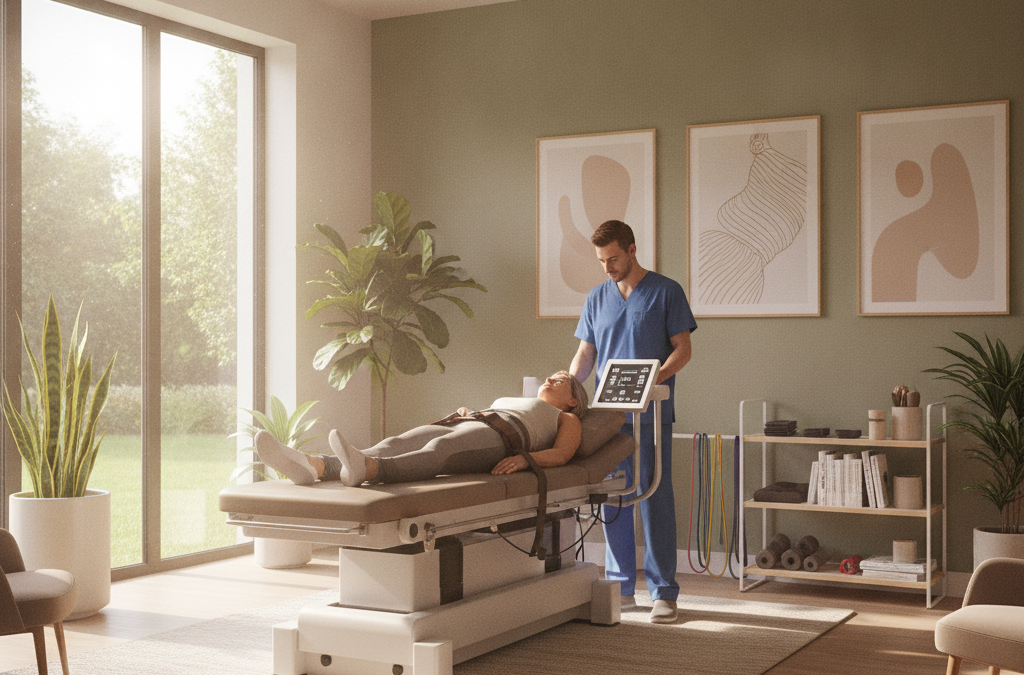
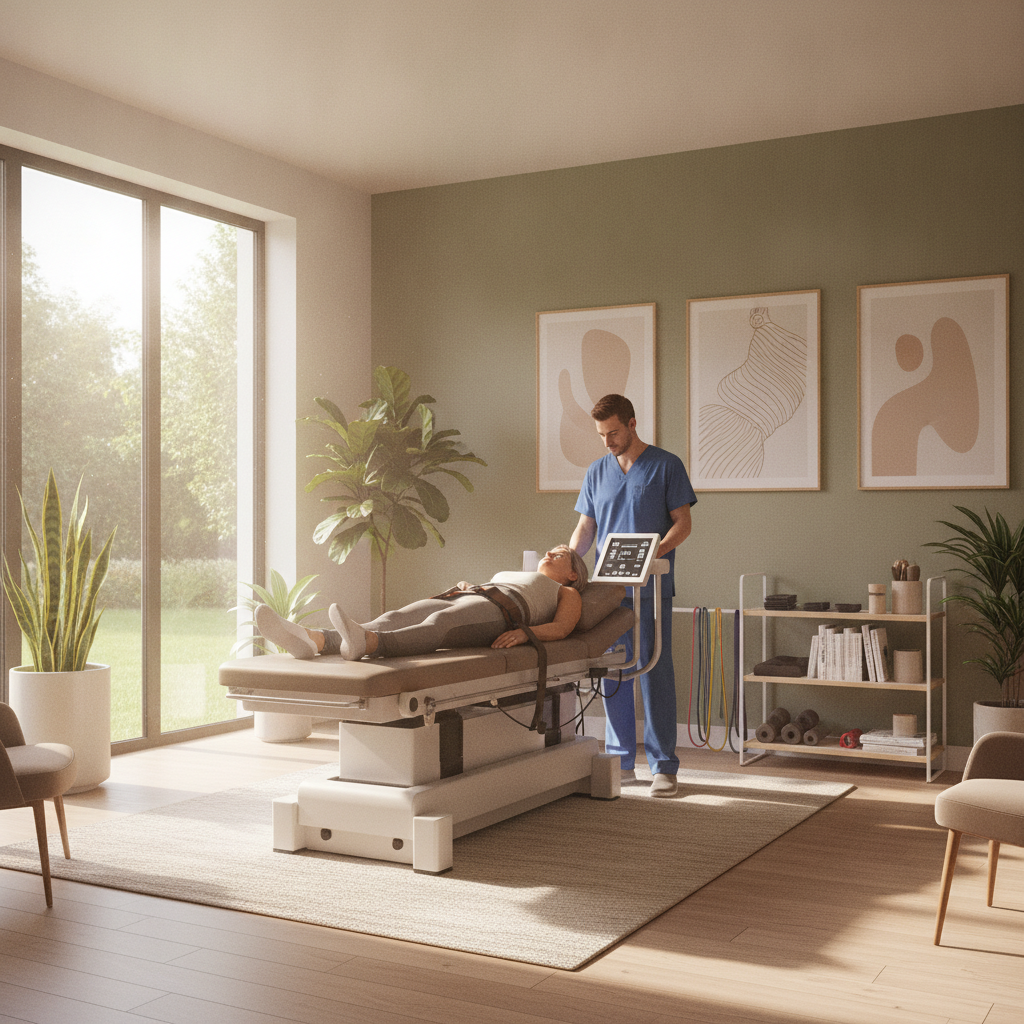
If you’re considering spinal decompression therapy, it’s natural to wonder what the experience will be like. Sessions typically take place in a comfortable clinic setting. You’ll be asked to lie on a specialized table, and a harness will be gently secured around your hips or chest, depending on the area being treated.
The table is connected to a computer that controls the traction force, ensuring a gradual and controlled stretch. Most sessions last between 20 and 45 minutes. Patients often describe the sensation as a gentle pulling or stretching in the spine. There is usually no pain, and many people find the treatment relaxing.
A typical course of therapy involves multiple sessions over several weeks. Your provider will tailor the frequency and duration to your specific needs and response to treatment. After the session, you may be advised to rest briefly before resuming normal activities.
Comparing Spinal Decompression to Other Therapies
When it comes to managing degenerative disc disease, there are several treatment options available. Spinal decompression stands out as a non-invasive alternative to surgery and long-term medication. But how does it compare to other common therapies?
| Therapy | Invasiveness | Recovery Time | Typical Use |
|---|---|---|---|
| Spinal Decompression | Non-invasive | No downtime | DDD, herniated discs, sciatica |
| Physical Therapy | Non-invasive | No downtime | Muscle strengthening, flexibility |
| Medication | Non-invasive | Immediate effect | Pain management |
| Surgery | Invasive | Weeks to months | Severe or unresponsive cases |
As the table shows, spinal decompression offers a non-invasive, low-risk option that fits well with busy lifestyles. It can be integrated with other therapies for a well-rounded approach to managing DDD.
Who Is a Good Candidate for Spinal Decompression?
Spinal decompression therapy is suitable for many people experiencing chronic back pain due to degenerative disc disease. Ideal candidates are those who have not found relief with conservative treatments like rest, medication, or physical therapy, but who wish to avoid surgery. It’s particularly appealing for individuals who want to stay active in their careers and personal lives without the risks associated with invasive procedures.
However, not everyone is a candidate. People with certain conditions, such as spinal fractures, tumors, advanced osteoporosis, or metal implants in the spine, may not be eligible for decompression therapy. A thorough evaluation by a qualified provider is essential to determine if this approach is right for you.
If you’re unsure whether you qualify, consider scheduling a consultation in the region to discuss your specific needs and medical history.
What Results Can You Expect from Spinal Decompression?
Results from spinal decompression therapy can vary based on the severity of disc degeneration, overall health, and adherence to a recommended care plan. Many patients experience a gradual reduction in pain and improved mobility over the course of several sessions. Some notice relief after just a few visits, while others may require a longer course of treatment.
It’s important to have realistic expectations. Spinal decompression is not a cure for degenerative disc disease, but it can significantly improve quality of life and help manage symptoms. Combining decompression with lifestyle changes, exercise, and ergonomic adjustments often leads to the best outcomes.
Regular follow-up and maintenance sessions may be recommended to sustain results, especially for those with physically demanding jobs or active lifestyles.
Tips for Maximizing the Benefits of Spinal Decompression
To get the most out of spinal decompression therapy, it’s helpful to take a proactive approach to your overall spinal health. Here are some practical tips:
- Stay hydrated to support disc health and flexibility.
- Engage in low-impact exercises like walking, swimming, or yoga to maintain mobility.
- Use ergonomic furniture and proper posture at work, especially if you spend long hours at a desk.
- Follow your provider’s recommendations for home stretches and strengthening exercises.
- Avoid heavy lifting or sudden twisting motions that can strain the spine.
By combining these habits with regular decompression sessions, you can help protect your spine and reduce the risk of future flare-ups.
Choosing a Provider in West Des Moines
Finding the right provider is key to a successful spinal decompression experience. In West Des Moines, look for clinics with experienced practitioners, modern equipment, and a patient-centered approach. Ask about their experience treating degenerative disc disease, and don’t hesitate to request testimonials or references from other patients in the community.
A good provider will take the time to assess your unique needs, explain the therapy in detail, and develop a personalized treatment plan. They should also be open to collaborating with other healthcare professionals to ensure comprehensive care.
Remember, your comfort and confidence in your provider are just as important as the therapy itself. Take the time to ask questions and make sure you feel supported throughout your care journey.
Final Thoughts
Degenerative disc disease doesn’t have to mean giving up the activities you love or living with constant pain. Spinal decompression therapy offers a promising, non-surgical option for managing symptoms and supporting spinal health. By understanding how the therapy works, what to expect, and how to maximize its benefits, you can make informed decisions about your care. Whether you’re a business owner, developer, or anyone seeking relief, exploring spinal decompression in this city could be a step toward a more active, comfortable life. As always, consult with a qualified provider to determine the best approach for your unique situation and take charge of your spinal health with confidence.