Living with a herniated disc can be a daily struggle, impacting everything from work performance to enjoying time with family. For small business owners, developers, and everyday residents, persistent back pain and limited mobility can make even simple tasks feel overwhelming. Fortunately, Spinal Decompression Therapy West Des Moines IA offers a non-surgical, drug-free approach to help support recovery and restore quality of life. By gently relieving pressure on spinal discs, this innovative therapy aims to address the root cause of discomfort, rather than just masking symptoms. In this article, we’ll explore how spinal decompression therapy works, why it’s gaining popularity among those with herniated discs, and what you can expect if you’re considering this treatment in the area. Whether you’re seeking alternatives to surgery or simply want to understand your options for lasting relief, read on to discover how spinal decompression could be the missing link in your recovery journey.
Understanding Herniated Discs and Their Impact
A herniated disc occurs when the soft, gel-like center of a spinal disc pushes through a tear in its tougher exterior. This can result from a sudden injury or develop gradually due to wear and tear. The displaced disc material may press on nearby nerves, causing pain, numbness, tingling, or weakness in the back, legs, or arms. For many, these symptoms can be debilitating, affecting productivity and overall well-being.
The spine’s discs act as shock absorbers between the vertebrae, allowing flexibility and movement. When a disc herniates, the loss of cushioning and increased nerve pressure can severely limit mobility. Everyday activities like lifting, bending, or even sitting for extended periods can trigger discomfort. Over time, chronic pain may lead to sleep disturbances, mood changes, and a reluctance to participate in social or work-related events.
Traditional treatments for herniated discs often include rest, physical therapy, pain medications, or, in severe cases, surgery. However, not everyone responds well to these options. Some seek alternatives that address the underlying cause of nerve compression without the risks or downtime associated with invasive procedures. This is where spinal decompression therapy comes into play, offering hope for those eager to reclaim their active lifestyles.
If you’re searching for a local provider who specializes in this approach, Complete Wellness Chiropractic is a trusted name in the region, known for helping individuals find relief through personalized care plans.
How Spinal Decompression Therapy Works
Spinal decompression therapy is a non-surgical treatment designed to gently stretch the spine, creating negative pressure within the discs. This process encourages herniated or bulging disc material to retract, relieving pressure on nerves and promoting the movement of oxygen, water, and nutrients into the disc. The therapy is typically performed using a specialized table controlled by a computer, allowing for precise adjustments tailored to each patient’s needs.
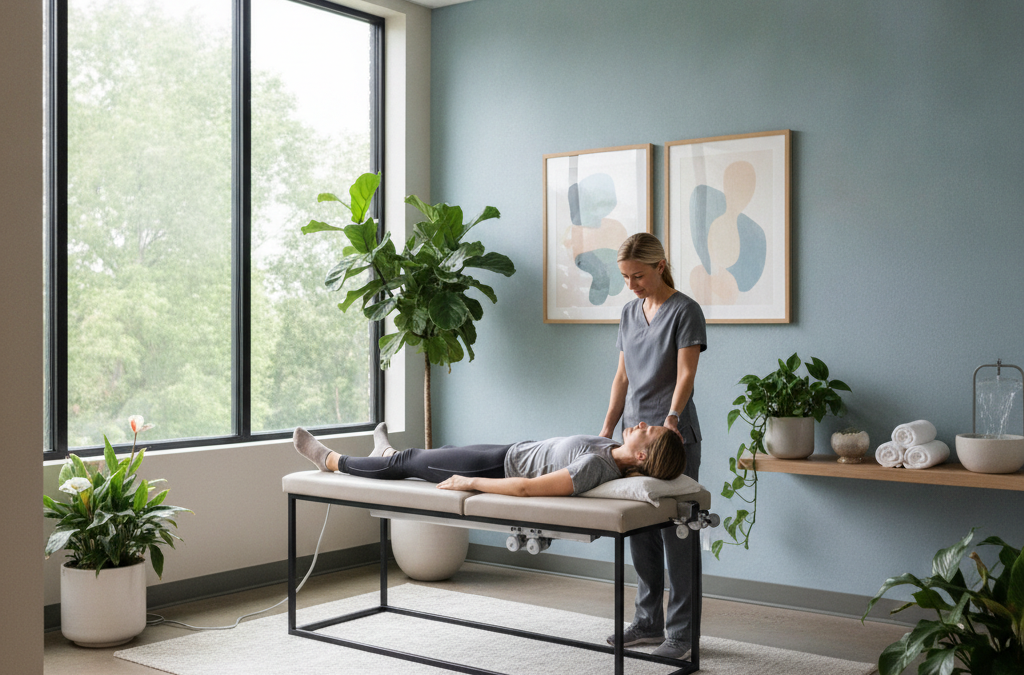
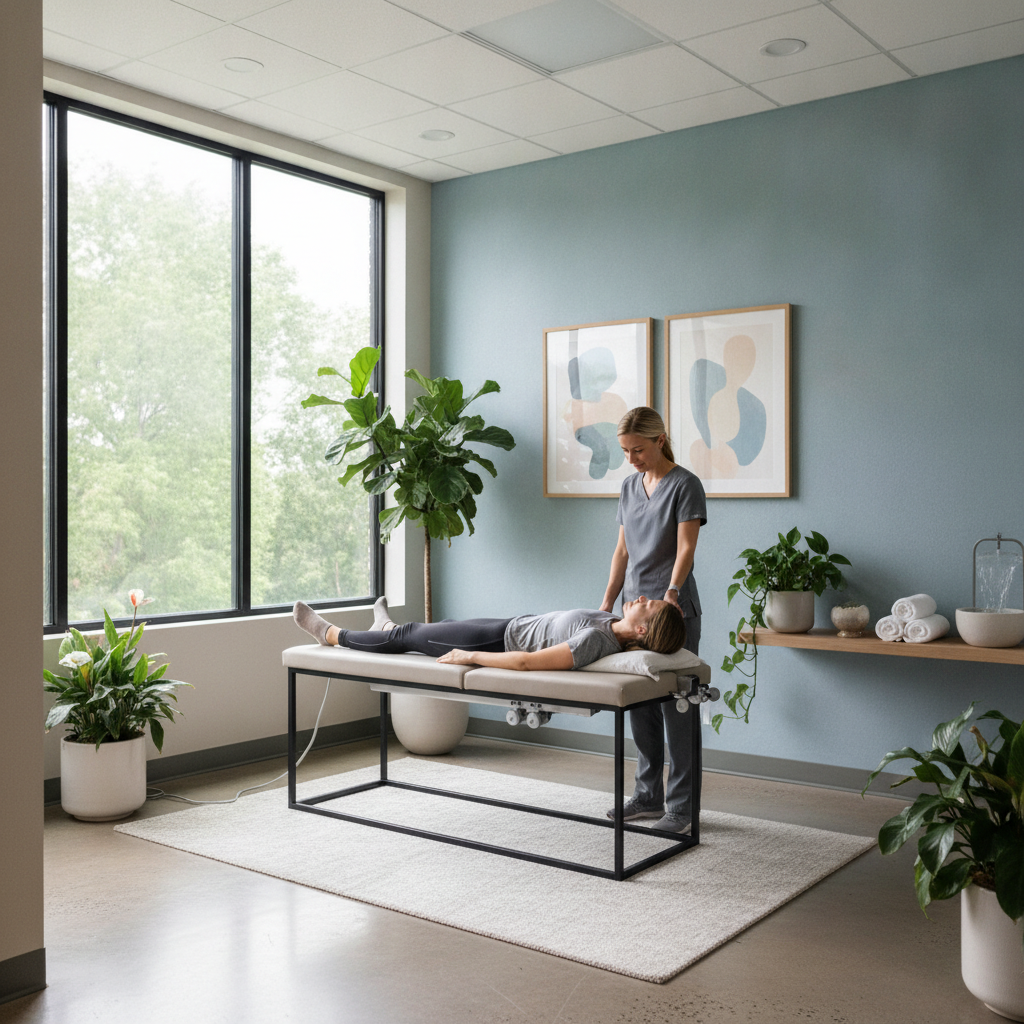
During a session, patients lie comfortably while the machine slowly and safely applies traction to the spine. Each session lasts about 20 to 45 minutes, depending on the treatment plan. Most people experience a gentle stretching sensation, and many find the process relaxing. Over a series of sessions, the goal is to reduce disc bulging, decrease inflammation, and support the body’s natural healing processes.
Unlike traditional traction, spinal decompression therapy uses advanced technology to cycle between periods of stretching and relaxation. This approach minimizes muscle guarding and enhances the effectiveness of each session. By addressing the mechanical and nutritional aspects of disc health, decompression therapy aims to provide long-term relief rather than just a temporary fix.
Patients often report improvements in pain, mobility, and overall function after completing a recommended series of treatments. For those who have tried other therapies without success, spinal decompression offers a promising alternative that targets the source of their discomfort.
Benefits of Non-Surgical Spinal Decompression
One of the primary advantages of spinal decompression therapy is its non-invasive nature. Unlike surgery, there are no incisions, anesthesia, or lengthy recovery periods. This makes it an appealing option for individuals who want to avoid the risks and downtime associated with surgical interventions.
Another benefit is the therapy’s ability to address the root cause of herniated disc symptoms. By relieving pressure on the affected disc and surrounding nerves, decompression therapy can reduce pain, numbness, and tingling. Patients often notice improved flexibility and range of motion, making it easier to return to work, exercise, or daily activities.
Spinal decompression is also customizable. Treatment plans are tailored to each individual’s condition, severity of symptoms, and overall health goals. This personalized approach helps maximize results and ensures that therapy is both safe and effective. Additionally, decompression can be combined with other modalities, such as chiropractic adjustments or physical therapy, to further enhance recovery.
For many, the biggest benefit is the opportunity to heal naturally, without relying on medications that may have unwanted side effects. By supporting the body’s inherent ability to repair itself, spinal decompression empowers patients to take an active role in their recovery journey.
Who Is a Good Candidate for Decompression Therapy?
While spinal decompression therapy can be highly effective, it’s not suitable for everyone. Ideal candidates are typically individuals with herniated or bulging discs, degenerative disc disease, sciatica, or chronic back pain that has not responded to other conservative treatments. People who experience pain, numbness, or weakness due to nerve compression may benefit from this approach.
However, certain conditions may preclude someone from undergoing decompression therapy. These include severe osteoporosis, spinal fractures, tumors, advanced spinal instability, or recent spinal surgery. Pregnant women are generally advised against this therapy as well. A thorough evaluation by a qualified healthcare provider is essential to determine if decompression is appropriate for your specific situation.
During an initial consultation, your provider will review your medical history, conduct a physical examination, and may order imaging studies to assess the extent of disc damage. This comprehensive assessment ensures that you receive the safest and most effective care possible.
If you’re unsure whether you’re a candidate, don’t hesitate to ask questions and discuss your concerns with a local specialist. Open communication is key to developing a treatment plan that aligns with your goals and expectations.
What to Expect During Your First Visit
Starting spinal decompression therapy can feel daunting if you’re not sure what to expect. Typically, your first visit will involve a detailed consultation and assessment. Your provider will ask about your symptoms, medical history, and any previous treatments you’ve tried. This information helps them understand your unique needs and determine if decompression is the right choice.
You may undergo a physical exam and, if necessary, imaging tests like X-rays or MRI scans. These tools help pinpoint the location and severity of your herniated disc. Once your provider confirms that spinal decompression is appropriate, they’ll explain the treatment process, answer your questions, and outline a personalized care plan.
During your first therapy session, you’ll be positioned comfortably on the decompression table. The machine will be adjusted to target the specific area of your spine that needs attention. Most people find the experience relaxing, with minimal discomfort. After the session, your provider may recommend gentle stretches or exercises to support your progress.
It’s normal to feel some mild soreness after initial treatments, similar to what you might experience after a new workout. This usually subsides as your body adapts to the therapy. Open communication with your provider ensures that any concerns are addressed promptly, helping you feel confident and supported throughout your recovery journey.
The Science Behind Spinal Decompression’s Effectiveness
Spinal decompression therapy is grounded in biomechanical principles and clinical research. By creating negative intradiscal pressure, the therapy encourages retraction of herniated disc material and enhances nutrient exchange. This process can help reduce inflammation, promote disc hydration, and accelerate tissue repair.
Numerous studies have explored the benefits of decompression therapy for individuals with herniated discs. While outcomes vary, many patients report significant improvements in pain, function, and quality of life after completing a series of treatments. The therapy’s non-invasive nature and low risk profile make it an appealing option for those seeking alternatives to surgery or long-term medication use.
It’s important to note that spinal decompression is not a one-size-fits-all solution. Success depends on factors such as the severity of disc herniation, the presence of other spinal conditions, and the patient’s adherence to the recommended treatment plan. Regular follow-up and communication with your provider are essential for maximizing results.
For those living in the area, access to advanced decompression technology and experienced providers means you can pursue evidence-based care close to home. This convenience supports consistent attendance and better long-term outcomes.
Integrating Decompression with Lifestyle Changes
While spinal decompression therapy can provide significant relief, lasting recovery often requires a holistic approach. Integrating lifestyle changes alongside therapy can help prevent future disc problems and support overall spinal health. Simple adjustments, such as improving posture, maintaining a healthy weight, and engaging in regular exercise, can make a big difference.
Ergonomic modifications at work and home, like using supportive chairs, adjusting computer screens, and taking frequent breaks, can reduce strain on your spine. Incorporating core-strengthening exercises helps stabilize the back and minimize the risk of re-injury. Your provider may recommend specific stretches or activities tailored to your needs.
Nutrition also plays a role in disc health. Staying hydrated and eating a balanced diet rich in anti-inflammatory foods can support the body’s healing processes. Avoiding tobacco and managing stress further contribute to a healthier spine.
By combining decompression therapy with positive lifestyle changes, you can enhance your body’s ability to recover and maintain long-term spinal wellness. This proactive approach empowers you to take charge of your health and enjoy an active, pain-free life.
Comparing Spinal Decompression to Other Herniated Disc Treatments
When exploring options for herniated disc recovery, it’s helpful to compare spinal decompression therapy to other common treatments. Each approach has its own benefits and limitations, and the best choice depends on your individual needs and preferences.
Physical therapy focuses on strengthening muscles, improving flexibility, and teaching proper body mechanics. While effective for many, it may not always address the underlying disc compression. Medications can provide temporary pain relief but do not resolve the root cause and may have side effects with long-term use. Injections, such as epidural steroids, can reduce inflammation but are generally reserved for severe cases and offer short-term benefits.
Surgery is considered when conservative measures fail or if there is significant nerve damage. While surgical intervention can be effective, it carries risks such as infection, scarring, and extended recovery time. In contrast, spinal decompression therapy is non-invasive, low-risk, and aims to restore disc function naturally.
The table below summarizes key differences between these treatment options to help you make an informed decision.
| Treatment | Invasiveness | Recovery Time | Addresses Root Cause? | Potential Side Effects |
|---|---|---|---|---|
| Spinal Decompression Therapy | Non-invasive | Minimal | Yes | Mild soreness |
| Physical Therapy | Non-invasive | Minimal | Partially | Muscle fatigue |
| Medication | Non-invasive | None | No | Side effects, dependency |
| Injections | Minimally invasive | Short | No | Infection, pain at site |
| Surgery | Invasive | Weeks to months | Yes | Infection, scarring |
Consulting with a knowledgeable provider helps you weigh the pros and cons of each option and choose the path that best fits your lifestyle and recovery goals.
Personal Stories and Recovery Experiences
Hearing from others who have undergone spinal decompression therapy can provide valuable insight and encouragement. Many individuals report a significant reduction in pain and an improved ability to participate in everyday activities after completing their treatment plans. For small business owners and professionals, regaining mobility means returning to work with renewed confidence and energy.
Some patients describe the therapy as life-changing, noting that they were able to avoid surgery and reduce their reliance on pain medications. Others appreciate the supportive environment and the personalized care they received from their providers. These success stories highlight the potential of spinal decompression to make a real difference in people’s lives.
Of course, every recovery journey is unique. Factors such as age, overall health, and the severity of the herniation can influence outcomes. Open communication with your provider and adherence to the recommended treatment plan are key to achieving the best possible results.
If you’re considering spinal decompression therapy, connecting with others who have gone through the process can offer reassurance and practical tips for navigating your own recovery.
Choosing a Provider in West Des Moines
Finding the right provider is an important step in your spinal decompression journey. Look for clinics with experienced practitioners who specialize in non-surgical spinal care. A reputable provider will take the time to listen to your concerns, perform a thorough assessment, and develop a treatment plan tailored to your needs.
Consider factors such as the clinic’s reputation, the technology they use, and their approach to patient education. Many providers in this community offer complimentary consultations, allowing you to ask questions and learn more about the therapy before committing to a plan. Don’t hesitate to inquire about their experience with herniated disc cases and their success rates.
Convenience and accessibility are also important. Choose a provider located near your home or workplace to make it easier to attend regular sessions. This consistency is key to achieving optimal results and maintaining your progress over time.
Ultimately, trust your instincts and select a provider who makes you feel comfortable, respected, and empowered to take an active role in your recovery.
Final Thoughts
Spinal decompression therapy represents a promising option for individuals seeking relief from herniated disc pain without surgery or long-term medication use. By targeting the underlying cause of discomfort and supporting the body’s natural healing processes, this therapy offers hope for lasting recovery and improved quality of life. Whether you’re a small business owner, developer, or active member of the community, regaining your mobility and comfort can have a profound impact on your daily experience.
If you’re considering spinal decompression in West Des Moines or the surrounding area, take the time to research providers, ask questions, and explore how this innovative therapy could fit into your recovery plan. With the right support and a proactive approach, you can move forward with confidence and enjoy the activities you love once again.